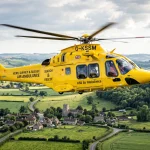
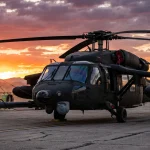
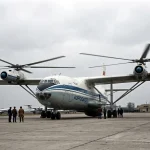
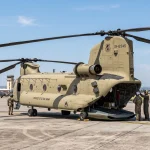
Did you know that most helicopters can fly between 250 to 400 miles on a single tank of fuel? Understanding a helicopter’s range is crucial for pilots, operators, and aviation enthusiasts alike. It impacts everything from mission planning in emergency services to scenic tours and cargo transport. Whether you’re curious about how distance affects safety, fuel efficiency, or operational capabilities, this guide will explore the factors that influence a helicopter’s range. By delving into the technical aspects, we will provide insights that resonate with both aspiring pilots and casual hobbyists. Ready to uncover the fascinating world of helicopter flight distances? Let’s take off!
What Determines a Helicopter’s Range?
The range of a helicopter is influenced by a complex interplay of technical specifications, environmental conditions, and operational factors. Key determinants include the helicopter’s design, engine power, fuel capacity, and the efficiency of its rotor system. For instance, helicopters with larger fuel tanks or more efficient engines can cover greater distances. Performance metrics such as weight capacity and aerodynamics also critically affect how far a helicopter can fly without refueling.
Fuel Capacity and Efficiency
The fuel capacity of a helicopter directly impacts its range. Larger helicopters, designed for extended missions, typically come with enhanced fuel storage capabilities. However, fuel efficiency plays a crucial role in translating fuel volume into flight distance. Advanced rotor designs and optimized engine technology can significantly reduce fuel consumption, allowing helicopters to fly further on the same amount of fuel.
Weight and Payload
The helicopter’s load significantly influences its range. Heavier payloads require more power, leading to increased fuel consumption and potentially reducing range. Pilots must carefully manage weight, balancing the need for cargo and passengers with the safe operational limits of the aircraft. Understanding the relationship between weight, power output, and fuel efficiency is essential for effective flight planning.
Weather and External Conditions
Weather dramatically affects helicopter performance and range. Factors such as wind, temperature, and humidity can either enhance or hinder flight capabilities. For example, strong headwinds can reduce speed and increase fuel usage, whereas favorable tailwinds can augment range by allowing the helicopter to cover more ground with less effort. Pilots must assess weather forecasts and adjust flight plans accordingly to optimize performance.
By considering these factors-fuel capacity and efficiency, weight and payload, and the influence of weather-pilots and operators can better understand a helicopter’s range capabilities, ensuring safer and more efficient flights.
Types of Helicopters and Their Distance Capabilities
The diversity of helicopter types contributes significantly to their range capabilities, tailoring them to various missions and operational needs. From light utility helicopters to heavy-lift transports, each design serves a specific purpose, and their range can vary accordingly. Understanding these classifications can illuminate how far individual helicopters can travel and what factors enhance or limit their distances.
Light Utility Helicopters
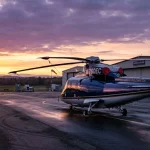
Light utility helicopters, such as the Bell 206 or Eurocopter EC120, are renowned for their versatility and agility. These helicopters generally have a maximum range of approximately 300 to 500 miles, depending on their fuel capacity and load. Their smaller size and lighter weight often result in higher fuel efficiency, allowing them to serve in roles ranging from search and rescue to aerial tours. For example, the Bell 206, a favorite among many operators, boasts a range of around 350 miles, making it ideal for local operations without the burden of extensive payloads.
Medium-Lift Helicopters
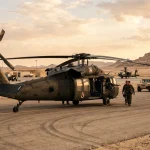
Medium-lift helicopters, like the Sikorsky S-70 Black Hawk or the Eurocopter AS532 Cougar, are designed for a balance between range and payload capacity. These helicopters can typically achieve a range of up to 600 miles. Their enhanced capabilities allow them to transport larger groups of personnel or equipment, making them invaluable in military operations or disaster response scenarios. The Sikorsky S-70, for example, can fly approximately 360 nautical miles while carrying out critical missions in varied environments.
Heavy-Lift Helicopters
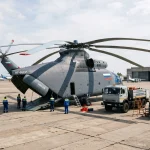
Heavy-lift helicopters, such as the CH-53E Super Stallion and the Sikorsky CH-54 Tarhe, are powerful machines designed for lifting substantial loads. While they can carry significant weight-up to 30,000 pounds or more-this capacity often comes at the cost of range. These helicopters tend to have a maximum range of around 500 miles, as their larger airframes and engines consume more fuel. For example, the CH-53E, despite its impressive capabilities for moving cargo and equipment, generally achieves ranges near 600 miles, demonstrating how design prioritization affects performance.
Factors That Impact Range
Understanding the distance capabilities of different helicopter types is vital not only for operators but also for aspiring pilots and aviation enthusiasts. Key factors influencing these ranges include:
- Fuel Capacity: Larger helicopters often have bigger fuel tanks, directly impacting range.
- Engine Efficiency: Advanced rotor and engine technologies can enhance fuel economy.
- Payload Weight: Heavier loads increase fuel consumption, affecting range negatively.
- Environmental Conditions: Weather patterns such as wind and temperature can either facilitate or hinder flight distance.
By recognizing these aspects, candidates pursuing a career in aviation can gain insights into helicopter operations while also laying the groundwork for informed decisions regarding future advancements in flight technology. Understanding how various helicopter types maximize their distance capabilities can guide training and operational planning, ultimately leading to improved safety and efficiency in helicopter missions.
Exploring Factors Affecting Helicopter Flight Range
The performance and efficiency of a helicopter depend on a multitude of factors, making the understanding of flight range an essential aspect for operators and enthusiasts alike. One striking fact is that every helicopter operates within a unique envelope of capabilities, influenced by both inherent design features and external conditions. By dissecting the factors that affect flight distance, we can gain a clearer picture of how and why some helicopters excel in certain missions while others may fall short.
Key Influencing Factors
When assessing a helicopter’s range, several critical aspects come into play:
- Fuel Capacity: The amount of fuel a helicopter can carry is central to its range. Larger helicopters with greater fuel storage can travel further. For example, a heavy-lift helicopter designed for long transport missions will often have larger fuel tanks compared to lighter models that perform shorter, agility-focused operational tasks.
- Engine Efficiency: Advances in engine design play a crucial role in fuel consumption rates. High-efficiency engines, equipped with sophisticated rotor systems, allow helicopters to burn less fuel per mile. This directly translates into an extended range, especially for long-distance missions.
- Payload Weight: The weight of the cargo dramatically impacts the helicopter’s overall performance. As payload increases, fuel efficiency typically decreases due to the extra power needed for lift and sustained flight. Operators must meticulously calculate their load to avoid compromising the helicopter’s range.
- Environmental Conditions: Weather can dramatically influence flight operations. Favorable wind conditions, temperature, and atmospheric pressure can enhance helicopter range, while adverse weather can consume additional fuel or limit capabilities. For example, flying with a tailwind can extend range, whereas headwinds can shorten it significantly.
Practical Implications for Operators
Understanding these elements is crucial for helicopter operators and those aspiring to enter the field. For instance, during a mission planning stage, evaluating payload limitations relative to the targeted distance can ensure that operators optimize their helicopter’s capabilities. Similarly, adjustments for weather conditions should form a part of pre-flight checks to ensure all operational safety standards are met.
For aspiring pilots, grasping these factors enhances their training and decision-making processes. By learning to assess each element’s influence, they can prepare for real-world scenarios that helicopters frequently encounter. Furthermore, knowledge about fuel efficiency and the intricacies of lift versus weight dynamics provides a solid foundation for future advancements in helicopter design and technology, ensuring safety and efficiency in the skies.
This multifaceted approach equips readers with an enriched comprehension of flight range, allowing exploration into innovative solutions that fulfill varying operational needs in the aviation industry.
Fuel Efficiency: How It Impacts Distance
Fuel efficiency plays a pivotal role in a helicopter’s flight range, shaping not only how far it can travel but also the missions it can undertake. A helicopter’s ability to cover greater distances while conserving fuel is a testament to advancements in engineering and design. For instance, modern helicopters equipped with composite rotor blades and advanced propulsion systems can achieve significantly improved fuel efficiency, allowing them to extend their operational radius without necessitating larger fuel tanks.
The relationship between fuel efficiency and distance is not just a matter of numbers; it’s about maximizing potential. For helicopter operators, understanding how to optimize fuel use can mean the difference between completing a mission successfully or returning prematurely due to fuel constraints. There are key strategies to enhance fuel efficiency, such as:
- Flight Profiles: Utilizing optimal flight profiles, including speed and altitude adjustments, can reduce drag and improve overall efficiency. Pilots who are well-versed in these techniques can significantly extend their helicopters’ range.
- Weight Management: Minimizing excess weight through careful payload calculations can lead to better fuel consumption. Helicopters taking off with only necessary gear can improve their distance capabilities considerably.
- Routine Maintenance: Regular maintenance ensures that engines are running at peak performance, which directly affects fuel efficiency. Helicopter operators should prioritize preventative measures to avoid performance issues that can waste fuel.
Moreover, the evolution of turbine engines has been a game-changer for many helicopter models. These engines are not only lighter but also optimized for better fuel consumption than their predecessors. Breakthroughs in technology allow for dual-use helicopters-those that can efficiently transport passengers while also being capable of longer-range missions. For example, helicopters like the Bell 407GX, known for its fuel-efficient engine and advanced avionics, have gained popularity in emergency medical services, where range is critical.
Finally, being aware of the environmental implications of fuel efficiency can spark greater interest among aspiring aviators and seasoned professionals alike. As the aviation industry increasingly focuses on sustainability, innovations aimed at reducing fuel consumption will likely become standard practice. This creates an exciting landscape for those considering a career in aviation, as the pursuit of greener flight solutions opens new avenues for research, development, and pilots’ operational strategies. Fuel efficiency is not merely about minimizing costs-it’s about empowering helicopters to reach new heights, literally and figuratively.
Real-World Range Comparisons of Popular Models
Many helicopter enthusiasts and operators often wonder just how far their aircraft can truly fly before requiring a refuel. The range of a helicopter varies widely among different models, shaped by factors like fuel capacity, engine efficiency, and mission purpose. For instance, the Bell 206 Jet Ranger boasts a range of approximately 400 nautical miles, making it well-suited for a variety of missions from corporate transportation to aerial photography. In contrast, the Sikorsky UH-60 Black Hawk, a military workhorse, has a range of about 600 nautical miles, designed for troop transport and tactical operations in diverse environments.
Comparing Popular Helicopter Models
When comparing between commercial and utility helicopters, ranges can be surprisingly similar. The Eurocopter EC175, often used in offshore oil and gas operations, has a maximum range of around 500 nautical miles due to its advanced design and fuel-efficient engines. Meanwhile, light utility helicopters like the Robinson R44 have a more limited reach, roughly 300 nautical miles, but they excel in versatility and operational costs, making them ideal for private use and law enforcement.
| Helicopter Model | Range (Nautical Miles) | Primary Use |
|---|---|---|
| Bell 206 Jet Ranger | 400 | Corporate, Aerial Photography |
| Sikorsky UH-60 Black Hawk | 600 | Military Transport |
| Eurocopter EC175 | 500 | Offshore Operations |
| Robinson R44 | 300 | Private, Law Enforcement |
For aspiring pilots and aviation enthusiasts alike, understanding these nuances in range capabilities not only informs purchasing decisions but also enhances mission planning and execution. Whether operating in urban settings or rural landscapes, knowing the operational limits of each helicopter model can mean the difference between success and complications during a flight. As technology advances, the variations in range will likely continue to develop, offering new possibilities for diverse aviation needs.
The Influence of Weather on Helicopter Range
Helicopters are remarkable machines, capable of navigating a variety of environments and conditions. However, the range of these flying wonders can be significantly influenced by the weather. Factors such as wind speed, visibility, temperature, and precipitation play a crucial role in determining how far a helicopter can efficiently travel before needing to refuel or recharge.
Wind Conditions
Wind can be both a friend and foe to helicopter operators. For instance, a strong headwind may reduce the effective range by pushing the helicopter back during flight, consuming more fuel and extending the duration of the journey. Conversely, a tailwind can assist in covering distance faster and more efficiently. Pilots must remain vigilant about weather forecasts, adjusting their flight plans accordingly to mitigate the impacts of unfavorable winds.
Visibility and Weather Variability
Visibility is another crucial factor influencing flight operations. In low visibility conditions such as fog, rain, or snow, helicopter pilots may need to scale back their missions to maintain safety, often resulting in shorter flights. The ability to navigate or perform maneuvers is compromised when visual references are minimal. Additionally, rapid changes in weather, such as thunderstorms, can force an immediate retreat or change of course, impacting the planned range.
Temperature Effects
Temperature can have complex effects on helicopter performance. For example, high altitudes often mean lower air density, which can affect lift and engine performance. In colder weather, helicopters generally perform better than in hot conditions, where engine power may be compromised due to increased demands for lift. Pilots must account for these variables during flight planning to ensure they can safely achieve their intended range.
Practical Considerations
Ultimately, for pilots and operators, understanding the nuances of how weather influences helicopter range is critical for effective mission planning. Regularly monitoring conditions and being adaptable to changing weather patterns can ensure safety and efficiency in operations. Whether you’re an aspiring helicopter pilot or a seasoned aviation enthusiast, being aware of these factors not only enhances operational safety but also contributes to overall flight proficiency.
How Load and Weight Impact Helicopter Range
The performance and efficiency of helicopters can be significantly affected by the weight they carry, often determining how far they can travel before needing to refuel. Helicopter manufacturers specify a maximum takeoff weight (MTOW), which includes the weight of the aircraft itself, fuel, passengers, and any cargo. Understanding the implications of load and weight is crucial for pilots and operators, as exceeding these limits can lead to a decrease in range and even compromise safety.
Understanding Weight Limits
Helicopters operate within strict weight parameters. When a helicopter is loaded near its maximum capacity, its ability to maintain lift diminishes. This is because additional weight requires more power from the engine to achieve the necessary lift, which can lead to a reduction in range. Pilots must carefully calculate their planned load against the helicopter’s capabilities to optimize performance. Here are some crucial factors:
- Payload Capacity: Different models have different payload abilities. Knowing the specifications helps in planning missions effectively.
- Fuel Load: The amount of fuel influences overall range. Carrying more fuel often means less payload capacity.
- Operational Efficiency: Using weight management strategies, such as limiting fuel to only what’s necessary, can improve overall range.
Practical Examples
Consider a helicopter with an MTOW of 5,500 pounds. If it is loaded with 1,000 pounds of cargo and 1,500 pounds of fuel, there is a remaining payload capacity of 3,000 pounds available for passengers and additional cargo. However, if the load exceeds the maximum limits, the helicopter may struggle to gain altitude, and its range will be reduced due to increased fuel consumption. For instance, a relevant case study of the Sikorsky S-76 showed that it could achieve a range of approximately 400 nautical miles carrying a standard load, but with heavier loads, this range could drop significantly due to the added strain on the helicopter’s engines.
Strategies for Optimization
To maximize the distance capabilities, pilots should consider the following strategies:
- Weight Reduction: Choose lighter equipment and limit unnecessary cargo.
- Fuel Management: Only carry the fuel required for the mission, and refuel when necessary to maintain load limits.
- Flight Planning: Anticipate landing zones and ensure that the load permits a safe return.
In conclusion, effective management of load and weight is essential for ensuring a helicopter’s optimal range. Awareness of how these factors interact can lead to safer and more efficient flight operations, empowering pilots to make well-informed decisions that extend their operational capabilities while maintaining safety and performance standards. Whether you’re an aspiring pilot or just curious about helicopter operations, grasping these dynamics enhances your understanding of the fascinating world of rotorcraft.
Helicopter Range vs. Flight Time: What’s the Difference?
Understanding the nuances between helicopter range and flight time is crucial for pilots and aviation enthusiasts alike. The two concepts, while interrelated, serve different purposes when planning a flight. Range refers to the maximum distance a helicopter can travel on a single tank of fuel, often measured in nautical miles or kilometers. In contrast, flight time indicates how long a helicopter can remain airborne before needing to refuel, typically expressed in hours and minutes.
One key factor influencing both range and flight time is fuel capacity. A helicopter with a larger fuel tank can generally fly longer distances, assuming it operates at an efficient speed. However, flight time can vary depending on several operational factors, such as weather conditions, pilot maneuvers, and weight management. For example, if a helicopter must fly through turbulent weather, it may use more fuel than expected, reducing both its range and flight time.
### Factors Affecting Range and Flight Time
Several factors impact how far and how long a helicopter can fly:
- Speed: Operating a helicopter at optimal speeds can maximize its range; however, flying at higher speeds often decreases flight time due to increased fuel consumption.
- Weight: Heavier loads necessitate more power, which can limit both range and flight time. Pilots must carefully calculate payload and fuel to ensure optimal performance.
- Weather Conditions: Adverse weather can lead to increased fuel consumption, affecting both how far the helicopter can travel and how long it can stay in the air.
### Real-World Examples
Consider a helicopter like the Bell 206, which has a range of around 400 nautical miles and can stay airborne for approximately 3 to 4 hours under ideal conditions. If pilot discretion leads to slower speeds in challenging weather, the helicopter might achieve a longer flight time but at the expense of range. Conversely, if it flies faster in clear conditions, the helicopter may reach its maximum range more quickly, resulting in less overall flight time.
In summary, while helicopter range and flight time are interconnected, they depend heavily on operational choices and external conditions. Pilots must be adept at understanding and balancing these factors to maximize both the distance flown and the duration in the air, ensuring efficient and safe flights.
Safety Considerations for Long-Distance Helicopter Flights
Planning for long-distance helicopter flights requires a thoughtful approach to safety, as several factors can influence the outcomes of such journeys. One of the most critical aspects is fuel management. Before embarking on a lengthy flight, it is essential to ensure that the helicopter has enough fuel not only for the trip but also for unexpected conditions, such as detours or holding patterns. Helicopters like the Sikorsky S-76, with a range of approximately 400 nautical miles, must be loaded with sufficient fuel to account for unpredicted variables like weather changes or mechanical issues that could arise en route.
Pre-Flight Planning
Effective pre-flight planning can significantly influence the safety of long-distance flights. Pilots should conduct thorough route assessments, taking into consideration not just the distance but also the terrain, potential landing spots, and available navigational aids. This process should involve:
- Weather Analysis: Conditions can change rapidly, and having accurate forecasts is crucial. Utilizing resources like METARs and TAFs can help pilots prepare for turbulence, wind shifts, and storms.
- Aircraft Readiness: A meticulous pre-flight inspection of the helicopter ensures that all systems are operational. This includes checking fuel levels, oil, and emergency equipment.
- Contingency Plans: Knowing emergency landing areas and how to deal with various flight scenarios, from technical failures to sudden weather changes, can dramatically increase safety margins.
The Human Factor
While technical considerations are vital, the human factor plays a significant role in flight safety. Pilot fatigue can be a critical concern, especially on longer flights. Proper scheduling, adhering to rest requirements, and planning breaks are necessary to maintain high levels of focus and responsiveness during flight operations. Aspiring pilots should also be aware of the psychological impacts of stress and decision-making during emergencies. Participating in flight safety courses or simulator training can prepare pilots for these challenges, ensuring they are equipped to handle unexpected situations effectively.
Case Studies of Long-Distance Helicopter Incidents
Reflecting on past incidents can provide valuable lessons. For example, during the tragic 2019 crash of a helicopter in New York City, a series of factors, including sudden weather shifts and mechanical failure, contributed to the accident. This incident highlights the importance of not only having emergency protocols in place but also continuously prioritizing safety checks and adjustments in response to changing conditions. By learning from such events, current and future pilots can better understand the integral connection between preparation, situational awareness, and the overall safety of long-distance helicopter operations.
In essence, a balanced approach that incorporates technical readiness, human factors, and thorough planning is essential for safe long-distance helicopter flights. As aviation continues to evolve, remaining informed about safety advancements and best practices will empower pilots and enthusiasts alike to navigate the skies confidently.
Future Innovations in Helicopter Range Technology
As the demand for versatile aerial transportation grows, innovations in helicopter range technology are rapidly advancing. Enhanced materials, improved aerodynamics, and cutting-edge propulsion systems are paving the way for helicopters with extended range capabilities. For instance, manufacturers are increasingly employing lightweight composite materials that enhance fuel efficiency, allowing helicopters to achieve longer distances without significantly increasing weight. These advancements enable models like the Bell 525 Relentless, which features innovative rotor designs and advanced avionics, to cover about 600 nautical miles in optimal conditions.
Battery Technology and Hybrid Systems
One of the most exciting developments comes from the integration of electric and hybrid propulsion systems. These technologies promise to reduce the reliance on traditional fossil fuels, expanding the operational envelope of helicopters. With emerging battery technologies, helicopters can potentially not only decrease their carbon footprint but also increase their range and flexibility. For example, companies like Joby Aviation are pioneering electric vertical takeoff and landing (eVTOL) aircraft, which utilize battery power for energy-efficient flight, allowing for quieter and more sustainable operations in urban environments.
Smart Systems for Efficiency
Additionally, the incorporation of smart technologies plays a crucial role in enhancing flight range. Real-time data analytics, fuel management systems, and automated flight controls can optimize flight paths and adjust fuel consumption dynamically. These systems provide pilots with valuable insights that help in making informed decisions during long-distance travel. Innovations such as predictive maintenance technology ensure that helicopters remain in peak operational condition, reducing the likelihood of mechanical failures that could compromise range.
Future Trends
Looking ahead, we can anticipate even bolder innovations. The research into hydrogen fuel cells offers another promising avenue for achieving greater distances. With zero emissions and the potential for rapid refueling, hydrogen-powered helicopters could redefine operational limits and open new markets in emergency services, medical transport, and longer-range corporate travel. As these technologies mature, aspiring pilots, engineers, and aviation enthusiasts will find themselves at the forefront of a revolution in helicopter flight capabilities.
In conclusion, the combination of advanced materials, hybrid technologies, smart systems, and sustainable practices will define the future of helicopter range, making them more efficient and versatile than ever before. As the industry continues to evolve, ensuring safety and enhancing performance will remain paramount, inspiring the next generation of aviation professionals.
Comparative Analysis: Helicopters vs. Fixed-Wing Aircraft
When it comes to aerial transportation, helicopters and fixed-wing aircraft each offer unique advantages and limitations in terms of range and operational capabilities. While fixed-wing airplanes often dominate the long-distance travel market with their higher speeds and extended ranges, helicopters bring their own set of benefits that make them invaluable for specific missions.
One major factor in determining range is the operational flexibility afforded by helicopters. Unlike fixed-wing aircraft that require runways for takeoff and landing, helicopters can operate from a variety of locations, including small clearings, rooftops, and offshore platforms. This unique capability allows them to effectively reach destinations where traditional airplanes cannot. For instance, during emergency medical flights, helicopters can land on rooftops of hospitals or remote sites, providing rapid medical assistance and transport.
For those aspiring to enter the aviation field, understanding the different capabilities is crucial not only for operational efficiency but also for career development. Helicopter pilots often require specialized training to handle the complexities of vertical flight, including rotor management and flight control in diverse environments. A fixed-wing pilot, on the other hand, focuses more on navigation, air traffic control communication, and runway operations. Both careers offer exciting opportunities, but they cater to different interests and skills.
Range Comparison
When considering range, fixed-wing aircraft typically outperform helicopters due to their aerodynamic design and higher cruising speeds. For example, popular commercial airplanes can travel distances exceeding 3,000 nautical miles, while most helicopters have a range that averages between 250 to 600 nautical miles. This substantial difference highlights the fixed-wing advantage in long-haul travel, making them ideal for intercity or cross-country flights.
| Aircraft Type | Average Range (Nautical Miles) | Maximum Speed (Knots) |
|———————|——————————-|———————–|
| Helicopter | 250 – 600 | 150 – 200 |
| Fixed-Wing Aircraft | 1,500 – 3,000+ | 300 – 600+ |
Applications and Considerations
The choice between helicopters and fixed-wing aircraft ultimately depends on the mission requirements. For instance, in search and rescue operations or military missions, helicopters can cover ground quickly, hover over a target area, and navigate obstacles with ease. In contrast, when distance is more critical, such as in commercial aviation, fixed-wing aircraft are unmatched, offering greater payload capacity over long distances.
Safety remains a top priority in both types of aircraft. Helicopter pilots must be vigilant about their flight parameters, especially during challenging conditions that can affect range, such as swift weather changes or heavy loads. Continued training, adherence to safety protocols, and understanding the operational limits of each aircraft type are essential for ensuring successful flights and minimizing risks.
In summary, both helicopters and fixed-wing aircraft play significant roles in aviation, each with distinct advantages based on the nature of their missions. Whether for medical emergencies or long-distance travel, understanding these differences can empower aspiring aviators and enthusiasts alike to appreciate the complexities of flight and fuel their passion for the skies.
Frequently asked questions
Q: How far can helicopters typically fly on a full tank?
A: Helicopters can typically fly between 200 to 600 miles on a full tank, depending on the model and fuel capacity. For instance, lighter helicopters may have shorter ranges, while advanced models like the Bell 407 can reach up to 700 miles. Check the Types of Helicopters and Their Distance Capabilities section for a detailed breakdown.
Q: What is the maximum range of a military helicopter?
A: Military helicopters, such as the AH-64 Apache, have a range of approximately 300 miles, but this can be extended with aerial refueling capabilities. For a deeper understanding, explore the Real-World Range Comparisons of Popular Models section in our article.
Q: How do altitude and air density affect helicopter range?
A: Altitude and air density significantly impact helicopter range, as thinner air reduces lift and engine performance. Generally, helicopters may experience diminished range at higher altitudes and in warmer climates. For more on this, visit our Exploring Factors Affecting Helicopter Flight Range section.
Q: How does flying with a load affect a helicopter’s distance capabilities?
A: Flying with a load reduces a helicopter’s range due to increased fuel consumption. For optimal distance, it’s essential to keep weight within the helicopter’s specified limits. To understand this better, refer to the How Load and Weight Impact Helicopter Range section.
Q: What maintenance practices can help extend a helicopter’s range?
A: Regular maintenance, including checking fuel systems and rotor blades, can enhance a helicopter’s efficiency and range. Scheduling consistent inspections and maintenance services is crucial. For tips on long-distance flying, read our Safety Considerations for Long-Distance Helicopter Flights section.
Q: Can weather conditions significantly reduce helicopter range?
A: Yes, adverse weather conditions like strong winds and heavy rain can negatively impact a helicopter’s range by affecting lift and fuel efficiency. For best practices in various conditions, refer to the The Influence of Weather on Helicopter Range section.
Q: Are there types of helicopters specifically designed for long distances?
A: Yes, some helicopters are specifically designed for longer distances, like turbine helicopters and models with larger fuel tanks. Explore the Types of Helicopters and Their Distance Capabilities section for detailed information on these specialized models.
Q: How can a pilot optimize a helicopter’s fuel efficiency during a flight?
A: A pilot can optimize fuel efficiency by maintaining an appropriate altitude, minimizing unnecessary weight, and flying at a consistent speed. For insights on fuel efficiency’s impact on range, check the Fuel Efficiency: How It Impacts Distance section of our article.
In Conclusion
Understanding the range of a helicopter is crucial for anyone interested in its capabilities. Whether you’re considering a career in aviation or planning a flight, knowing how far a helicopter can travel can elevate your planning and operational efficiency. To delve deeper into specific uses, check out our detailed articles on helicopter types and their unique applications, or explore the essentials of helicopter flight mechanics.
Don’t miss out-subscribe to our newsletter for the latest insights and trends in helicopter aviation. Have questions or experiences to share? We’d love to hear from you in the comments below! Your engagement helps us create more content tailored to your interests. Continue your journey into the fascinating world of helicopters and unlock more resources that will enhance your knowledge and keep you connected to this exciting field.
Get our latest guides, news, and insights highlighted in your Google Search & AI Overviews.