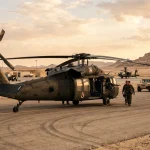
The climbing turn is a critical helicopter maneuver that allows pilots to make tight, controlled turns while maintaining altitude and speed. Understanding this technique is essential for both aspiring pilots and seasoned aviators, as it enhances safety and control during flight operations. Did you know that mastering the climbing turn can improve performance during emergency situations, providing pilots with the skills needed to navigate safely around obstacles?
Whether you’re gearing up for your first solo flight or looking to refine your maneuvers for advanced flying, exploring the intricacies of the climbing turn will deepen your appreciation of helicopter dynamics. This guide breaks down the mechanics of the climbing turn, demystifies its complexities, and highlights its importance in real-world flying scenarios. As we delve deeper, you’ll uncover valuable insights that can enhance your skills and boost your confidence in the cockpit. Ready to take your flying to the next level? Let’s get started!
What Is a Climbing Turn Helicopter?
A climbing turn in a helicopter is a maneuver where the aircraft ascends while simultaneously changing direction. This technique is essential for pilots who need to gain altitude while navigating around obstacles or during tactical operations. Unlike fixed-wing aircraft, helicopters have the remarkable ability to perform such turns due to their rotor mechanics, allowing for greater vertical mobility and lateral control. Understanding this maneuver not only enhances flight safety but also significantly improves operational efficiency in various scenarios, from search and rescue missions to law enforcement and aerial surveillance.
Executing a climbing turn properly requires a delicate balance of inputs. The pilot must manage collective pitch and cyclic control to maintain a steady ascent while simultaneously applying the necessary lateral controls to achieve the desired heading. Achieving the ideal angle of bank and pitch is crucial; a moderate bank angle of around 15 to 20 degrees is typically recommended to prevent loss of lift. The climb rate should be monitored closely, as excessive bank angle can lead to decreased performance and even a stall if not handled correctly.
In addition to basic proficiency, mastering climbing turns can provide significant benefits in real-life applications. For instance, during a firefighting operation, a helicopter may need to climb away from hot spots while positioning itself to drop fire retardant accurately. Moreover, flying into a confined area requires a graceful combination of lifting and turning, highlighting the maneuver’s tactical importance under various conditions.
Safety is paramount in any maneuver, especially in climbing turns. Pilots must remain vigilant and aware of other aircraft, as well as their surroundings and environmental conditions. Training and practice play vital roles in perfecting these techniques, as do rigorous pre-flight checks and adherence to flight regulations. By combining theoretical knowledge with practical applications, aspiring pilots can gain the skills necessary to execute climbing turns confidently and effectively, thus enhancing their overall flying capabilities.
Understanding the Climbing Turn Maneuver
A climbing turn in a helicopter stands out as a remarkable maneuver that combines ascent with directional change, showcasing the unique capabilities of rotorcraft. This operation allows pilots to navigate around obstacles or reposition effectively while gaining altitude, essential in various scenarios like search and rescue missions, firefighting, or tactical operations. Unlike fixed-wing aircraft that require speed to change direction, helicopters can effectively maneuver in tighter spaces, highlighting their versatility and critical role in emergency and operational environments.
Understanding the mechanics behind a climbing turn is key to mastering it. Pilots must simultaneously manage collective pitch to increase lift and cyclic control to adjust the aircraft’s heading. This delicate balance is crucial; ideally, a 15 to 20-degree bank angle is maintained to avoid losing lift. Pilots need to be mindful of their climb rate, as too steep a bank can lead to a stall-an outcome every pilot strives to avoid.
To further illustrate, consider a firefighting scenario where a helicopter must ascend away from a flaming landscape while repositioning to make an effective fire retardant drop. The ability to climb while turning sharply allows the pilot to avoid hazards and achieve an optimal angle for deployment. Similarly, in an urban environment, navigating around buildings requires precision and altitude adjustments that only a climbing turn can provide, making it a cornerstone maneuver in a pilot’s skill set.
Applicants aspiring to become pilots should recognize the importance of thorough training and practice, which empower them to perform climbing turns confidently and safely. With understanding and practice, pilots can master this essential skill, enhancing their overall flying proficiency and responsiveness to dynamic environments.
Essential Principles of Helicopter Flight
The world of helicopter flight is a fascinating blend of physics, engineering, and skill that presents unique challenges and rewards for pilots. Understanding how helicopters generate lift and maneuver is crucial for mastering various techniques, including the climbing turn. A helicopter differs from fixed-wing aircraft by relying on rotating blades to create lift; this rotor system allows for remarkable agility and the ability to operate in environments where traditional planes cannot.
Helicopter flight principles hinge on four fundamental forces: lift, weight, thrust, and drag. Lift is generated by the rotor blades, which create a pressure difference when they spin, pushing air down and allowing the helicopter to ascend. Understanding the relationship between collective and cyclic pitch is essential. The collective control affects the angle of all blades simultaneously, increasing or decreasing lift, while the cyclic control tilts the rotor disc and changes the helicopter’s direction. Mastering these controls allows pilot flexibility in complex flight scenarios, like executing a climbing turn while maintaining altitude.
When performing a climbing turn, pilots must maintain an appropriate balance to prevent stalling. This involves careful management of the helicopter’s bank angle-ideally between 15 to 20 degrees-to ensure that lift is not compromised. Practicing climbing turns helps develop the necessary muscle memory and spatial awareness required for dynamic flying environments, especially in urban settings or during demanding missions such as search and rescue or firefighting. Here, the agility of a helicopter becomes apparent as pilots must swiftly navigate around obstacles while gaining altitude.
On the technical side, understanding the effect of wind is vital. Wind speed and direction can affect lift and control response; gusts can complicate a climbing turn significantly. For aspiring pilots, regular flight training, simulations, and a solid grasp of theoretical knowledge combined with practical experience will cultivate adeptness in flying and ultimately enhance safety in every maneuver, including climbing turns.
Step-by-Step Guide to Executing a Climbing Turn
Executing a climbing turn requires precision and an understanding of several critical flight principles. This maneuver not only helps a helicopter gain altitude while changing direction, but it also allows pilots to avoid obstacles effectively, which is vital in emergency situations or complex environments. Below is a detailed guide to help you master this essential technique.
Preparation and Initial Steps
Before initiating the climbing turn, ensure your helicopter is in a stable hover or forward flight at an appropriate altitude. Begin by assessing the surrounding airspace for any potential obstacles and plan your intended flight path. It’s crucial to maintain a gradual speed-this will lessen the need for excessive control input during the maneuver.
- Collective Input: Increase the collective pitch to gain more lift. This adjustment raises the helicopter and is the first step in initiating the climbing phase.
- Cyclic Control: Use the cyclic control to tilt the rotor disc in the direction of the turn. This change in direction is essential to establish the climb path you intend to follow.
Executing the Climbing Turn
As you prepare to execute the climbing turn, consider the target bank angle. A bank angle of 15 to 20 degrees is ideal to maintain lift while turning.
- Increase Power: As you begin the turn, apply additional throttle if necessary. This extra power compensates for the increased load during the maneuver.
- Adjust Bank Angle: Lean into the turn with the cyclic, maintaining that bank angle. Monitor the descent rate closely; effective communication between the collective and cyclic controls is key during this phase.
Finalizing the Maneuver
As the helicopter completes the turn and starts climbing, gradually ease off on the cyclic and collective inputs to establish steady flight.
- Level the Aircraft: After completing the turn, use the cyclic to level the rotor disc back to a neutral position. Adjust the collective as needed to attain the desired altitude without losing too much speed or control.
- Stability Check: Before continuing your flight, take a moment to ensure the helicopter is stable. Check your instruments and be ready to make further adjustments as necessary.
Efficiently performing a climbing turn not only enhances your flying skills but also prepares you for various real-world applications, from search and rescue operations to urban traffic management. Remember, practice makes perfect. As you become more comfortable with this maneuver, your confidence and proficiency in helicopter flight will significantly improve.
Common Mistakes in Climbing Turns and How to Avoid Them
Executing a climbing turn in a helicopter can be an exhilarating experience, but it requires attention to detail and an awareness of common pitfalls that can lead to mishaps. One frequent mistake is improper collective management. New pilots may increase collective pitch but fail to account for the extra power needed during the turn. This can result in an unintentional descent or, worse, an inability to gain altitude. To avoid this, regularly monitor the helicopter’s performance and adjust the collective early to ensure sufficient lift throughout the turn.
Another common error is neglecting to maintain the correct bank angle. Many pilots either over-bank or under-bank, compromising the maneuver’s effectiveness. An ideal bank angle of 15 to 20 degrees optimizes lift and control. Establishing this angle early in the turn and maintaining it with delicate cyclic adjustments is crucial. Keeping an eye on the turn rate and descent rate can help reinforce a smooth transition and prevent the helicopter from stalling or losing altitude.
One less obvious mistake is a lack of situational awareness during the maneuver. Pilots may become so focused on the controls that they disregard the surrounding environment, potentially leading to obstacles being overlooked. To counter this, integrate regular visual scans of the area, ensuring that you remain aware of terrain and other air traffic. A brief moment of distraction can have significant consequences in a dynamic flying environment.
Finally, communication between collective and cyclic controls is vital during a climbing turn. Some pilots may fixate on one control at the expense of the other, resulting in an imbalanced flight path. By practicing coordinated movements and consistently cross-checking instrument readings during the maneuver, pilots can hone their skills and avoid falling into bad habits. Emphasizing these aspects not only enhances maneuvering proficiency but prepares pilots for real-world flying scenarios.
Technical Benefits of Climbing Turns in Aviation
Executing a climbing turn in a helicopter is not just an impressive maneuver; it offers a multitude of technical benefits that can significantly enhance a pilot’s flying capabilities. Mastering this technique contributes to overall proficiency in piloting and ensures safer operations in complex flying environments.
One of the primary technical benefits of climbing turns is improved energy management. By efficiently managing the helicopter’s power during a climb, pilots can maintain altitude while changing direction. This skill helps in scenarios where obstacles lie ahead, allowing for a swift and safe change of course without sacrificing altitude or safety. A well-executed climb turn directs the helicopter’s lift effectively, providing better control and stability during maneuvers.
Additionally, climbing turns enhance a pilot’s situational awareness. The maneuver requires constant monitoring of altitude, airspeed, and bank angle, fostering a deeper understanding of how various forces interact during flight. Pilots become more attuned to their aircraft’s performance and develop a keener eye for environmental factors that could impact their flight path. This heightened level of alertness is invaluable, particularly in busy airspaces or in adverse weather conditions.
Another significant advantage is the transitioning of flight modes. Climbing turns prepare pilots for a variety of scenarios, such as transitioning from hover to forward flight or adjusting to high-density altitude conditions. This versatility is critical in real-world flying, where adaptability can mean the difference between a smooth operation and a potential mishap.
Incorporating climbing turns into regular training routines can also contribute to muscle memory development. As pilots practice these maneuvers, they cultivate habits that promote easier decision-making during emergencies. This preparedness can be crucial, especially in critical situations where every second counts.
Embracing the technical benefits of climbing turns lays a solid foundation for any aspiring helicopter pilot. Not only does this skill set enhance individual flying performance, but it also cultivates a strong safety culture, ultimately leading to more confident and capable aviators.
Real-life Applications for Climbing Turns in Flight
Executing a climbing turn in a helicopter is not only a testament to a pilot’s skill but also essential in a variety of real-life scenarios. As helicopters are often utilized in dynamic environments, mastering this maneuver can significantly enhance operational safety and efficiency.
In emergency situations, such as responding to a medical evacuation or a search and rescue mission, the ability to perform a climbing turn allows pilots to swiftly alter their flight path while gaining altitude. This capability is critical when navigating around obstacles or adjusting to rapidly changing conditions, such as rising terrain or unexpected weather phenomena. For instance, in mountain rescue operations, a climbing turn can help a pilot quickly reposition the helicopter to access a landing zone safely.
Additionally, climbing turns are frequently employed in urban settings where obstacles like buildings and power lines are prevalent. By executing a precise climbing turn, pilots can maintain lift while making necessary directional changes, reducing the risk of collision. This maneuver is particularly beneficial when conducting aerial tours, photography, or news coverage, allowing pilots to navigate through complex urban landscapes smoothly.
The versatility of climbing turns also shines in training environments. Flight schools often incorporate climbing turns into their curriculum to simulate real-world flying conditions. Training in climbing turns prepares student pilots for various scenarios, including navigating around traffic during flight operations and adapting to different air densities and environmental factors.
By honing climbing turn techniques, pilots enhance their situational awareness and decision-making skills, which are invaluable in all aspects of flight. These practical applications of climbing turns contribute not just to a pilot’s proficiency but to the overall safety and success of helicopter operations in diverse environments.
Safety Considerations for Climbing Turns
Executing climbing turns in helicopters carries inherent risks that require careful consideration and adherence to safety principles. Understanding these factors is crucial for both experienced pilots and aspiring aviators. One primary concern during a climbing turn is maintaining control of the helicopter while managing performance limits. Factors such as weight, balance, and environmental conditions play a significant role in how a climbing turn is executed and whether it remains safe.
Situational Awareness is paramount. Pilots must continuously monitor their surroundings to avoid obstacles, especially when operating in urban environments or near mountainous terrain. This involves being alert to the position of buildings, trees, and power lines, as well as changes in weather conditions that can affect lift and visibility. Regularly scanning for these hazards can enhance flight safety.
Additionally, effective communication in multi-pilot operations or when working with ground support is essential for ensuring everyone’s awareness of the helicopter’s movements. For example, providing clear indications of the intended climbing turn can assist in coordinating actions with ground crews or other aircraft.
Response to Emergencies
In the unfortunate event of an emergency, such as engine failure during a climbing turn, pilots must be trained to respond swiftly and effectively. Having a pre-determined plan for various emergency scenarios-including executing a controlled descent or landing in a nearby clear area-can make the difference in safety outcomes. Regular training and simulations ensure that pilots can retain composure and execute these emergency procedures efficiently when needed.
Through diligent practice and preparation, the risks associated with climbing turns can be mitigated, allowing pilots to enjoy the full capabilities of their helicopters with confidence. Remember, the commitment to safety in flying not only protects the pilot but also everyone involved in helicopter operations.
Tips for Mastering Climbing Turn Techniques
Mastering the climbing turn technique in helicopters is essential for maintaining performance, safety, and agility during flight. This maneuver can enhance your flying skills, allowing helicopters to gain altitude while turning efficiently. Here are some practical tips to help you refine this critical skill.
First and foremost, practice makes perfect. Ensure you dedicate time to practice climbing turns under varying conditions. Start in open airspace to build confidence before progressing to areas with more obstacles. Use a simulator to familiarize yourself with the controls and responses required during a climbing turn. Understanding how your helicopter responds in different scenarios will enhance your situational awareness and decision-making during actual maneuvers.
Always pay attention to aircraft weight and balance. Climbing turns can be affected by how a helicopter is loaded; exceeding weight limits or an unbalanced load can lead to a loss of control. Before flight, check the helicopter’s weight distribution and ensure it is within limits. Additionally, monitor fuel levels, as these can change your overall weight and performance during the turn.
In a climbing turn, maintain a steady application of collective and cyclic controls. Pulling too aggressively on the collective can lead to an abrupt climb that may cause a stall. Instead, apply the collective gradually while smoothing your cyclic inputs to ensure a gentle turn. Aim for a consistent climb rate and turn radius. Regularly practicing these adjustments helps foster muscle memory, making the maneuver feel intuitive.
Lastly, never underestimate the importance of communication and teamwork when flying with others. If you’re in a multi-pilot environment, use clear, concise radio calls to inform others of your actions. This not only increases safety but can also provide learning opportunities through shared experiences and feedback.
In conclusion, mastering climbing turns involves a mix of practice, awareness, and effective communication. With dedication and careful execution, you can improve your helicopter flying skills significantly, ensuring both safety and performance in every flight.
Exploring Variations of the Climbing Turn
Mastering a climbing turn in helicopter flight often invites pilots to explore various approaches, each designed to refine their skills and adapt to different flying scenarios. Variations of the climbing turn are not merely academic; they represent practical adaptations to specific conditions and objectives that pilots may encounter.
One popular variation includes the soft climbing turn, where the pilot applies a gentler increase in collective pitch and maintains a more gradual bank angle. This technique is particularly useful during operations in congested airspace or near obstacles, as it minimizes the risk of abrupt changes in altitude and speed. By allowing for a smoother transition, pilots can maintain better control while also fostering passenger comfort.
Another notable variation is the maximum performance climbing turn. This maneuver is utilized primarily in emergency situations where rapid altitude gain is necessary, such as during a critical engine failure scenario. In this case, the pilot may utilize a more aggressive pitch and bank angle, carefully balancing the need for performance with potential aerodynamic limits. Training for these scenarios requires a keen understanding of the helicopter’s performance envelope and a precise application of control inputs.
Adaptations Based on Aircraft Type
Different helicopter models may necessitate specific adaptations to the climbing turn. For instance, light helicopters might perform tighter climbing turns more easily due to their lower inertia, while heavier models could require a more measured approach to prevent stalling.
Moreover, environmental factors such as altitude, temperature, and even wind can also influence how a pilot approaches a climbing turn. In high-density altitude conditions, for instance, decreased air density affects lift generation, necessitating adjustments in technique. Pilots often explore these subtleties during their training to better prepare for real-world flying.
Ultimately, exploring the variations of climbing turns not only enhances a pilot’s technical repertoire but also builds confidence in handling a wide range of flying conditions. With each adaptation, pilots pave the way for safer and more efficient flight practices, contributing to the overall safety and performance in aviation. Embracing these diverse techniques through practice and thorough understanding can turn the challenge of a climbing turn into an opportunity for skill enhancement.
How Climbing Turns Enhance Pilot Skills
Mastering climbing turns is essential for pilots looking to elevate their skills and responsiveness in the cockpit. By practicing this maneuver, aviators not only enhance their technical abilities but also improve their situational awareness and decision-making under pressure. Whether maneuvering through congested airspace or navigating challenging weather conditions, proficiency in climbing turns can make a significant difference in overall flight safety and efficiency.
The process of executing a climbing turn requires pilots to meticulously balance collective pitch and cyclic inputs. This balance is key to maintaining altitude while gaining height, which can often lead to increased confidence in handling the helicopter during dynamic situations. Pilots become more adept at managing the aircraft’s performance envelope, understanding how different control inputs affect flight dynamics in real time. This level of mastery fosters a deeper connection between pilot and machine, crucial in an environment where rapid decision-making can mean the difference between a safe flight and an emergency situation.
Moreover, frequent practice of climbing turns sharpens problem-solving skills, as pilots must anticipate and react to various factors such as wind, potential obstacles, and changes in aircraft load. For example, when conducting a climbing turn in a high-density altitude environment, a pilot learns to adjust their technique by applying a more gradual increase in collective pitch to avoid the risk of stalling. This adaptability not only improves safety but also prepares pilots for real-world flying scenarios, making them more versatile and resilient in the face of challenges.
In an industry where the stakes are high, having a well-rounded skill set is invaluable. Regularly practicing climbing turns enhances a pilot’s ability to think critically and respond swiftly, enhancing their competency as a pilot. As they develop this crucial skill, they also gain a sense of accomplishment and confidence that extends beyond the maneuver itself, influencing their overall flying experience.
Frequently Asked Questions About Climbing Turns
Climbing turns are not just a useful maneuver; they are a vital skill that every helicopter pilot should master. As aspiring aviators dive into training and experience various flight scenarios, questions naturally arise about the finer points of executing climbing turns effectively and safely. Here are some common inquiries and their answers that help clarify this essential flying technique.
One frequently asked question is, “What is the primary purpose of a climbing turn?” The main objective of a climbing turn is to gain altitude while changing direction, which can be crucial when avoiding obstacles or navigating through controlled airspace. It allows pilots to adjust their flight path upward without losing altitude, provided the maneuver is executed correctly.
Another common concern is “How do I maintain aircraft control during a climbing turn?” The key is maintaining a balance between collective and cyclic inputs. Pilots should gently increase the collective to gain altitude while managing the cyclic to ensure a smooth turn. This balance helps prevent a stall, especially during high density altitude conditions where aircraft performance may be compromised. Practicing this coordination in a controlled environment will build confidence and muscle memory.
Many novice pilots also encounter the question, “What are some pitfalls to avoid during climbing turns?” Common mistakes include applying excessive collective too quickly, leading to a potential stall, or not monitoring airspeed, which is crucial during any climbing maneuver. It’s essential to understand how to manage the helicopter’s performance envelope and to always anticipate how external factors like wind can affect the maneuver.
Lastly, “How can consistent practice of climbing turns enhance my skills as a pilot?” Regularly practicing these turns aids in improving overall situational awareness and decision-making skills. Each flight scenario presents unique challenges that demand quick thinking and adaptability, ultimately making you a safer and more proficient pilot. By mastering climbing turns, you not only enhance your technical flying skills but also build a strong foundation for tackling more advanced maneuvers in the future.
Prioritizing education and understanding in the cockpit ensures that all pilots honor the lives lost in aviation incidents by learning from the past and committing to excellence in flying. With dedication to practice and an eagerness to learn, both novice and seasoned pilots can elevate their flying capabilities significantly.
Q&A
Q: What are the benefits of using a climbing turn in helicopter flight?
A: A climbing turn enhances maneuverability and altitude gain, making it ideal for avoiding obstacles during ascent. It allows pilots to navigate effectively while maintaining a positive rate of climb. This technique is crucial in scenarios requiring quick evasive actions or when navigating tight airspace.
Q: When should a climbing turn be executed in helicopter operations?
A: A climbing turn should be executed when needing to gain altitude while changing direction, particularly during takeoffs or when avoiding terrain. It’s essential in flight situations where obstacles are present, allowing pilots to maintain safety and adherence to air traffic control instructions.
Q: How does a climbing turn differ from a standard turn in helicopters?
A: Unlike a standard turn, a climbing turn combines upward flight with lateral movement, allowing for altitude gain during directional changes. This maneuver requires specific handling techniques to ensure safe and efficient performance, including maintaining rotor efficiency and managing power settings.
Q: What are some common mistakes pilots make during climbing turns?
A: Common mistakes include over-controlling the cyclic, failing to manage power settings, or not maintaining adequate airspeed. These errors can lead to undesirable flight conditions. Pilots should focus on smooth inputs and pay close attention to climb rate and altitude during the maneuver.
Q: Can climbing turns be performed safely in all helicopter models?
A: While most helicopter models can perform climbing turns, each has specific performance limitations. Pilots should be familiar with their aircraft’s weight and balance, engine power, and other factors that may affect the maneuver’s safety and efficiency. Always consult the flight manual for model-specific guidelines.
Q: Why is altitude management important during a climbing turn?
A: Altitude management is crucial during a climbing turn to avoid stalls and ensure sufficient rotor blade efficiency. Maintaining the correct altitude allows pilots to execute the maneuver safely while minimizing risks associated with obstacles and ensuring compliance with altitude regulations.
Q: What techniques can help pilots master climbing turns?
A: To master climbing turns, pilots should practice coordination between the cyclic, collective, and pedals. Engaging in simulator training and real flight practice under supervision can enhance these skills. Additionally, focusing on smooth control inputs and awareness of the helicopter’s performance enhances proficiency.
Q: How do climbing turns improve overall piloting skills?
A: Climbing turns improve overall piloting skills by enhancing situational awareness, control precision, and decision-making capabilities in dynamic flight situations. Practicing this maneuver develops critical thinking as pilots learn to assess conditions and adjust techniques quickly, thereby boosting their overall flying competency.
Wrapping Up
Now that you’ve unraveled the intricacies of the Climbing Turn Helicopter, you’re better equipped to add this impressive maneuver to your flying repertoire. Remember, mastering this technique enhances your proficiency in aerial navigation and opens up new possibilities for exploration. If you have questions or insights, share them in the comments-your experience can inspire fellow aviators!
To deepen your understanding, check out our articles on helicopter safety protocols and advanced flight techniques, which provide valuable insights that build on what you’ve learned here. Don’t forget to sign up for our newsletter for the latest updates on aviation tips and equipment reviews.
Embrace the thrill of flight and continue your journey with us-there’s always more to discover in the fascinating world of helicopters!
Get our latest guides, news, and insights highlighted in your Google Search & AI Overviews.