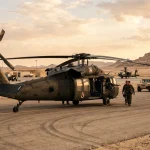
Is a plane or a helicopter faster? In aviation, airplanes are significantly faster than helicopters across almost every category. Standard commercial jetliners (such as the Boeing 737 or Airbus A320) cruise at 500 to 550 mph (800 to 885 km/h), and military fighter jets exceed 1,500 mph (Mach 2+). In contrast, standard civilian helicopters cruise between 90 and 140 mph (145 to 225 km/h), and even the fastest military attack helicopters (such as the AH-64 Apache or Mi-28 Havoc) reach maximum dash speeds of only 185 to 200 mph (300 to 320 km/h).
The fundamental reason why a plane is faster than a helicopter is an aerodynamic barrier called retreating blade stall: as a helicopter flies faster forward, the rotor blade moving backward experiences lower relative airflow and stalls, imposing an insurmountable physical speed limit on conventional rotorcraft.
When considering air travel, speed often becomes a crucial factor in choosing between a helicopter and a plane. Did you know that while helicopters are renowned for their versatility and ability to land without a runway, most planes can soar to much greater speeds? This topic not only piques the interest of aviation enthusiasts but also has practical implications for travelers and pilot aspirants alike. Understanding the speed differences can help potential pilots make informed choices about their training and aircraft selection. As we explore the nuances of helicopter and plane speeds, you’ll discover how technological advancements shape their performance and what this means for the future of aviation. Whether you’re a curious hobbyist or a seasoned aviation aficionado, join us on this journey to uncover the aerodynamic secrets behind these fascinating flying machines.
Is a Helicopter Faster Than a Plane? Understanding Speed Differences
Helicopters and planes each have unique characteristics that define their speeds. Typically, airplanes are faster than helicopters. For instance, most commercial jet airliners cruise at speeds around 500 to 600 miles per hour, while conventional helicopters generally have a maximum speed ranging from 120 to 160 miles per hour. This fundamental difference in speed can be attributed to their design and aerodynamics.
Comparing Speeds: Helicopters vs. Planes
While helicopters can achieve impressive speeds, their primary design focuses on vertical takeoff and landing capabilities rather than long-distance travel. Planes, with fixed wings, are optimized for speed and efficiency over longer distances. As a result, they can cover greater distances in less time compared to helicopters. However, helicopters hold the advantage in various scenarios where quick response times and the ability to operate in confined spaces are crucial, such as search and rescue operations or emergency medical services.
Factors Affecting Aircraft Speed
Several factors influence the speed of both helicopters and airplanes:
- Aircraft Design: Fixed-wing planes benefit from streamlined shapes that reduce drag, contributing to higher speeds.
- Engine Power: The type and power of engines also dictate how fast an aircraft can go, with turbofan engines in planes typically providing greater thrust than the engines in most helicopters.
- Aerodynamics: Planes are designed to optimize lift-to-drag ratios, which significantly enhances their cruising speed compared to helicopters that rely on rotor dynamics.
- Weight and Load: The total weight and the load of the aircraft can also restrict speed. Heavily laden helicopters tend to be slower.
Understanding these factors helps aviation enthusiasts appreciate why helicopters can excel in specific roles, even as they generally fall short in speed when compared to planes.
Comparing Speeds: Helicopters vs. Planes
While it’s easy to think of speed as the ultimate measure of flight capabilities, comparing helicopters to planes reveals a complex reality shaped by their unique designs and intended purposes. Helicopters generally max out at speeds between 120 to 160 miles per hour, while commercial airplanes comfortably cruise at speeds around 500 to 600 miles per hour. This fundamental difference in performance is closely tied to how each aircraft is built and what it’s designed to do.
Helicopters excel in versatility, offering unparalleled maneuverability and the ability to hover in place or land in tight spaces. These traits are crucial during operations such as search and rescue missions, where time-sensitive actions are required and access to remote areas is essential. Conversely, planes are engineered for sustained high-speed flight over long distances, making them ideal for commercial travel and cargo transport. Their fixed-wing structure and aerodynamic design allow them to cut through the air efficiently, translating to higher cruising speeds.
To illustrate the stark contrast in speed capabilities, consider the operational environments of each aircraft. For instance, a helicopter can reach a disaster site quickly and land directly on a rooftop, providing immediate support. On the other hand, while a plane might take longer to arrive, it can carry far more passengers or cargo over long stretches, proving invaluable for international travel. This essential difference in speed and application should influence decisions when choosing the most suitable aircraft for specific needs.
In summary, while helicopters may not match the speed of planes when it comes to sheer velocity, their design allows them to perform crucial functions that demand agility and accessibility, showcasing the fascinating relationship between speed and purpose in aviation.
Factors Affecting Aircraft Speed
When it comes to aircraft speed, various interconnected factors influence performance, creating a fascinating dance of engineering, design, and physics that ultimately affects how fast a helicopter or plane can go. One of the primary elements is the aircraft design itself. Helicopters use rotor systems to generate lift and thrust, which inherently limits their maximum speed compared to fixed-wing aircraft. Meanwhile, planes benefit from streamlined bodies and wings designed to optimize aerodynamics, allowing them to achieve and maintain higher cruising speeds.
Another significant factor is aerodynamics. The shape and structure of an aircraft can drastically affect its speed capabilities. Fixed-wing airplanes can take advantage of lift generated by their wings, allowing them to climb to cruising altitudes where they face less air resistance. Helicopters, on the other hand, must overcome drag created by their rotor blades and fuselage, which can impede speed. Moreover, the speed at which a helicopter operates can also be impacted by the design of its rotor system, such as the number of blades and their pitch.
Environmental conditions, including altitude and weather, further complicate the picture. As altitude increases, air density decreases, which can enhance performance for airplanes but may pose challenges for helicopters. Additionally, factors like wind direction and speed can impact flight speed. For instance, a helicopter may find it more difficult to maintain speed in strong headwinds compared to a plane, which is typically built to fly higher, where wind resistance is less burdensome.
Finally, power-to-weight ratio is crucial. This ratio determines how much thrust an aircraft can generate relative to its weight. Helicopters often rely on high-powered engines to lift their mass, but this doesn’t translate to speed in the same way it does for planes. A plane with a higher power-to-weight ratio can accelerate more swiftly than a helicopter, which is designed more for maneuvers and hovering than for fast, straight-line travel. Understanding these factors is key for aspiring pilots or enthusiasts looking to appreciate the intricacies of speed in aviation and make informed decisions based on specific needs and applications.
Typical Speed Ranges: Helicopters and Planes
Typically, helicopters operate within a speed range that starkly contrasts with the capabilities of fixed-wing aircraft. Most helicopters cruise at speeds between 90 to 160 knots (about 100 to 185 mph), depending on the model and its intended use. For example, the widely used Bell 206 and Airbus H125 usually hover around 120 knots, while heavier transport helicopters, like the Sikorsky CH-53, may reach slightly higher speeds under optimal conditions. This generally places helicopters at a disadvantage in terms of speed compared to airplanes, which are engineered for much higher velocities.
In contrast, commercial jets soar well above the helicopter’s typical range, often cruising at speeds between 400 to 500 knots (approximately 460 to 575 mph). For instance, the Boeing 737, a staple in civil aviation, operates around 450 knots during flight. Even smaller, faster aircraft such as private jets, like the Cessna Citation or Learjet, exceed this speed range, reaching anywhere from 400 to 600 knots. These planes benefit from their aerodynamic design and the physics of lift generated by fixed wings, allowing them to maintain higher speeds over longer distances.
It’s worth noting that there are exceptional military helicopters, like the Sikorsky X2, capable of impressive speeds up to 250 knots (about 288 mph). This was achieved through advanced rotor system designs and techniques that reduce drag and enhance performance, showcasing that speed gaps can be narrowed under certain conditions. However, such advancements remain the exception rather than the rule.
When selecting an aircraft for your specific needs, understanding these speed ranges is crucial. A helicopter excels in scenarios requiring versatility and quick vertical takeoff and landing in confined spaces, but if speed is of the essence, especially for long-distance travel, a fixed-wing aircraft is generally the smarter choice. Both types of aircraft offer unique advantages, and the best option often hinges on the specific requirements of the flight, be it speed, range, or operational flexibility.
Role of Aerodynamics in Speed Performance
The intricate dance of aerodynamics plays a pivotal role in determining the speed capabilities of both helicopters and planes. Understanding how these forces interact with the aircraft shapes not only their top speeds but also their efficiency in various flying conditions. While planes harness the principles of fixed-wing lift, facilitating higher speeds over greater distances, helicopters rely on rotor dynamics that present both unique advantages and limitations.
One significant aspect is the shape and design of the aircraft. Fixed-wing airplanes are typically constructed to minimize drag through streamlined fuselages and wings that optimize airflow. This allows them to cut through the air more efficiently, reaching cruising speeds that often exceed 400 knots. Conversely, helicopters, with their rotating blades, experience a different type of airflow. The main rotorcraft principles involve creating lift through the rotation of blades that generate varying aerodynamic forces. However, the blades must maintain a specific angle of attack to remain effective, which can limit speed due to increased drag at higher velocities. This phenomenon is compounded by retreating blade stall, where the rearward-moving blade experiences a decrease in lift under higher speeds, ultimately dictating operational limits.
Despite these challenges, advancements in helicopter design, such as the use of advanced materials and innovative rotor technologies, have led to improvements in speed. For example, helicopters like the Sikorsky X2 utilize coaxial rotors that counteract some of the aerodynamic inefficiencies, allowing them to achieve speeds that substantially close the gap with planes. The rotor design reduces turbulence and drag, enabling these aircraft to perform effectively at higher velocities.
In contrasting scenarios – such as search and rescue missions or rapid urban transport – helicopters bring unique strengths. Their ability to hover and execute vertical takeoffs gives them a distinct advantage in operations requiring precision and speed in confined spaces. In such cases, while they may not match the raw speed of airplanes, they excel in effectiveness and operational flexibility. This interplay of design and aerodynamics ultimately guides operators in choosing the right aircraft for their specific speed and performance needs.
Advantages of Helicopters in Speed Scenarios
In the fast-paced world of aviation, helicopters showcase unique advantages that make them invaluable in certain speed scenarios, despite their typically lower top speeds compared to fixed-wing aircraft. One of the most significant factors in favor of helicopters is their ability to execute vertical takeoffs and landings (VTOL). This capability allows them to access areas that are often unreachable by planes, such as densely populated urban environments or remote disaster zones. When every second counts, like during medical evacuations or emergency response missions, helicopters can rapidly deploy to the scene without the need for runways, dramatically shortening response times.
Helicopters also excel in maneuverability and can hover in place. This ability is crucial in scenarios like search and rescue operations, where pinpoint precision is necessary. For example, during a rescue mission in mountainous terrain, a helicopter can hover over a targeted area to deploy rescue personnel, while airplanes would need considerable space to drop off assistance. This versatility allows helicopters to perform complex operations swiftly, compensating for their slower straight-line speed.
Another advantage lies in their operational flexibility. Helicopters can fly lower and slower than airplanes, which makes them ideal for aerial surveillance or traffic monitoring. They can effectively conduct operations at lower altitudes, providing better visibility for tasks such as law enforcement, firefighting, or even agricultural applications like crop dusting. In these scenarios, the time saved by being able to transition directly from travel to operation can be significantly more advantageous than sheer speed.
Lastly, advancements in technology continuously improve helicopter performance. Innovations such as advanced rotor designs and lightweight materials enhance efficiency and speed. Helicopters like the Bell 525 Relentless have approached impressive speeds while maintaining their operational capabilities, reflecting the ongoing evolution of rotorcraft design aimed at maximizing speed while retaining the operational advantages that helicopters naturally provide.
When Planes Outpace Helicopters: Key Scenarios
In the world of aviation, a striking contrast emerges when weighing the performance of planes against helicopters: while helicopters shine in versatility and adaptability, planes often leave them in the dust when it comes to straight-line speed. For example, typical commercial airliners cruise at speeds around 500 to 600 miles per hour, far exceeding the average helicopter speed of 100 to 150 miles per hour. This discrepancy becomes most apparent in long-distance travel; aircraft like the Boeing 747 can cover vast distances at remarkable speeds, making them the preferred choice for international flights.
Another scenario where planes decisively outpace helicopters is in ferrying cargo or passengers over long distances. Aircraft designed for freight transport, such as freighter versions of large airliners, can carry massive payloads across continents swiftly. Helicopters, on the other hand, while extremely useful in short-range logistics and local deliveries, struggle to match the efficiency of planes in volume and speed when dealing with long-haul transportation needs.
Key Scenarios Highlighting Speed Differences
- Commercial Air Travel: Airlines utilize large jets for scheduled flights, significantly reducing travel time for passengers across continents.
- Military Operations: In combat scenarios, jets can rapidly deploy troops or supplies to areas of need, outpacing helicopters, which may be limited by their operational speed.
- Search and Rescue Missions: While helicopters can reach remote locations quickly, fixed-wing aircraft can often cover larger areas in less time, making them invaluable in broad search patterns.
In addition, considerations such as wind speed and weather can greatly influence flight performance. During faster windy conditions, fixed-wing aircraft can maintain a higher speed and efficiency compared to helicopters, which are more affected by turbulent weather due to their operating dynamics and design.
Ultimately, understanding the differences in speed capabilities between helicopters and planes is essential for determining the best aircraft for specific needs. While helicopters provide critical advantages in accessibility and operational flexibility, planes take the lead in speed, making them essential for many commercial and military applications.
Real-World Applications: Speed in Aviation
The distinct roles of helicopters and planes in various aviation contexts underscore their differing applications in speed. For instance, in emergency medical services (EMS), helicopters often outperform planes in critical scenarios where time is of the essence. They can swiftly reach accident sites, navigate through urban environments, and land in confined spaces, providing immediate medical attention and transport to hospitals. This ability to access remote or congested areas far outweighs their lower top speeds compared to fixed-wing aircraft, demonstrating their vital role in life-saving missions.
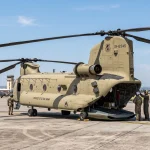
In the realm of military operations, speed is crucial for tactical advantages. While faster jets can deliver troops and supplies to front lines quickly, helicopters provide unparalleled versatility in transport. For example, in special operations, helicopters like the CH-47 Chinook can insert or extract forces from areas unreachable by land vehicles, often at a fraction of the time it would take for ground convoys to navigate the terrain. Their capacity to hover enables them to deploy troops directly into hotspots, typically saving critical time.
Commercial applications also illustrate this contrast. Airlines leverage high-speed jets for international travel, covering thousands of miles with efficiency. Helicopters, on the other hand, excel in short-range charter services, scenic tours, and business transport when direct point-to-point travel is necessary. For example, VIPs often use helicopters to bypass congested city traffic and reach destinations faster than traditional cars or planes could allow.
Finally, understanding these real-world applications helps clarify when each type of aircraft is the optimal choice. While jets boast sheer speed and distance capabilities, helicopters bring unique speed advantages in accessibility and operational flexibility, essential for fulfilling specific mission requirements. This nuanced approach to speed in aviation ensures that users-from emergency responders to international travelers-can choose the right aircraft for their needs.
Speed Records: Fastest Helicopters and Planes
The record for speed in helicopters has been pushed to impressive limits, showcasing their engineering and technological advancements. The Sikorsky CH-53K King Stallion holds the record for the fastest helicopter speed, reaching a top speed of around 200 knots (approximately 230 mph or 370 km/h). This helicopter is designed for heavy lifting and has the capability to transport troops and equipment, but its speed puts it in elite company among fast aircraft.
On the other hand, fixed-wing aircraft dominate speed records. The title for the world’s fastest airplane is held by the North American X-15, which reached an astonishing Mach 6.72 (approximately 4,520 mph or 7,274 km/h). This rocket-powered aircraft was an experimental spaceplane developed in the 1960s, primarily to gather data on hypersonic flight and atmospheric re-entry.
Key Speed Records
- Fastest Helicopter: Sikorsky CH-53K King Stallion – 200 knots (230 mph)
- Fastest Airplane: North American X-15 – Mach 6.72 (4,520 mph)
The vast difference in speed illustrates the fundamental design principles for helicopters and airplanes. Helicopters are built for versatility, allowing vertical take-off and landing, often sacrificing top speed for agility and the ability to navigate urban landscapes. In contrast, airplanes prioritize aerodynamics and efficiency over long distances, capitalizing on their structured wings to reach higher speeds across vast expanses.
Flying during emergency situations often relies on speed and accessibility rather than record-setting figures. For instance, the Eurocopter EC145, widely used in medical transport, can cruise at around 140 knots (about 161 mph), providing crucial life-saving support in accessible and swift manners. While not the fastest helicopter, its design allows it to reach remote locations quickly, demonstrating that speed in aviation isn’t only about sheer numbers but also about the right craft for the mission at hand.
Ultimately, understanding these records highlights the extraordinary capabilities of both helicopter and airplane technology, encouraging aspiring aviators and enthusiasts alike to appreciate the diverse world of flight and the specific roles each craft plays in aviation.
Cost vs. Speed: A Comparative Insight
The relationship between cost and speed in aviation is a compelling consideration for both enthusiasts and professionals alike. When comparing helicopters and airplanes, one must weigh the initial investment against operational efficiencies, particularly regarding speed. Typically, helicopters tend to have higher operating costs per hour than fixed-wing aircraft due to their complex rotor systems and maintenance requirements. However, their unique ability to reach remote locations quickly can offset these costs in time-sensitive situations.
Helicopters, like the air ambulance Eurocopter EC145, may cruise at around 140 knots, making them invaluable for emergency medical services despite a comparatively high operational cost. This versatility often justifies the expense when life-saving speed is critical. In contrast, planes like the Cessna 172 provide a more economical option for longer journeys at higher speeds, ranging around 120 knots, reflecting their design efficiency and lower maintenance expenses.
Cost versus speed decisions also hinge on mission profiles. For cargo transport over short distances, helicopters can be the faster choice when considering loading times and ground transportation. Conversely, for longer trips where efficiency and speed to raise altitude can maximize outcomes, planes can often deliver tangible benefits at a lower cost.
Ultimately, understanding the nuances of cost versus speed helps potential operators make informed decisions. It’s essential to analyze mission requirements, budget constraints, and the importance of speed in specific contexts to choose the right aircraft for any aviation endeavor. Balancing initial purchase prices against operational costs and the time saved can result in optimized performance, ensuring that both speed and cost align with overall objectives.
Safety and Speed: Factors to Consider
In the dynamic world of aviation, the relationship between safety and speed is not just an operational concern but a critical component influencing pilot decisions and passenger safety. As impressive as helicopters are in their ability to maneuver rapidly and access hard-to-reach locations, their operational speed must be balanced with safety considerations. The speed at which a helicopter can safely operate is often less than its maximum speed due to factors such as wind conditions, weight, and mechanical limitations. This makes understanding the trade-offs essential for any flight mission.
Helicopters, while capable of impressive speeds-such as the Eurocopter EC145, which can reach up to 140 knots-must always prioritize safety above all. This includes adhering to strict operational parameters and remaining vigilant about environmental conditions. Pilots are trained extensively to manage these variables, often opting for conservative speeds when conditions are less than ideal. In high-stakes scenarios, such as search and rescue operations, the need for speed must be navigated carefully alongside the realities of wind shear and turbulence that can impact altitude and stability.
Moreover, the inherent design of helicopters limits their speed capabilities compared to fixed-wing aircraft. Traditional airplanes, like the Cessna 172 with a cruising speed around 120 knots, can operate more efficiently at greater altitudes, allowing for smoother flights and greater safety margins. In contrast, helicopters often operate at lower altitudes, where they are more susceptible to atmospheric fluctuations. This structural difference means that pilots of helicopters must be especially cautious of these factors to maintain safety while still striving for speed.
It’s vital for prospective pilots and aviation enthusiasts to appreciate that safety and speed are not merely competing elements; rather, they should be seen as complementary aspects of flight operations. For instance, understanding the nuances of rotorcraft dynamics and the importance of maintaining a stable flight profile can make all the difference. Whether it’s an air ambulance rushing to a critical incident or a scenic helicopter tour, operational choices must always reflect a commitment to safety-a priority that ultimately determines not just how fast a helicopter can go, but how safely it can arrive at its destination.
Choosing the Right Aircraft for Speed Needs
Choosing the right aircraft for your speed needs can be a game-changer in aviation, whether you’re an aspiring pilot or a seasoned operator. It’s not just about sheer velocity; understanding the operational roles of helicopters versus planes can inform your decision-making hugely. For instance, helicopters are masters of vertical lift and versatility, making them ideal for missions requiring quick access to tight or inaccessible spots. However, they generally operate at lower speeds-typically between 80 and 140 knots-compared to airplanes, which often cruise comfortably between 150 and 300 knots or more, depending on the model.
When deciding between a helicopter and a plane, consider these factors:
- Mission Purpose: If your task demands immediate access and responsiveness, such as emergency medical services or search and rescue, a helicopter may be the optimal choice. In contrast, for long-distance travel or cargo transport over vast areas, airplanes usually excel.
- Operational Environment: Analyze the geography you will be flying in. Helicopters shine in urban or rugged terrains, where they can hover or land in constrained areas, while planes generally require longer runways and open airspace.
- Fuel Efficiency and Range: Planes generally offer better fuel efficiency for long-haul flights and can cover more ground quicker. Evaluate your budget and how far you need to travel.
- Licensing and Maintenance: Ensure you understand the requirements for operating each type of aircraft, as certifications differ significantly. Maintenance considerations also vary-helicopters may require more frequent inspections due to their complex rotor systems.
- Cost: Beyond initial purchase prices, sustainability and operating costs matter. Helicopters can be more expensive to maintain but may provide unique advantages that justify the investment depending on your specific needs.
Ultimately, aspiring pilots and aviation hobbyists should ask themselves: What is my primary need-speed, flexibility, or a combination of both? Being clear about your objectives will help you make an informed choice, ensuring that you select an aircraft that not only meets your speed requirements but also aligns perfectly with your operational goals. Each type brings distinct advantages, and understanding these will put you in the pilot’s seat for effective decision-making in your aviation pursuits.
Faq
Q: How do the speeds of helicopters and planes compare in different situations?
A: Generally, planes are faster than helicopters; commercial airliners can cruise at speeds over 500 mph, while most helicopters range from 100 to 160 mph. However, helicopters excel in short-distance travel and can access locations where planes cannot, making speed comparisons situational.
Q: What are the fastest helicopters compared to the fastest planes?
A: The fastest helicopter, the Eurocopter X3, reaches speeds of approximately 293 mph, while military jets like the Lockheed SR-71 Blackbird can exceed 2,200 mph. This highlights that while helicopters have impressive speeds, they still lag behind the fastest planes.
Q: Why are helicopters generally slower than planes?
A: Helicopters are usually slower due to their design and mechanics. They rely on rotating blades for lift, which limits their speed compared to fixed-wing planes that benefit from aerodynamic efficiency during flight.
Q: In what scenarios might a helicopter be faster?
A: Helicopters can be faster in scenarios requiring rapid response or vertical takeoff, like in search and rescue missions or emergency medical services. They can reach remote locations swiftly without the need for a runway, making them effective in urgent situations.
Q: Can wind conditions affect the speed of helicopters and planes differently?
A: Yes, wind impact varies. Planes, especially at altitude, can gain speed from tailwinds, enhancing their efficiency. In contrast, helicopters are more affected by wind direction and turbulence, potentially slowing them down due to their lower speed and unique flight mechanics.
Q: What advancements could change the speed capabilities of helicopters?
A: Future advancements such as improved rotor designs, hybrid propulsion systems, and advanced materials could boost helicopter speeds. Innovations like tiltrotors are already pushing these boundaries, enabling better performance in terms of speed and efficiency.
Q: How does the range of a helicopter compare with a plane?
A: Typically, planes have longer ranges than helicopters. For instance, commercial jets can fly over 3,000 miles, while helicopters usually have a range of 250 to 500 miles, depending on their design and fuel capacity. This affects their application in long-distance travel.
Q: What role do helicopter speeds play in aviation logistics?
A: Helicopter speeds offer significant advantages in time-sensitive logistics, such as transporting medical supplies or personnel to remote areas. Their ability to bypass traffic and land almost anywhere enhances operational advantages in emergency and logistical support systems.
In Summary
Now that we’ve explored whether a helicopter is faster than a plane, we hope you’ve gained a clearer understanding of their speed dynamics and operational contexts. Both flying machines serve unique purposes and excel in different environments, so consider how their characteristics fit your interests-whether it’s commercial aviation, firefighting, or thrilling helicopter tours.
If you’re curious to dive deeper into aviation, check out our articles on “Best Helicopter Models for Beginners” and “How to Become a Pilot,” or enhance your knowledge with our detailed guides on aviation technology. Don’t miss out; subscribe to our newsletter for the latest insights and tips in the aviation world!
Your thoughts matter-what’s your take on helicopter vs. plane speeds? Share your comments below! Engaging with our community can spark fascinating discussions, and we’d love to hear your flight experiences. Remember, every visit opens up new horizons in our exploration of aviation!
Plane and Helicopter Faster: Aerodynamic Speed Limits, Dash Velocity, and Flight Physics
Evaluating whether a plane and helicopter faster comparison favors fixed-wing or rotary-wing aircraft reveals a fundamental law of aeronautical engineering. While helicopters possess unmatched tactical agility—hovering motionless, landing in forest clearings, and executing vertical takeoffs without runways—fixed-wing airplanes dominate pure forward velocity and aerodynamic efficiency.
Below is a comparative flight speed benchmark analyzing aircraft across civilian, commercial, and high-performance military categories:
| Aircraft Category | Representative Aircraft | Typical Cruise Speed | Maximum Dash Velocity | Max Operating Ceiling |
|---|---|---|---|---|
| Civilian Light Helicopter | Robinson R44 / Bell 206 | 115 kts (130 mph) | 130 kts (150 mph) | 14,000 ft |
| General Aviation Airplane | Cessna 172 Skyhawk | 122 kts (140 mph) | 163 kts (188 mph) | 14,000 ft |
| Military Attack Helicopter | Boeing AH-64E Apache | 145 kts (167 mph) | 164 kts (189 mph) | 20,000 ft |
| Turboprop Regional Plane | Bombardier Dash 8 Q400 | 360 kts (414 mph) | 414 kts (476 mph) | 27,000 ft |
| Tiltrotor Hybrid Aircraft | Bell Boeing V-22 Osprey | 270 kts (310 mph) | 305 kts (351 mph) | 25,000 ft |
| Commercial Passenger Jet | Boeing 787 Dreamliner | 490 kts (564 mph) | 510 kts (587 mph) | 43,000 ft |
| Supersonic Fighter Jet | Lockheed Martin F-22 Raptor | Mach 1.8 (1,220 mph) | Mach 2.25 (1,500 mph) | 65,000 ft |
Why can’t helicopters fly faster? In a conventional helicopter, forward thrust is produced by tilting the main rotor disc. As airspeed climbs above 180–200 knots, the advancing rotor blade tip approaches supersonic speeds (causing violent shock waves and compressibility drag), while the retreating blade suffers retreating blade stall, causing violent uncommanded roll and loss of lift.
To learn more about rotor aerodynamics and flight mechanics, explore our Helicopter Flying Operations guide, compare airframe designs in Helicopter Types, or review military rotorcraft in Military Helicopters.
Get our latest guides, news, and insights highlighted in your Google Search & AI Overviews.