Did you know that a helicopter can fly anywhere from 250 to over 600 miles, depending on its type and design? Understanding a helicopter’s flying range is crucial, whether you’re considering one for emergency rescues, business transport, or even thrilling adventures in the great outdoors. As aviation continues to evolve, so do the engineering advancements that enhance these flying machines’ efficiency and capabilities. In this article, we will explore the factors that influence a helicopter’s range, from fuel capacity and weight to rotor design and flight conditions. Whether you’re an aspiring pilot, a curious aviation enthusiast, or merely interested in how these versatile aircraft soar, you’ll gain valuable insights into the remarkable world of helicopter flight. Join us as we dive deeper into the impressive distances helicopters can cover and what that means for their real-world applications.
Understanding Helicopter Range: Key Factors Explained
Understanding how far a helicopter can fly hinges on several key factors that impact its range. Primarily, the helicopter’s design and capabilities influence its distance-traveling potential. For instance, light helicopters, such as the Robinson R44, are typically equipped for short-range missions due to their limited fuel capacity, enabling them to cover approximately 250 to 500 miles on a single tank under favorable conditions. In contrast, larger models, especially those used in military applications, vary widely in range based on specific mission requirements, payload, and available fuel tank size.
Fuel Capacity and Its Impact
Fuel capacity is one of the most significant factors determining flight distance. Helicopters with larger fuel tanks can sustain longer flights, while those designed for agility and maneuverability often sacrifice fuel capacity for lighter weight and performance. For example, the Bell V-280 Valor, which is currently under development, boasts a remarkable range of approximately 2,416 miles, owing largely to its innovative design that incorporates efficient fuel management systems.
Weather Conditions
Weather also plays a crucial role in extending or limiting flight range. Adverse weather conditions, such as high winds, rain, or extreme temperatures, can significantly affect helicopter performance. Pilots must carefully consider these factors when planning a flight, as inclement weather can reduce a helicopter’s operational range and necessitate more frequent refueling. Engaging with flight planning apps that account for weather forecasts can help pilots better prepare for potential delays and modifications during their flights.
In summary, achieving maximum helicopter range depends not just on fuel capacity but also on helicopter type, mission profile, weather considerations, and overall operational efficiency. Continued advancements in helicopter technology promise to enhance range and flight efficiency, opening new opportunities for both civilian and military aviation.
Fuel Capacity: How It Affects Flight Distance
Fuel capacity plays a crucial role in determining how far a helicopter can travel on a single tank of fuel. Helicopters are designed with varying sizes of fuel tanks, each tailored to meet the operational demands of specific missions. Larger fuel tanks enable helicopters to cover greater distances, while lighter models, aimed at agility and quick responses, may compromise fuel capacity to enhance maneuverability. For example, while light helicopters like the Robinson R44 typically manage ranges between 250 to 500 miles, larger models, such as the Boeing CH-47 Chinook, can achieve significantly longer ranges due to their larger fuel storage capabilities and more powerful engines.
The engineering behind fuel systems also contributes to a helicopter’s efficiency and distance capabilities. Advanced helicopters utilize modern fuel management systems designed to maximize their range. These systems not only optimize fuel consumption but also allow for better monitoring, enabling pilots to make informed decisions during flight. Innovations in helicopter design, such as the use of lightweight composite materials, allow for increased fuel efficiency without sacrificing performance. Additionally, some helicopters are equipped with auxiliary fuel tanks, which can extend their range even further, critical for long-distance missions where refueling stops may not be feasible.
Optimizing Fuel Capacity
To maximize the effective range of a helicopter, operators should consider several factors related to fuel capacity:
- Pre-flight Planning: Careful planning of flight routes helps in estimating fuel needs accurately, allowing for optimal weight distribution.
- Weather Considerations: Anticipating weather conditions can prevent unnecessary fuel consumption and help in adjusting flight paths to favor tailwinds where possible.
- Payload Management: Keeping the helicopter’s weight within optimal limits not only increases performance but also enhances fuel efficiency.
In summary, understanding the interplay between fuel capacity and flight distance empowers pilots and operators to enhance their range effectively. As technology advances and more efficient fuel systems are developed, the potential for increased flight distance with varying helicopter models will continue to expand, presenting exciting opportunities for both civilian and military applications.
Types of Helicopters and Their Ranges
Different types of helicopters showcase a wide range of operational capabilities and flight distances, tailored to their specific design and intended uses. Understanding these variations is essential for anyone interested in helicopter performance, whether for leisure, business, or emergency services.
Light helicopters, such as the Robinson R44 and Bell 206, serve general aviation needs and typically offer ranges between 250 to 500 miles. These aircraft are agile and economical, making them favorites for private pilots and aerial tourism. The R44, for instance, is known for its efficiency and can ideally cover about 300 miles before needing to refuel.
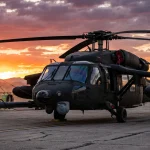
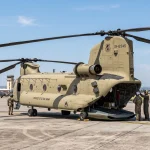
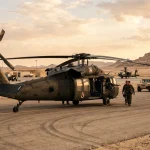
On the heavier side, utility helicopters like the Sikorsky UH-60 Black Hawk or the Boeing CH-47 Chinook can achieve much greater distances due to their larger fuel capacities and more powerful engines. The Chinook, designed for cargo transport, has a range of around 400 miles, while the Black Hawk can reach similar distances, especially when equipped with additional fuel tanks for extended missions.
Military helicopters frequently outperform their civilian counterparts, thanks to advanced technology and engineering designed for endurance and versatility. For example, the AH-64 Apache, combat-tested and deeply integrated into military operations, is noted for its range of approximately 296 miles. Such specifications highlight the helicopter’s ability to undertake long-range engagements and sustain operations in various environments.
Overall, the range of a helicopter hinges not only on its type but also on factors such as payload, altitude, and the efficiency of its engines. Future advancements in materials and fuel technology promise to further enhance these capabilities, making helicopters an exciting area of growth in aviation.
Average Flight Distances by Helicopter Model
The distances that helicopters can cover vary significantly depending on their design, size, and intended function. Understanding these average flight distances allows pilots, operators, and enthusiasts alike to appreciate the capabilities of different helicopter models and plan flights more effectively.
Light helicopters, such as the Robinson R44 and Bell 206, are popular in general aviation for their versatility and efficiency. The R44, renowned for its balance of performance and fuel efficiency, can typically fly around 300 miles before refueling is necessary. Similarly, the Bell 206 offers comparable range capabilities, making it an ideal choice for aerial tours and light transportation.
In contrast, heavier models designed for utility purposes, like the Sikorsky UH-60 Black Hawk and Boeing CH-47 Chinook, generally feature larger fuel tanks and more powerful engines, allowing for much greater operational ranges. The Chinook, known for its cargo capabilities, achieves a flight distance of approximately 400 miles, while the Black Hawk can reach similar distances, especially when outfitted for extended missions.
Military helicopters often boast exceptional ranges, driven by advanced engineering and technology tailored for various missions. For instance, the AH-64 Apache, a formidable combat helicopter, has an operational range of about 296 miles. These specifications underscore the helicopter’s readiness for long-distance engagements within varied environments.
The operational range of a helicopter is influenced by multiple factors, including its design, fuel capacity, and mission type. By considering these averages, pilots and operators can optimize flight plans and operational strategies, enhancing the safety and efficiency of their missions.
Impact of Weather on Helicopter Flight Range
Weather plays a crucial role in determining how far a helicopter can fly efficiently and safely. The dynamics of wind, temperature, precipitation, and visibility can either extend or limit a helicopter’s operational range, making it essential for pilots to understand these factors before embarking on their missions. For instance, flying against strong headwinds can significantly reduce a helicopter’s effective range, while tailwinds can potentially extend it, allowing for longer flight distances.
Wind Conditions
Wind is one of the most significant influences on helicopter flight range. When flying against a headwind, helicopters will consume more fuel and reduce their overall flight distance. Conversely, a favorable tailwind can enhance range by providing additional lift and reducing fuel consumption. For example, a helicopter that might typically achieve 200 miles of flight distance could be limited to just 160 miles when faced with a strong headwind of 20 knots.
Temperature Effects
Temperature affects both helicopter performance and fuel efficiency. Hot weather reduces engine efficiency and can lead to “density altitude” issues, which can impact lift. In high-density altitude conditions (caused by high temperatures or altitudes), helicopter performance can decline and necessitate careful planning. For instance, in summer, a helicopter may struggle in high altitudes, limiting its range. Cold temperatures can enhance engine efficiency but may also require additional precautions like pre-heating engines or managing ice accumulation on rotor blades.
Precipitation and Visibility
Rain, snow, and fog can drastically affect helicopter operations. Heavy precipitation can impair visibility, making it difficult for pilots to navigate and maintain control. Additionally, water accumulation on rotor blades can impact performance, requiring more power to maintain lift. For instance, a pilot might find themselves needing to land early due to decreased visibility from fog, thereby reducing the intended flight range.
Real-World Example
Consider a helicopter on a search and rescue mission in mountainous terrain. If adverse weather conditions such as low visibility and heavy rain are present, the pilot may need to modify the route or altitude, which could significantly affect how far the aircraft can travel safely. Adapting to weather conditions isn’t just about maintaining distance; it’s about ensuring the safety of both the crew and any individuals needing assistance.
By staying informed about weather impacts, helicopter pilots can make better decisions regarding fuel management, route planning, and overall flight safety-ensuring a successful mission regardless of external challenges that weather can present.
The Role of Payload in Range Calculation
The ability of a helicopter to efficiently cover long distances hinges significantly on the weight it carries, known as the payload. Understanding the impact of payload on range is crucial for pilots and operators alike. When a helicopter is loaded with heavier passengers or equipment, its engines must work harder to generate lift, which in turn leads to increased fuel consumption. This dynamic means that every extra pound takes away from the distance a helicopter can fly before needing to refuel.
Payload Definition and Limits
The term “payload” refers to the total weight a helicopter can safely carry, encompassing passengers, cargo, and fuel. Each helicopter model has specific limitations on how much weight it can operate with effectively. Exceeding these limits can not only diminish range but also adversely affect performance and safety. For instance, a helicopter with a maximum gross weight of 5,000 pounds may typically achieve a range of 300 miles. However, loading it to full capacity means sacrificing flight distance due to higher fuel use.
Real-World Considerations
Real-world scenarios highlight how crucial careful payload management is for mission success. For example, during medical emergencies, helicopter operators often face the challenge of balancing life-saving equipment and personnel. A rescue operation with multiple patients will require precise calculations to ensure that the aircraft can complete its journey without running out of fuel. Similarly, for cargo transport, operators must strategically plan weight distributions and either lower payload or refuel mid-flight to reach their destinations safely.
Strategies for Effective Payload Management
To maximize efficiency, pilots should consider the following strategies:
- Pre-Flight Weight Assessments: Conduct thorough checks to ensure the combined weight of passengers and cargo does not exceed limits.
- Fuel Optimization: Plan routes to minimize the need for extra fuel unless necessary, increasing operational range.
- Auxiliary Fuel Tanks: Utilize additional fuel tanks if the mission requires extended travel, allowing for greater payloads.
By implementing these strategies, helicopter operators can significantly enhance their range capabilities without compromising safety or performance. Understanding the interplay between payload and range empowers pilots to make informed decisions, ensuring that every flight is both efficient and effective in its mission objectives.
Maximizing Helicopter Efficiency for Longer Flights
To optimally extend the distance a helicopter can fly, several strategies can be implemented, catered to various operations and conditions. Helicopters aren’t just machines; they are intricate systems that respond dynamically to inputs-be it fuel, weather, or load. One fascinating aspect is the advanced technologies available today, such as fuel-efficient engines and lightweight materials, which are revolutionizing helicopter range capabilities.
One effective practice is route planning. By selecting the most direct paths and allowing for fluctuations in winds, pilots can significantly reduce fuel consumption. Additionally, flying at optimal altitudes can enhance aerodynamic efficiency. Utilizing flight management systems can help in continuously calculating and adjusting for best performance in real-time.
Understanding fuel capacity also plays a critical role in enhancing flight range. Helicopters can be fitted with auxiliary fuel tanks, which provide additional fuel storage without compromising payload capacity. This adaptation can be crucial during long missions, allowing helicopters to carry more fuel while keeping the weight manageable.
Moreover, maintaining a focus on payload management is essential for maximizing efficiency. As highlighted previously, careful assessments before each flight can prevent overloading. Encouraging pilots to balance their load effectively-prioritizing mission-critical equipment over excess gear-will also aid in extending the operational range. Utilizing weight distribution strategies can minimize drag and maximize lift, contributing to smoother flights with less fuel burn.
In summary, involves a multifaceted approach encompassing route optimization, intelligent fuel management, and strategic payload handling. By implementing these best practices, helicopter operators can enjoy the thrill of extended flight times, paving the way for safer and more efficient missions.
Training Requirements for Extended Flight Missions
Training to handle extended flight missions in a helicopter is not just about mastering the controls; it encompasses a range of skills crucial for safety and efficiency. The ability to navigate long distances effectively requires in-depth knowledge of aerodynamics, fuel management, and emergency procedures. Pilots must undergo rigorous training that includes simulated long-range flights, flight planning exercises, and understanding the nuances of helicopter performance.
One key component of pilot training for extended missions is flight planning. Pilots learn to calculate the best routes while considering various factors like wind patterns, weather changes, and potential fuel stops. They practice adjusting their flight paths in real time to optimize fuel consumption and extend their range. For instance, understanding how to utilize prevailing winds can save fuel and increase flight distance, making it a vital skill for pilots undertaking long missions.
To support their flying abilities, pilots also engage in ground school training focused on the technical aspects of their helicopters. This includes familiarization with advanced fuel systems, the integration of auxiliary fuel tanks, and understanding the impact of payload on flight range. Practical exercises may involve loading and unloading cargo to assess weight distribution and its effect on performance. By mastering these concepts, pilots can ensure their aircraft is operated safely and efficiently, minimizing risks during extended flights.
Additionally, pilots are trained in emergency procedures that are particularly crucial during long-distance flights where immediate access to help may not be available. They conduct drills on handling engine failures, navigation system malfunctions, and adverse weather conditions, ensuring they remain calm and decisive under pressure. This preparedness not only enhances pilot confidence but significantly contributes to the safety of long-distance operations.
Ultimately, comprehensive training for extended flight missions is essential for any helicopter pilot aiming to maximize their operational range. By embracing a holistic approach that includes flight planning, technical knowledge, and emergency preparedness, pilots can ensure they are equipped to handle the challenges that come with long-distance flying. Whether aspiring or seasoned, every pilot benefits from a commitment to continuous learning and practice in these critical areas.
Safety Considerations for Long-Distance Helicopter Flights
Long-distance helicopter flights present unique challenges that demand careful attention to safety protocols. For instance, one critical consideration is maintaining an adequate buffer zone around the helicopter during operations. Keeping both crew and ground personnel at least 50 feet away from the rotor systems while in motion is essential, as this distance mitigates the risk of serious injuries from rotor wash or sudden mechanical failures[2]. During long flights, protective measures should be reinforced, ensuring that all participants are well-trained in recognizing the dangers associated with helicopter operations.
Effective flight planning is another cornerstone of safe long-distance travel. Pilots must not only map out their routes based on fuel range but also consider changing weather patterns, air traffic, and potential emergency landing zones. For example, aircraft may need to divert due to unexpected weather conditions, requiring a flexible approach that integrates real-time data and allows for prompt decision-making. Pilots should regularly review their routes for potential hazards and remain vigilant for updates on weather changes, especially when flying over remote or previously unavailable areas.
Even experienced pilots can face sudden challenges during extended flights. Therefore, comprehensive emergency preparedness is crucial. Regular drills that simulate emergencies, such as mechanical failures or medical emergencies, can help pilots and crew to respond swiftly and confidently when real situations arise. This training should encompass communication protocols with ground support and follow directives that can facilitate a safe response to adverse conditions. Engaging in these practices not only fortifies the safety culture but also enhances overall flight confidence.
Lastly, the psychological aspect of long-distance flying is often overlooked. Maintaining mental alertness during extended missions is vital, as fatigue can significantly impair judgment and reaction times. Implementing scheduled rest breaks, fostering teamwork, and utilizing crew resource management can help combat fatigue and ensure all crew members remain focused throughout the flight. With these strategies in place, the safety of long-distance helicopter operations can be significantly enhanced, allowing pilots and crew to enjoy the majestic views and profound sense of adventure these flights provide.
Exploring Technological Advancements in Helicopter Range
Advancements in helicopter technology are revolutionizing the capabilities of these versatile machines, particularly concerning their range and efficiency. Recent innovations have significantly extended the distance helicopters can travel on a single tank of fuel, making them more favorable for long-distance missions, search and rescue operations, and medical emergencies. Among the most notable technological breakthroughs is the development of highly efficient turbine engines, which offer improved fuel consumption rates compared to traditional piston engines. This efficiency directly translates to longer flights, allowing helicopters to cover hundreds of miles without the need for refueling.
Moreover, the integration of advanced aerodynamics and flight control systems has enhanced the overall performance of helicopters. For instance, the X2™ technology developed by Sikorsky has achieved remarkable advancements, reaching speeds twice as high and ranges that are significantly more extended than conventional models. This technology not only boosts speed but also improves stability and maneuverability, making it ideal for complex missions where precision position control is critical. The aerodynamic improvements allow for better lift-to-drag ratios, meaning they can travel farther while consuming less fuel.
To further extend flight distances, helicopter manufacturers are also exploring the use of auxiliary fuel tanks. These tanks can be added to the helicopter’s structure to store additional fuel, effectively increasing the range without compromising the payload capacity. Operators are utilizing these options strategically, depending on the mission requirements, which has become especially crucial in military operations where extended range can greatly impact mission success. Additionally, regular software updates and training on optimizing flight routes can help pilots maximize fuel efficiency, thereby extending the helicopter’s operational range even more.
As we continue to witness rapid advancements in helicopter technology, these capabilities are expected to expand further. With ongoing research into hybrid propulsion systems and more efficient materials for rotor blades and fuselages, the future of helicopter range looks promising. These innovations not only enhance the technical abilities of helicopters but also promise to make them more accessible and effective for a broader range of uses. The potential to fly longer distances efficiently opens doors for exciting new applications, from emergency response to tourism, making helicopter operations even more vital in today’s world.
Comparing Helicopter Ranges: Civilian vs. Military
When examining the differences between civilian and military helicopters, one of the most striking distinctions is their range capabilities. Military helicopters are often designed with mission flexibility in mind, enabling them to excel in extended flight operations, which can be critical during rescues, reconnaissance, or combat duties. For example, the Leonardo AW101 military helicopter boasts a maximum range of approximately 932 miles, a significant advantage over many civilian models[[1](https://www.slashgear.com/1897600/helicopter-longest-range-how-far/)].
Key Differences in Design and Functionality
Military helicopters typically incorporate larger fuel tanks and advanced engineering to support extended missions. This is not merely for endurance; it allows them to operate under various conditions, including heavier payloads and rough terrains. On the other hand, civilian helicopters prioritize comfort, cost-efficiency, and safety for transport and tourism, which can limit their range. While models like the Airbus H225 can achieve around 702 miles, their configurations often cater more to passenger comfort and less to the rugged operational needs found in military settings[[1](https://www.slashgear.com/1897600/helicopter-longest-range-how-far/)].
Another pivotal aspect is how both sectors utilize technology. Military helicopters frequently adapt cutting-edge advancements in aerodynamics and fuel efficiency, incorporating features that might still be in the experimental stages for civilian models. This includes stratified fuel management systems and optimized flight routing, which can extend their range significantly compared to civilian counterparts.
Real-World Applications
The operational need determines how helicopter range is utilized. Military units may deploy platforms like the Boeing CH-47 Chinook, known for its heavy-lift capabilities and impressive operational distance, in remote scenarios where fuel supply lines might be compromised. Meanwhile, civilian operators focus on maximizing distance for commercial flights, air tours, and medevac missions, where efficiency translates to faster response times and higher profit margins.
In summary, while both civilian and military helicopters are remarkable feats of engineering, the fundamental differences in their design, intended use, and the technology employed highlight a broader spectrum in capabilities, particularly in range. Understanding these distinctions can provide insight for enthusiasts and aspiring pilots alike, showcasing the diverse applications of helicopters in our modern world.
Frequently asked questions
Q: How does a helicopter’s fuel capacity influence its range?
A: A helicopter’s fuel capacity is crucial for determining its range. Generally, helicopters can fly between 250 to 400 miles on a single tank, depending on the model, load, and fuel efficiency. Higher fuel capacity typically enables longer flights, especially when optimized with lighter payloads and favorable weather conditions.
Q: What factors limit the distance a helicopter can fly?
A: Several factors limit a helicopter’s flying distance, including fuel capacity, payload weight, and weather conditions. Additionally, route planning and operational efficiencies play roles in maximizing possible travel distances. Keeping weight minimal and using fuel-efficient techniques can help extend flight range.
Q: Are there helicopters specifically designed for long-range travel?
A: Yes, some helicopters are specifically designed for long-range travel, featuring advanced aerodynamics and increased fuel efficiencies. Models like the Sikorsky S-92 and the Eurocopter EC175 are known for their extended ranges, catering to offshore transport and long-distance missions.
Q: How do different types of helicopters compare in terms of range?
A: Helicopter types vary significantly in range. Light helicopters may travel around 250 miles, while heavy-lift and transport helicopters can exceed 400 miles. Factors like design, maintenance, and engine type influence their performance and maximum range capabilities.
Q: How does weather affect helicopter flight distance?
A: Weather can substantially impact a helicopter’s flight distance. Adverse conditions like strong winds, rain, or fog can reduce range and efficiency. Pilots must constantly assess weather forecasts to ensure safe and effective route planning during flights.
Q: Can helicopter models accommodate longer flights through modifications?
A: Yes, many helicopter models can be modified for longer flights by enhancing fuel capacity and optimizing weight distribution. Upgrades like larger fuel tanks or installing more efficient rotor systems can significantly improve their travel capabilities.
Q: How does payload weight impact helicopter range?
A: Payload weight directly affects a helicopter’s range; the heavier the load, the more fuel is consumed and the shorter the effective travel distance. To maximize range, pilots should minimize unnecessary weight while distributing cargo evenly to maintain stability.
Q: What advancements are being made in helicopter range technology?
A: Technological advancements in helicopter design focus on improving fuel efficiency, aerodynamics, and engine performance. Innovations such as hybrid-electric propulsion and advanced rotor designs promise to enhance operational range and potentially reduce environmental impact, making future flights longer and more sustainable.
Final Thoughts
As we’ve explored, helicopters boast impressive range capabilities that can vary significantly based on their type and mission. From the nimble Robinson R44 to robust military models like the Sikorsky UH-60 Blackhawk, these versatile machines can travel anywhere from 250 to over 500 miles on a single tank, making them invaluable in rescue, medical, and transport roles. If you’re captivated by the world of aviation, don’t miss our articles on helicopter safety tips and the latest advancements in aviation technology.
Ready to delve deeper into the fascinating realm of helicopters? Sign up for our newsletter for expert insights and updates straight to your inbox! Have questions or experiences to share? We encourage you to join the conversation in the comments below. Explore further, where every click opens a new aerial adventure. Your curiosity in aviation opens doors to endless possibilities-let’s keep soaring together!
Get our latest guides, news, and insights highlighted in your Google Search & AI Overviews.