Did you know that the Sikorsky R-4, introduced in the 1940s, was the world’s first mass-produced helicopter? Understanding how long a helicopter can fly and the factors influencing fuel and time limits is crucial for pilots, aviation enthusiasts, and even emergency responders. This knowledge not only enhances operational efficiency but also ensures safety in various missions, from medical emergencies to search and rescue operations. The duration a helicopter can remain airborne hinges on multiple elements, including fuel capacity, design specifications, and payload. As we dive deeper, you’ll discover insights about different helicopter models, their flight endurance, and best practices for maximizing flight time. Whether you’re an aspiring pilot, a seasoned aviator, or simply curious about the dynamics of flight, understanding these parameters can enhance your appreciation of these remarkable machines and their capabilities. Stay curious as we explore the fascinating world of helicopter flight times and fuel management!
How Helicopter Flight Time Is Measured
Measuring helicopter flight time involves understanding how fuel consumption correlates with flying hours and operational limitations. Unlike fixed-wing aircraft, helicopters operate under specific parameters that influence their endurance and range. Flight time is typically tracked using a combination of instruments that monitor fuel levels, flight duration, and engine performance, ensuring pilots can maintain safe operational practices.
One primary method for calculating flight time is by monitoring the helicopter’s fuel flow rate. Pilots use this data, alongside the aircraft’s total fuel capacity, to estimate the maximum flight duration. For example, a helicopter with a fuel capacity of 400 liters and a consumption rate of 80 liters per hour can theoretically fly for five hours under optimal conditions. However, actual flight times are often shorter due to factors like reserve fuel requirements and tactical mission profiles.
In addition to fuel metrics, flight time is also influenced by the type of mission. For instance, emergency medical services (EMS) helicopters, which require rapid response capabilities, might prioritize shorter flight times but higher operational readiness, while cargo transport helicopters may plan for longer endurance on supply runs. Each flight is meticulously planned, taking these variables into account to maximize safety and efficiency.
Given how crucial accurate measurement is, pilots and operators utilize flight logs and tracking technology to provide real-time data on flight duration. This comprehensive approach not only aids in operational planning but also in regulatory compliance, ensuring that all missions adhere to aviation standards governing time and fuel management in rotary-winged flight.
Understanding Helicopter Fuel Capacity

Understanding how fuel capacity impacts helicopter flight can unveil the secrets behind these remarkable machines. Fuel capacity not only determines how long a helicopter can fly but also affects its overall mission capabilities. A helicopter’s fuel tank typically holds anywhere from a few hundred to several thousand liters of aviation fuel, depending on its size and purpose. This capacity plays a crucial role in defining its endurance in the air.
One of the most significant aspects of fuel capacity is its relationship with fuel consumption rates. Helicopters consume fuel at varying rates depending on their design and operating conditions. For instance, a small utility helicopter may burn around 60 to 120 liters per hour, while larger models, especially those used for heavy lifting or long-distance transport, can consume significantly more. Pilots often calculate the potential flight time by dividing the total fuel capacity by the fuel burn rate, but this calculation must always factor in the need for reserve fuel-typically 20% of total fuel capacity-to ensure safety in case of emergencies.
Factors such as weight, altitude, and even outside temperature can influence how efficiently a helicopter uses its fuel. For example, flying at higher altitudes generally necessitates a higher power output from the helicopter’s engine, which can increase fuel consumption. Similarly, carrying additional payload can further strain the fuel reserves, reducing the overall flight duration. Pilots must be astute at calculating these variables to optimize missions, ensuring that they have enough fuel for both the journey and any necessary contingencies.
Additionally, advancements in technology are continuously reshaping how fuel capacity and consumption are approached. Modern helicopters are increasingly equipped with sophisticated fuel management systems that provide real-time data on fuel status and consumption. Such innovations not only enhance safety by helping pilots make informed decisions but also contribute to better flight planning, enabling helicopters to achieve their maximum potential in terms of endurance and range. Understanding these dynamics is crucial for anyone looking to appreciate the capabilities of helicopters or aspiring to a career in aviation.
Factors Influencing Helicopter Flight Duration
Flying high above the ground, helicopters can seem almost magical, effortlessly hovering and maneuvering through the air. However, the reality of helicopter flight is complex, largely governed by a multitude of factors that can significantly influence flight duration. Understanding these elements not only appeals to aviation enthusiasts but also helps aspiring pilots and operators optimize their missions.
One of the primary influences on flight duration is the helicopter’s weight. This includes not only the helicopter’s own weight but also any additional payloads it carries, such as passengers, cargo, or equipment. As the weight increases, the engine has to work harder, leading to higher fuel consumption and shorter flight times. Even minor additions to weight can have a substantial impact on performance. Pilots must carefully calculate total takeoff weight before each flight to ensure safety and efficiency.
Another critical factor is altitude. As helicopters ascend to higher altitudes, the atmosphere becomes thinner, which can lead to decreased engine performance. This decrease often requires more power to maintain lift, thereby increasing fuel consumption. For instance, a helicopter that performs well at sea level may struggle and consume more fuel when flying at elevations above 5,000 feet. Pilots should be keenly aware of altitude-related challenges and plan their routes accordingly.
Environmental conditions, including temperature and weather patterns, further influence flight duration. Hot days reduce air density, leading to potential performance issues, while windy conditions can either assist or hinder flight, depending on wind direction and intensity. For example, headwinds may decrease flight speed and increase fuel use, whereas tailwinds may facilitate longer distances with less fuel burnt. Pilots must conduct thorough pre-flight weather briefings and adjust their flight plans as needed to account for these variables.
Finally, advancements in technology are continuously reshaping how helicopters manage these influences. Modern aircraft are equipped with sophisticated avionics that track real-time data on fuel consumption and flight conditions. This technology empowers pilots with essential information, allowing them to make informed decisions during flight and enhance overall operational efficiency. As innovations in helicopter design and engineering progress, the potential for longer flight durations while maintaining safety standards continues to improve.
In summary, various interconnected factors such as weight, altitude, environmental conditions, and technology play pivotal roles in determining how long a helicopter can sustain flight. Understanding these elements equips potential pilots, aviation enthusiasts, and operators with the knowledge needed to maximize flight efficiency and safety in their aerial adventures.
Average Flight Range of Popular Helicopter Models

The flight range of helicopters varies significantly depending on the model and its intended purpose. Understanding the capabilities of different helicopter types can aid pilots, operators, and aviation enthusiasts in grasping how far these versatile machines can travel before needing to refuel.
Popular civilian helicopters generally have a flight range of between 200 to 450 miles. For example, the Bell 206 JetRanger, a commonly used light helicopter, boasts a range of approximately 350 miles, making it ideal for aerial tours and commuter flights. In contrast, larger helicopters, such as the Sikorsky S-76, can extend their reach to around 450 miles, suitable for offshore transport and VIP services. These helicopters are designed not just for range but also for passenger comfort, proving essential in corporate aviation and emergency medical services.
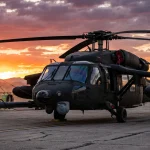
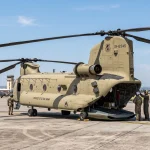
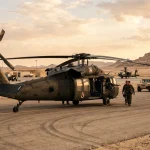
When we consider military helicopters, the specifications shift towards enhanced endurance and operational capabilities. The UH-60 Black Hawk, for instance, can operate with a range of approximately 400 miles, while more specialized models, like the CH-47 Chinook, can achieve ranges up to 600 miles with external fuel tanks. The ability to carry larger payloads and operate in challenging conditions often makes military helicopters more versatile in long-range scenarios than their civilian counterparts.
Ultimately, the factors influencing helicopter flight range include fuel capacity, weight, aerodynamics, and the efficiency of the rotor system. Advancements in technology further optimize these parameters, allowing newer models to cover longer distances while maintaining safety and performance. Keeping these distinctions in mind enables aspiring pilots and aviation professionals to select the right helicopter for their specific needs, ensuring effective and efficient flights.
Comparing Civilian vs. Military Helicopter Flight Limits
Civilian helicopters often have a more versatile range of operational limits compared to their military counterparts, which are engineered for high endurance and specialized missions. For instance, civilian helicopters like the Bell 206 JetRanger and Sikorsky S-76 are designed with comfort and passenger experience in mind, typically boasting flight ranges of approximately 350 to 450 miles. This makes them ideal for short to medium-range travel, aerial tours, and medical evacuations, focusing on efficiency and ease of use within urban areas and corporate settings.
In stark contrast, military helicopters, such as the UH-60 Black Hawk and the CH-47 Chinook, prioritize operational capabilities and resilience in demanding environments. The Black Hawk can fly up to 400 miles, but when outfitted with external fuel tanks, the Chinook can extend its range to nearly 600 miles, enabling long-range troop deployments and logistical support. This emphasis on range and payload capacity allows military helicopters to perform complex missions over vast distances while navigating through challenging conditions and potentially hostile environments.
Understanding these differences highlights the importance of mission purpose in determining helicopter flight limits. Civilian helicopters typically seek efficiency and passenger comfort, while military models reinforce durability and tactical flexibility. This distinction not only impacts the design and capabilities of the helicopters but also dictates the strategic roles they play in their respective sectors. Knowledge of these differences helps aspiring pilots and aviation enthusiasts appreciate the broad spectrum of helicopter functionalities and their applications in both civilian and military aviation.
The Role of Weather in Helicopter Flying Time
Flying a helicopter is a delicate dance between engineering and the natural elements, with weather playing a crucial role in determining both flight safety and duration. Helicopters are designed to be agile and versatile, capable of maneuvering through a variety of conditions; however, flying in adverse weather can significantly impact operational parameters. Factors like wind speed, precipitation, temperature, and visibility directly affect not only the effectiveness of the helicopter’s lift but also its overall flying time.
Strong winds can challenge a helicopter’s stability, forcing pilots to adjust their flight paths or even postpone flights altogether. For instance, high crosswinds can lead to increased fuel consumption as pilots compensate with more power, which may shorten the effective flight duration. Additionally, thunderstorms present a double threat: not only can lightning strike during a storm, but turbulent air currents can also make flying hazardous, urging helicopters to land sooner than planned to ensure safety.
Visibility conditions are equally critical. Fog, heavy rain, and snow can obscure a pilot’s view of the ground and nearby obstacles, necessitating compliance with instrument flight rules (IFR) which can limit flying time. In low visibility scenarios, helicopter pilots may have to adhere to stricter regulations, often leading to longer waiting times until conditions improve.
Understanding these dynamics helps aspiring pilots prepare for the unpredictability of flying and emphasizes the importance of weather checks before and during flights. With the advent of advanced forecasting technology, pilots can now access real-time weather data, significantly enhancing their decision-making process regarding flight plans. By honing their skills to adapt to changing conditions, pilots not only ensure safer operations but also maximize the time they can spend in the air, showcasing the remarkable capabilities that helicopters offer in the face of natural challenges.
Tech Innovations Increasing Helicopter Range
Recent advancements in helicopter technology have significantly expanded the capabilities of these versatile aircraft, allowing them to fly longer and more efficiently than ever before. One of the most critical components influencing helicopter range is its engine performance. Modern helicopters are equipped with advanced turbine engines that provide greater power-to-weight ratios and improved fuel efficiency. This means they can fly longer distances on a single tank of fuel while maintaining peak performance.
Engine Innovations
Several manufacturers have begun utilizing more sophisticated engines that incorporate dual-channel FADEC (Full Authority Digital Engine Control). This technology not only enhances fuel management but also optimizes engine performance based on flight conditions. By automatically adjusting fuel flow and engine settings, these systems allow helicopters to operate more efficiently, often increasing flight range by as much as 10% compared to older models.
Lightweight Materials
Another game-changer in helicopter design is the use of composite materials for rotor blades and airframes. These materials are both lighter and more durable than traditional metals, reducing the overall weight of the helicopter. A lighter helicopter requires less power to achieve lift, which in turn decreases fuel consumption. For instance, the Bell 505 Jet Ranger X utilizes advanced composite rotor blades, allowing for higher efficiency and extended flight times.
Advanced Aerodynamics
Aerodynamic improvements have also played a vital role in increasing helicopter range. Innovations in rotor design, such as blended wings and higher aspect ratio blades, minimize drag and enhance lift. These developments not only contribute to better fuel economy but also improve hovering and cruise characteristics. The Sikorsky S-92, for example, incorporates these aerodynamic enhancements, providing operators with increased range and operational flexibility.
Fuel Options and Technology
The exploration of alternative fuel sources, such as biofuels and hydrogen fuel cells, is paving the way for the future of helicopter aviation. These clean-burning fuels can reduce dependence on traditional fossil fuels and lower operating costs. Additionally, ongoing research in battery technology aims to usher in the era of electric helicopters, which promise to revolutionize range capabilities. For instance, the ongoing development of the H160 by Airbus incorporates hybrid technology, which could potentially double the operational range of conventional helicopters in the near future.
The combination of these technological innovations not only enhances the flight range of helicopters but also ensures safer, more efficient operations, thus attracting greater interest from both civilian and military sectors. As helicopters become increasingly capable, the potential for new mission profiles and operational uses expands, making them indispensable tools in various fields, from emergency services to oil and gas exploration.
Economic Impact of Fuel Consumption in Helicopters

The rising cost of aviation fuel significantly impacts helicopter operations, making fuel consumption a crucial consideration for operators and pilots alike. With fuel costs representing a substantial part of operational expenses, understanding the economic implications can help organizations optimize their flight plans and budgets effectively. For instance, it’s estimated that fuel expenses can account for over 30% of the total operational costs of civilian helicopters, underscoring the importance of efficiency.
Fuel Efficiency and Economic Viability
Investing in fuel-efficient technology is not merely a matter of performance; it directly correlates with profitability. Choices in aircraft design, such as lightweight materials and advanced aerodynamics, enable helicopters to consume less fuel over time. For example, helicopters like the Eurocopter EC135 have been lauded for their fuel efficiency, allowing operators to extend their range while minimizing costs. As the aviation sector transitions towards greener technologies, the shift to alternative fuels like biofuels may further reduce fuel-related expenses, offering more sustainable operations and potentially lowering costs in the long run.
Operational Strategies to Reduce Costs
Helicopter operators can employ various strategies to mitigate fuel expenses. Implementing optimal flight planning techniques-such as choosing direct flight paths and managing altitude changes-can significantly reduce fuel consumption. Training pilots on fuel-efficient flying techniques, including smooth acceleration and descents, can also yield noticeable savings. Additionally, routine maintenance ensures that engines operate at peak efficiency, further extending the range and time a helicopter can be airborne without additional refueling.
Future Outlook and Innovations
As the industry evolves, the continuous development of technologies focused on fuel consumption promises to reshape the operational landscape for helicopters. Innovations like hybrid electric systems and more efficient turbine engines show promise in reducing dependence on traditional fuels, thus alleviating the financial burden on operators. Ultimately, these advancements not only enhance economic viability but also contribute to the broader goals of sustainability and environmental responsibility within the aviation community. Keeping an eye on these trends can help aspiring pilots and seasoned professionals alike understand the future of helicopter operations.
Safety Protocols for Extended Helicopter Flights
When it comes to extended helicopter flights, safety protocols are paramount. The unique dynamics of helicopter operation, paired with the potential for lengthy airtime, require comprehensive measures to ensure safety. Effective planning and preparedness can make the difference between a successful mission and an emergency situation.
One critical aspect of safety for long-duration flights is thorough pre-flight planning. Pilots should evaluate not only the helicopter’s fuel capacity and expected consumption rates but also develop contingency plans for potential emergencies. This includes identifying suitable landing zones and alternate routes should unexpected weather or mechanical issues arise. Pilots should be well-versed in the specifics of their helicopter model, as different aircraft have varying performance characteristics that dictate optimal flying conditions and maximum endurance.
Maintaining communication with ground control or a flight operations center is also essential during extended flights. Regular updates regarding position, fuel status, and any changes in flight plans help ensure safety and allow for immediate response if conditions change. Utilizing real-time weather monitoring tools can further enhance safety, enabling pilots to be aware of and avoid adverse conditions that may shorten flight time or compromise safety.
Moreover, adhering to rigorous maintenance schedules is crucial for long-range helicopter operations. Properly maintained engines and rotors maximize performance and fuel efficiency, significantly lowering the risk of in-flight failures. Following the manufacturer’s guidelines for maintenance checks and repairs can prevent issues that might otherwise arise during lengthy operations.
Lastly, crew resource management plays a significant role in safety during extended flights. Effective communication and decision-making within the crew enhance situational awareness and allow for timely responses to any challenges. Training sessions focused on emergency protocols and teamwork can prepare the crew for handling high-pressure situations, thereby ensuring that extended missions are executed safely and efficiently.
In conclusion, optimizing involves meticulous planning, real-time communications, rigorous maintenance, and effective crew dynamics. By paying heed to these considerations, pilots can not only maximize their flight time but also ensure they operate within a safe framework, ultimately safeguarding the lives of everyone onboard.
Tips for Maximizing Flight Time on a Helicopter

To make the most of every helicopter flight, whether for personal use or professional missions, several strategies can enhance flight time and efficiency. Understanding the intricacies of fuel consumption and operational limits is essential for maximizing helicopter airtime while ensuring safety and reliability.
One effective way to maximize flight time is by carefully planning your route. Consider directness and avoid unnecessary maneuvers that can waste fuel. Using GPS navigation systems can help plot efficient paths that minimize distance and time. Planning for altitude adjustments can also be beneficial; flying at optimal altitudes can reduce drag and improve fuel efficiency.
Another crucial factor is managing weight. Helicopters have strict weight limits, and every pound counts towards fuel consumption. Here are some practical tips:
- Limit passengers and cargo: Only bring essential items. Extra weight not only impacts fuel consumption but can also affect performance.
- Schedule regular maintenance: Ensure your helicopter is in top condition. Routine checks on the engine and rotor systems help maintain fuel efficiency and flight safety.
- Monitor fuel levels: Keeping a close eye on fuel usage can help anticipate landings and potential refueling needs.
It’s also important to stay informed about weather conditions. Adverse weather can affect helicopter performance and flight time. Utilize weather tracking tools to avoid storms and unfavorable flight areas. Discuss bottom-line forecasts in your flight planning sessions to adjust your paths accordingly-sometimes, it may even make sense to postpone flights until conditions improve.
Engaging in continuous learning and training can significantly aid pilots. Practicing emergency procedures and decision-making can enhance situational awareness, allowing pilots to make more informed choices that maximize efficiency during unexpected situations.
Lastly, adopting the latest technological innovations in helicopter design and navigation can also extend flight durations. With advancements in fuel efficiency and lightweight materials, newer helicopter models may offer better range and lower operational costs. Always keep up with industry trends that can provide your operations with a technological edge.
By implementing these strategies, pilots can significantly extend their flight time while ensuring safety and performance remain the top priority.
Common Misconceptions About Helicopter Flight Limits
Misunderstandings about helicopter flight limits can often lead to confusion among both enthusiasts and casual observers. Many people assume that helicopters can fly for extended periods without considering their fuel capacity and operational constraints. In reality, the flight duration is quite limited and heavily influenced by factors such as fuel load, payload, and external conditions.
One common myth is that helicopters have similar range capabilities as airplanes. While helicopters are incredibly versatile and can perform a range of tasks in various environments, they generally have a much shorter range. Most helicopters operate optimally in the 300 to 600 nautical mile range, depending on the model and mission requirements. This limitation is primarily due to their fuel consumption rates, which can vary significantly with weight and weather conditions. For example, a heavily loaded helicopter or one flying against strong winds will consume fuel more rapidly, reducing overall flight time.
Another misconception is that all helicopter models have the same fuel capacity and efficiency. In reality, different helicopters are designed for various purposes-some are meant for short hops in urban environments, while others, like the Sikorsky CH-53, are engineered for long-range military missions, featuring larger fuel tanks. Aspiring pilots should familiarize themselves with the specifications of the helicopter they intend to fly. Understanding how weight affects fuel consumption and performance is crucial for effective flight planning.
Finally, there’s a belief that helicopters can fly indefinitely as long as there’s fuel. However, operational limits also include safety and regulatory considerations. Pilots must adhere to strict guidelines regarding continuous flight hours and mandatory rests to ensure both the crew’s safety and the helicopter’s mechanical integrity. Misjudging these limits can lead to dangerous situations. It’s essential for pilots to keep in mind not just how long they can fly, but how to plan their routes efficiently and safely, considering all operational parameters that impact flight duration.
Planning Helicopter Pilots: Fuel and Time Considerations
To maintain optimal performance and ensure safety during flight, helicopter pilots must meticulously plan fuel and time considerations. One fundamental aspect of this planning involves calculating the helicopter’s total fuel capacity relative to the anticipated mission profile. For instance, the Bell 206 has a fuel capacity of approximately 50 gallons, which translates into a flight duration of around 3 to 4 hours, depending on operational conditions and payload. Thus, it’s crucial for pilots to understand how much of this fuel is necessary for a round trip or extended flights to prevent emergencies due to unexpected fuel shortages.
When planning a flight, pilots should take into account various factors that affect fuel consumption. The weight of the helicopter-including passengers, cargo, and any equipment-can significantly impact its flight duration. For example, a fully loaded Sikorsky S-76 may experience reduced efficiency compared to one with a lighter load, leading to shorter flight times. Weather conditions are another critical element; gusty winds and adverse weather can not only lead to increased fuel usage but can also necessitate a change in flight plan, further complicating fuel management.
It is also vital for pilots to stay updated with specific operational regulations regarding flight time limits and rest periods. Regulatory bodies, such as the FAA, stipulate maximum flight hours to ensure pilot fatigue doesn’t compromise safety. This involves strategic route planning, allowing time for potential delays or in-flight adjustments, and setting conservative estimates for fuel reserves. A helpful practice is adopting a fuel management strategy that includes a buffer zone-maintaining additional fuel reserves beyond what is estimated for the flight can provide a crucial safety net for unexpected challenges.
In conclusion, successful helicopter flight planning revolves around an intricate balance of fuel management, understanding helicopter performance, and adherence to safety regulations. By approaching each flight with detailed knowledge and a proactive planning mindset, pilots can maximize their operational efficiency while ensuring safe and enjoyable flying experiences.
Faq
markdown
Q: How long can helicopters fly on a full tank of fuel?
A: Helicopters can typically fly for 2 to 6 hours on a full tank of fuel, depending on the model and its fuel capacity. For example, popular models like the Bell 206 can fly for approximately 4 hours, while larger helicopters can extend this to up to 6 hours.

Q: What factors affect helicopter flight duration?
A: Several factors influence helicopter flight duration, including weight, weather conditions, altitude, and fuel capacity. Heavier loads and adverse weather can significantly reduce flight time, while optimal conditions can maximize it.

Q: Do all helicopters have the same fuel efficiency?
A: No, fuel efficiency varies significantly among helicopter models due to differences in design, engine type, and intended use. For instance, military helicopters are often built for versatility and power, which may lead to lower fuel efficiency compared to civilian models designed for economy.

Q: How can pilots maximize helicopter flight time?
A: Pilots can maximize flight time by managing weight, optimizing flight path, and maintaining proper engine performance during flight. Additionally, refueling strategies and choosing ideal weather conditions contribute to longer flight durations.

Q: What is the average flight range of various helicopter types?
A: The average flight range varies by type: light helicopters can cover about 250 miles, while medium helicopters can fly up to 700 miles. Heavy-lift helicopters are designed for longer ranges, sometimes exceeding 1,000 miles depending on their fuel capacity and load.

Q: How does the weight of a helicopter affect its fuel consumption?
A: The weight of a helicopter has a significant impact on its fuel consumption; the heavier the helicopter, the more power is needed to maintain flight. This increased demand results in higher fuel consumption, which can limit overall flight duration.

Q: Are there different fuel types used in helicopters?
A: Yes, most helicopters use aviation gasoline (AvGas) or jet fuel (Jet-A). The type of fuel used depends on the helicopter's engine design; piston-engine helicopters typically use AvGas, while turbine-engine models generally utilize Jet-A.

Q: Can helicopters fly farther in good weather conditions?
A: Yes, helicopters can fly farther and more efficiently in good weather conditions. Favorable conditions reduce fuel consumption and allow for sustained flight at optimal speeds, maximizing overall range and minimizing risk factors related to adverse weather.
Closing Remarks
Understanding how long a helicopter can fly based on fuel and time limits is crucial for pilots, enthusiasts, and anyone interested in aviation. This knowledge empowers you to make informed decisions, whether you’re planning a trip or considering a career in helicopter operations. Remember, factors like helicopter type and usage significantly impact flight duration.
Are you curious about the different helicopter types or what it takes to become a pilot? Explore our articles on helicopter types and Get our latest guides, news, and insights highlighted in your Google Search & AI Overviews.