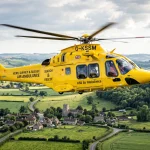
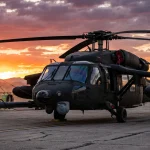
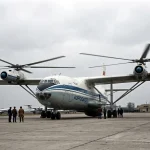
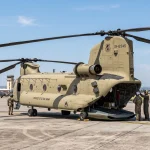
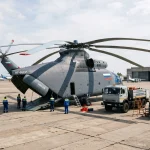
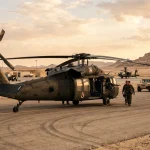
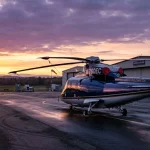
Can a helicopter fly to the top of Mount Everest? This intriguing question sparks curiosity about the limits of aviation technology and the capabilities of helicopters. With Everest towering at a staggering 29,032 feet, the challenges of altitude, temperature, and air density invite both wonder and concern. For aviation enthusiasts, understanding whether helicopters can conquer such heights sheds light on the intricacies of rotorcraft performance and piloting skills. As we explore the technical limits, safety considerations, and real-life attempts to reach Everest’s summit by air, we honor the lives and risks of those who push these incredible machines to their extremes. Join us on this journey as we uncover the truth about flying a helicopter to the top of the world, blending thrilling adventure with essential insights into helicopter aviation.
Can Helicopters Reach Mount Everest? An Overview
The dream of flying to the top of Mount Everest is tantalizing, yet it presents extraordinary challenges. While helicopters possess remarkable capabilities, reaching Everest’s summit, which stands at 29,032 feet (8,848 meters), is a feat well beyond what most standard helicopters can achieve.
At these extreme altitudes, atmospheric pressure decreases significantly, impacting engine performance and resulting in reduced lift. Many helicopters can operate effectively up to about 15,000 to 20,000 feet, but the environment above this range poses inherent challenges. The thin air demands specialized design and powerful engines. Notable models, like the Eurocopter AS350 Écureuil, have historically achieved remarkable ascents, proving that under specific ideal conditions, helicopters can reach altitudes near Everest. However, these flights are often limited and require optimal weather conditions, skilled pilots, and the right helicopter model.
When it comes to actual landings on Everest, history remembers the few successful attempts. Despite these achievements, most rescue missions or logistical support do not involve landings at the summit, rather at lower elevations where conditions are less severe, illustrating the limitations even the best helicopters face in extreme environments. Thus, while helicopters can approach the heights of Mount Everest, their full capabilities are constrained by the harsh realities of high-altitude aviation.
The Science of Helicopter Flight at High Altitudes
Flying at extreme altitudes poses unique challenges to helicopter performance, captivating enthusiasts and engineers alike. As aircraft ascend, the reduction in atmospheric pressure leads to decreased engine efficiency and lift capabilities. At sea level, helicopters benefit from rich and dense air, which facilitates powerful rotor lift. However, as helicopters climb higher, air becomes thinner, making it increasingly difficult for the rotors to generate enough lift to counteract their weight. This fundamental principle is crucial for understanding why typical helicopters struggle to operate effectively near the summit of Mount Everest.
Helicopters generally reach their maximum operating altitudes-often between 15,000 and 20,000 feet. Notable models, such as the Eurocopter AS350 Écureuil and the Bell 407, have showcased impressive feats at high elevations. These aircraft are designed with powerful engines and light frames that can tolerate the challenging conditions better than others. The AS350 has even completed ascents to around 23,000 feet under optimal conditions. However, the successful operation at such altitudes relies not just on the helicopter’s design but also on several key factors:
- Pilot Skill: Experienced pilots are essential for navigating extreme environments, possessing knowledge of mountain flying techniques and establishing safety protocols.
- Flight Conditions: Weather plays a significant role; stable air and clear skies are vital for any high-altitude flight, as turbulence can amplify risks.
- Aircraft Configuration: Modifications, like the use of turbocharged engines and lightweight materials, can improve performance when facing reduced air density.
High-altitude flight isn’t just about design and capability; it also involves understanding the physiological impacts on pilots and passengers. Reduced oxygen levels at greater heights require careful consideration of supplemental oxygen use to prevent hypoxia, which can impair cognitive function and reaction times. It’s a dance of engineering and human performance, intertwining technical mastery with a deep respect for the mountain environment.
Ultimately, while helicopters can soar impressively high, their operational ceiling limits prevent them from reaching the very top of Everest. The quest to conquer such altitudes is ongoing, but understanding the science behind high-altitude helicopter flight forms the foundation for these daring attempts.
Factors Affecting Helicopter Performance in Extreme Altitudes
Flying at extreme altitudes presents an intriguing challenge for helicopters, especially when it comes to the lofty heights of Mount Everest. As helicopters ascend, several interconnected factors significantly impact their performance, primarily due to the thinning atmosphere. At higher altitudes, the reduced air density affects the rotors’ ability to generate lift, a crucial element for helicopter operation. This struggle against the natural limitations of physics underscores why reaching the summit of Everest is such a formidable task for any helicopter.
Altitude and Air Density
At sea level, helicopters operate in denser air, which provides ample lift for their rotor blades. However, with every 1,000-foot increase in altitude, air density decreases, directly affecting lift. By the time a helicopter reaches around 18,000 feet, it can lose approximately 30% of its lift capability compared to sea level. As a result, every increment in altitude makes it progressively more challenging for the craft to stay airborne. This loss of lift is compounded at extreme altitudes, making it vital for pilots to employ well-honed skills and experience to manage the aircraft effectively.
Engine Performance
Engine efficiency also suffers at high altitudes. Helicopters typically rely on internal combustion engines that require oxygen to function optimally. As oxygen levels decrease, engine performance diminishes, which can lead to reduced power output. This relationship between altitude and engine efficiency means that helicopters must be specially designed or modified to perform adequately in such harsh environments. For example, turbocharged engines can maintain performance at higher altitudes by compressing the intake air, thus helping to offset some of the aerodynamic challenges.
Pilot Training and Experience
The skill and experience level of the pilot cannot be overstated. Navigating high-altitude, often turbulent conditions requires not only technical flying skills but a deep understanding of mountain flying strategies. Pilots must be prepared for sudden changes in weather and the unique challenges posed by Everest’s terrain. Knowledge of emergency procedures is essential, as is familiarity with using supplemental oxygen to combat hypoxia, which can impair judgment and reaction times in low-oxygen conditions.
Other Critical Factors
Additionally, external conditions such as weather instability can significantly impact performance. Helicopters require clear visibility and stable air to operate safely. Turbulent weather can create hazardous flying conditions, which pose further risks when operating in such extreme environments.
In summary, understanding the myriad factors affecting helicopter performance at extreme altitudes sheds light on why reaching the summit of Mount Everest is a complex and demanding endeavor. From the physics of lift to the effects of engine efficiency and the crucial role of pilot expertise, all these elements interplay intricately in the high-stakes environment of high-altitude flying.
Helicopter Design Features for High-Altitude Survival
Designing helicopters for high-altitude operations, such as those experienced on Mount Everest, involves innovative engineering and specialized features that address the unique challenges of extreme elevations. At altitudes exceeding 25,000 feet, the ambient air pressure and oxygen levels become critically low, making traditional helicopter designs inadequate. Therefore, helicopter manufacturers have studied and implemented several key design features to enhance performance and safety in these demanding environments.
One critical aspect is the rotor system design. Helicopters intended for high-altitude flights often have larger rotor blades with an enhanced airfoil to optimize lift in thin air. These rotor blades are typically made from lightweight, high-strength materials that resist bending and maintain performance during turbulence. Additionally, variable pitch rotor systems allow pilots to adjust the angle of the rotor blades during flight, maximizing lift under different atmospheric conditions.
Engine Modifications
The engine is another vital component in high-altitude helicopter design. Most helicopters use piston or turbine engines that require sufficient oxygen for combustion. Turbocharged engines are particularly suitable for high-altitude operations, as they compress intake air to maintain optimal performance despite decreasing oxygen levels. Newer models may also incorporate dual-engine configurations or advanced propulsion technology to provide the necessary power without compromising safety.
Advanced Avionics and Safety Systems
Safety is paramount when flying in the unpredictable terrain of Everest. High-altitude helicopters are equipped with state-of-the-art avionics systems that provide critical data in real-time, including altitude, airspeed, and engine performance. These systems can help pilots make quick decisions amidst rapidly changing weather conditions. Moreover, enhanced navigation tools and autopilot capabilities enable safer operations during challenging flights, where visibility might be limited.
- Lightweight Materials: Use of composite materials reduces overall weight, improving lift.
- Enhanced Fuel Systems: Increased fuel capacity allows for longer flights without the need for refueling based on altitude.
- Stability Features: Advanced gyroscopic stabilization systems help control the helicopter in turbulent air.
With these advanced design elements, helicopters are becoming more capable of operating at extreme altitudes. However, despite these incredible feats of engineering, operating a helicopter near Everest remains risky. Remembering the pilots and crews who have pushed the boundaries in these harsh conditions is crucial, as safety protocols and extensive training are necessary to navigate the unique challenges they face. Understanding these critical design features gives aspiring aviators and helicopter enthusiasts a glimpse into the technical innovations that enable flights to some of the world’s most challenging destinations.
Extreme Weather Challenges for Helicopters on Everest
Mount Everest, the tallest peak on Earth, presents not just a tremendous climbing challenge but also extreme weather conditions that significantly impact helicopter operations. Helicopters attempting to navigate the harsh realities of Everest face a battleground of unpredictable weather, fluctuating temperatures, and fierce winds that can change within moments. On the summit, temperatures can plummet to -80°F (-62°C) during winter months, and wind gusts can soar to over 100 mph, creating a cocktail of danger for even the most advanced helicopter designs.
One of the primary challenges is the phenomenon known as the “jet stream,” a fast-flowing, narrow air current found in the atmosphere, which often hovers above Everest. This wind current can not only disrupt flight paths but also generate severe turbulence that disorients pilots and impacts control during crucial maneuvers. Pilots must be exceptionally skilled and prepared to handle these conditions. For instance, the unpredictable nature of “mountain wave” winds can lift helicopters unexpectedly, challenging their altitude and stability.
Another obstacle is the rarefied atmosphere at high altitudes. At elevations above 26,000 feet, the density of the air dramatically decreases, severely diminishing rotor efficiency. Helicopters may struggle to generate enough lift, resulting in limited maneuverability. Additionally, the lack of oxygen can affect the engine performance, and while turbocharged engines mitigate this issue, they are not a panacea for the extreme conditions faced at the summit.
In terms of operational safety, the unpredictable weather necessitates meticulous planning and real-time environmental assessments. Pilots must possess a deep understanding of not just their aircraft capabilities, but also the local weather patterns that can affect their mission. Even experienced crews face uncertainties, making risk management a priority during preparations. It’s crucial to respect the mountain’s environment and the bravery of those who engage in these aerial missions. The stories of past incidents remind us of the lives lost in pursuit of helping others on Everest, serving as a somber reminder of the perils that extend beyond the challenges of flight itself.
With the right training, equipment, and respect for the extreme weather patterns, helicopters have proven their capability as a vital tool for rescue and support operations on Everest. However, every mission serves as a testament to the ongoing quest to understand and adapt to one of nature’s most formidable challenges.
Historical Attempts: Helicopters at Mount Everest
The history of helicopter operations around Mount Everest is a testament to human ingenuity and determination, marked by both triumphs and tragedies. As the quest to reach the summit and assist those in peril on the mountain emerged, helicopters began to play an increasingly important role in high-altitude expeditions and rescues. Helicopter flights over Everest have evolved significantly since their inception, showcasing the advancements in technology and the courage of pilots who brave some of the most extreme conditions on Earth.
One notable achievement occurred in 1971 when a Soviet Mi-8 helicopter successfully made it to an altitude of 26,289 feet (8,000 meters), very close to the Everest summit. This remarkable feat not only showcased the capabilities of the aircraft but also underscored the potential for using helicopters in high-altitude rescue missions. During this period, the importance of helicopters in mountainous regions became apparent, especially for saving lives during climbing accidents when every moment counts.
However, the challenges posed by Everest’s extreme environment have led to some tragic incidents. The most notable event happened in 1973 when a Bell 214 helicopter crashed while attempting to rescue climbers. The pilot, an experienced helicopter operator, faced unforeseen turbulence and was unable to regain control. The loss of the helicopter and its crew serves as a somber reminder of the perilous nature of high-altitude aviation. Such incidents have led to improved safety protocols and pilot training that are crucial when operating in extreme altitudes.
As technology advanced, newer helicopters with more powerful engines and better design for high-altitude operations began to emerge. In 2005, a successful rescue operation using a Eurocopter AS350 took place, demonstrating these advances. The helicopter’s ability to operate effectively at high altitudes illustrated how engineering improvements could enhance safety and effectiveness in critical missions.
The ongoing saga of helicopter operations on Mount Everest continues to evolve, as pilots and engineers work tirelessly to push the boundaries of what’s possible in such daunting conditions. Each flight is not just a logistical challenge but a story of resilience, showcasing how helicopters have become vital tools in the ongoing effort to explore and protect the mountain’s majestic yet unforgiving terrain.
Success Stories: Helicopter Landings on Everest
In the challenging environment of Mount Everest, successful helicopter landings are noteworthy accomplishments that highlight both human ingenuity and aviation technology. One of the most remarkable stories occurred in 2005, when a Eurocopter AS350, better known as the Ecureuil, made a groundbreaking rescue near the summit of Everest. This helicopter had been specially modified for high-altitude operations, showcasing its versatility and reliability. The pilot, exemplifying skill and bravery, navigated the difficult weather conditions and limited air density to save a climber who was stranded due to severe exhaustion and altitude sickness. This operation marked a significant moment in aviation history, proving that helicopters could play a vital role in life-saving missions at extreme elevations.
Another extraordinary feat took place in 1971, when a Soviet Mi-8 helicopter transported a team of climbers to an altitude of 26,289 feet (8,000 meters), just shy of the summit of Everest. This mission was groundbreaking not only because of the altitude but also due to the helicopter’s ability to conduct an operation in such perilous conditions. The success of this flight demonstrated the potential for helicopters in high-altitude scenarios, paving the way for future rescue operations and exploratory flights in the region. The Mi-8 came equipped with powerful engines and a robust design, allowing it to perform reliably where other aircraft failed.
While triumphs are celebrated, the history of helicopter operations on Everest also serves as a reminder of the inherent risks involved. The tragic incidents, such as the 1973 crash of a Bell 214 while attempting a rescue, strengthen the resolve of pilots and engineers to enhance safety protocols. These experiences have fueled improvements in helicopter design and pilot training, ensuring that every new generation of aircraft is better equipped for the formidable challenges posed by high-altitude flights.
The stories of successful helicopter landings on Everest not only inspire awe but also emphasize the aircraft’s critical role in mountaineering rescue operations. These success stories highlight the resilience of pilots and the ongoing advancements in helicopter technology, reminding us of the delicate balance between the thrill of adventure and the importance of safety in one of the world’s most unforgiving landscapes.
Safety Protocols for Flying in High-Altitude Environments
Flying a helicopter at high altitudes presents unique challenges that require meticulous planning and stringent safety protocols. When operating in extreme environments like Mount Everest, these protocols become essential to ensure the safety of both the crew and the passengers. The thin air at such elevations decreases lift capacity and can lead to rapid altitude-related health issues, making it crucial for pilots to be well-prepared and equipped for the demanding conditions.
To maximize safety during high-altitude flights, pilots must conduct thorough pre-flight checks. This includes assessing the helicopter’s performance capabilities, as well as ensuring that all systems are operating optimally. Performance data at altitude typically involve:
- Weight limitations: Understand the helicopter‘s maximum takeoff weight, which decreases with altitude.
- Engine performance: Evaluate engine efficiency, as turbocharged engines perform better at high heights.
- Fuel calculations: Plan for potential fuel shortages due to increased consumption in thinner air.
Training is another key component of safe high-altitude flying. Pilots should undergo specialized training to recognize and respond to symptoms of hypoxia, which can occur when oxygen levels drop significantly at high altitudes. Furthermore, pilots benefit from simulation exercises that prepare them for emergency scenarios, such as sudden weather changes or mechanical failures.
Emergency protocols are vital for successful missions. Pilots often carry supplemental oxygen systems to protect against altitude sickness during critical phases of flight. Maintaining communication with ground support and other aircraft is also essential, as it ensures that assistance is available if complications arise. Moreover, having a detailed emergency response plan that includes a predetermined landing zone can significantly enhance survival rates in case of accidents.
While we celebrate the advancements that have made helicopter operations possible in such daunting environments, we must also remember the human stories behind these brave missions. Tragic incidents, like those involving the Bell 214 in the past, highlight the ongoing necessity for improvements in safety equipment and protocols. Each flight reinforces the resilience of helicopter aviation and the ongoing dedication to increase safety margins for all aviators who dare to conquer the heights.
What Helicopters Can Operate at Extreme Heights?
Flying at extreme altitudes like those found on Mount Everest requires helicopters with specialized capabilities. Most conventional helicopters struggle as altitude increases due to reduced air density, which diminishes lift and affects engine performance. However, certain models are specifically designed to withstand these harsh conditions and reach remarkable heights. For instance, the Eurocopter AS350 Écureuil is renowned for its ability to operate at high elevations, reaching altitudes above 20,000 feet under optimal conditions. Its lightweight design and efficient rotor system contribute to its high-performance capabilities, allowing it to balance the reduced lift.
Another notable example is the Sikorsky S-76, a versatile utility helicopter that boasts robust performance and has been successfully utilized for various missions at high altitudes. The S-76’s twin-engine system provides redundancy and a higher level of reliability, essential for flights in challenging conditions like the Himalayas. Moreover, helicopters equipped with turbine engines, particularly those that are turbocharged, are better suited for high-altitude operations since they manage fuel intake and operate more efficiently in the thinner air found at elevations over 18,000 feet.
Engine modification and auxiliary systems also play critical roles in enabling flight across these extreme heights. Helicopters may be fitted with systems to enhance performance, such as advanced fuel management technologies and icing prevention equipment. These enhancements ensure that pilots can maintain control and adapt to the unpredictable conditions often present on an Everest expedition. Pilots must also undergo special training to deal with altitude sickness and operational limits, ensuring they are prepared for the unique challenges of flying in such an environment.
While the idea of reaching the summit of Everest by helicopter captures the imagination, it’s important to appreciate the intricacies of the mission and the technology that makes it possible. The advances in helicopter aviation signify significant progress not just in performance but also in safety, allowing for more ambitious and life-saving missions in the world’s most daunting locations.
Alternative Transport Methods for Everest Expeditions
Reaching the summit of Mount Everest is an awe-inspiring feat that demands courage, skill, and the right equipment. While helicopters are a high-tech solution often envisioned for quick access, alternative modes of transport play crucial roles in supporting expeditions. Trekking remains the most traditional method, allowing climbers to acclimatize properly while taking in the breathtaking surrounding landscape. Over the course of days and weeks, mountaineers ascend through a series of camps, gradually adapting to the thinning air.
Trekking: The Traditional Route
Trekking offers climbers an immersive experience, with the opportunity to engage with local cultures, wildlife, and the stunning views of the Himalayas. Expedition teams typically follow the well-established routes, such as the South Col route from Nepal, which includes various camps situated at strategic points, including Camp Base, Camp I, II, and III. This approach aids in acclimatization, significantly reducing the risks of altitude sickness, a common dire challenge at such heights.
Yaks and Porters: Essential Logistic Support
In addition to human trekking, yaks and porters serve as invaluable assets in the logistical supply chain for Everest expeditions. Yaks, hardy and strong animals adapted to the high-altitude terrain, transport heavy loads, including food, gear, and equipment up to Base Camp and beyond. Local porters, often experienced climbers themselves, provide crucial assistance with logistics, carrying gear and supplies along the rugged trails. This combination allows teams to maintain momentum while conserving energy for the ascent.
Fixed Ropes and Ladders: Navigating Technical Challenges
Once at higher altitudes, climbers face technical terrains, including the notorious Khumbu Icefall. To navigate such hazards, teams use fixed ropes and ladders secured across crevasses. The method requires considerable teamwork and established protocols to ensure safety as climbers ascend in staging groups, relying on the expertise of seasoned mountaineers to guide them through these treacherous areas.
Emerging Technologies: Drones and Ground Vehicles
Looking to the future, alternative transport methods are evolving with technology. Drones are increasingly being explored for delivering supplies to remote bases, potentially lessening the physical strain on climbers and porters. Specialized all-terrain vehicles may also serve in regions that are accessible, improving logistical efficiency in preparation for ascents.
While helicopters can provide aerial support, their capabilities and safety mechanisms will always be best complemented by these enduring methods of travel tailored to the unique challenges presented by Everest. Embracing this blend of tradition and innovation enhances the chances of success for mountaineers, respecting the mountain’s power and majesty.
Future Innovations in Helicopter Technology for High Altitudes
Innovative advancements in helicopter technology are crucial for expanding their capability to operate in extreme environments, particularly at high altitudes like those found on Mount Everest. As climbers face serious challenges regarding airflow and weight, the development of new materials and designs could significantly enhance helicopter performance. For instance, the integration of lightweight composite materials not only reduces the overall weight of helicopters but also increases their range and lift capacity, essential for tackling Everest’s towering heights.
Another area of focus is the improvement in rotor technology. Advanced rotor designs, such as those featuring active blade control systems, can adapt to varying atmospheric conditions, optimizing lift and performance in thin air. These technologies allow for better maneuverability and stability, crucial for conducting rescue operations or delivering supplies to extreme altitudes.
Enhanced Engine Performance
Engine innovation is also pivotal. The introduction of turbocharged engines or hybrid propulsion systems can provide the necessary power and efficiency required at high elevations, where traditional engines struggle. Modern engines not only offer greater reliability but also can operate more efficiently under varying conditions, allowing helicopters to maintain performance when operating in oxygen-thin environments.
Autonomous Flight Technologies
The exploration of autonomous flight systems could further revolutionize helicopter usage in high-altitude missions. Drones and unmanned aerial vehicles (UAVs) could perform reconnaissance or deliver supplies without risking crew lives. Such technologies would enable a more consistent operational presence in the perilous zones surrounding Everest, ensuring climbers receive timely support when needed.
Overall, the future of helicopter technology promises exciting innovations that could redefine the limits of aerial operations in extreme environments like Mount Everest. With continuous research and development, the barriers currently restricting helicopter access to these lofty destinations will gradually diminish, enhancing safety and efficiency in mountaineering endeavors.
The Role of Helicopters in Mountaineering Rescue Operations
In the high-stakes world of mountaineering, helicopters are crucial lifelines, especially on treacherous peaks like Mount Everest. When climbers face life-threatening situations due to altitude sickness or accidents, every second counts. Helicopters, capable of navigating high altitudes and challenging weather, provide rapid response and rescue options that can mean the difference between life and death.
Operating in extreme altitudes requires helicopters to overcome significant challenges, including thin air and inclement weather. Helicopters equipped with strong, powerful engines and advanced design features can achieve remarkable feats, such as hovering over demanding terrain or executing precise maneuvers to pull stranded climbers from peril. This capability is essential in high-altitude rescues, where traditional ground pathways are often inaccessible or too dangerous.
Real-World Examples
Numerous successful rescue missions highlight the invaluable role of helicopters in mountain rescues. For instance, in May 2015, a helicopter flew to the Everest Base Camp amidst one of the most disastrous seasons of trekking, where an avalanche struck, claiming lives and injuring many climbers. Helicopters were instrumental in evacuating injured climbers from high-risk zones, demonstrating their effectiveness in emergency situations.
Yet, helicopter rescues are not without their risks. Pilots and rescue teams must perform under extreme pressure and navigate not only the aircraft’s limitations but also unpredictable weather patterns typical of Everest. This emphasizes the need for skilled pilots trained specifically for high-altitude operations, capable of handling the unique challenges these rescues present.
The Mechanics of Aerial Rescue
To maximize their effectiveness, helicopter rescue operations often involve a coordinated effort between ground teams and aircrews. Ground teams provide critical intelligence regarding the conditions and location of climbers in distress, while aircrews assess weather conditions and make real-time decisions about flight safety. Communication is vital, ensuring that every detail is relayed accurately and promptly.
In summary, helicopters remain an essential asset in mountaineering rescue operations, capable of reaching where ground teams cannot. Their contribution not only enhances the safety of climbers but also reflects the incredible advancements in aviation technology that continue to push the boundaries of what is possible in extreme conditions. As helicopter technology evolves, the hope is that more lives can be saved on Everest and beyond, showcasing the remarkable intersection of human courage and engineering prowess in the face of daunting natural challenges.
FAQ
Q: Why can’t helicopters fly to the top of Mount Everest?
A: Helicopters struggle to fly at Mount Everest’s summit due to extremely thin air and low oxygen levels, which reduce lift. Standard helicopters cannot generate enough lift to overcome the weight of the aircraft and any additional load at such high altitudes. Understanding high-altitude flight dynamics is vital for successful operations at elevations over 8,848 meters.
Q: What is the maximum altitude a helicopter can reach?
A: The maximum altitude a helicopter can typically reach is around 5,000 to 6,000 meters (16,404 to 19,685 feet) depending on its design and performance capabilities. For instance, specialized models like the Eurocopter AS350 B3 have reached altitudes close to 7,000 meters under optimal conditions.
Q: How do extreme temperatures affect helicopter performance at high altitudes?
A: Extreme temperatures can significantly impact helicopter performance. At high altitudes like Everest, cold air can lead to denser conditions, but engine performance may be compromised. Pilots must account for temperature, altitude, and weight to ensure safe operation in such environments.
Q: Are there specific helicopters designed for high-altitude flights?
A: Yes, certain helicopters, like the Eurocopter AS350 B3, are specifically engineered for high-altitude operations with modifications for enhanced power and lift. These helicopters often feature upgraded engines and rotor systems designed to perform in the thin atmosphere found at higher elevations.
Q: What safety measures are taken during helicopter flights near high altitudes?
A: Safety measures for high-altitude helicopter flights include thorough pre-flight inspections, altitude acclimatization for the crew, and specialized training for pilots. They utilize supplementary oxygen systems and ensure the helicopter is equipped for the challenging conditions often encountered in regions like the Himalayas.
Q: Can helicopters rescue climbers on Everest during emergencies?
A: Helicopters can perform high-altitude rescues on Everest, but only under specific conditions and generally at lower elevations. Successful operations depend on weather, visibility, and the helicopter’s ability to operate safely without compromising the health of the climbers being rescued.
Q: What are alternative methods for reaching the summit of Mount Everest?
A: Alternative methods to reach Everest’s summit primarily include mountaineering expeditions on foot. Many climbers opt for established routes, like the South Col or Northeast Ridge routes, which require significant physical preparation and acclimatization due to the extreme altitude and weather conditions.
Q: How do weather conditions impact helicopter operations on Everest?
A: Weather conditions greatly influence helicopter operations on Everest. Strong winds, snow, and low temperatures can prevent flights altogether, while sudden weather changes can pose serious risks to both flight safety and climbing expeditions. Pilots must be adept at making real-time decisions for safe operations.
For more in-depth insights, you can explore sections on extreme weather challenges and historical attempts related to helicopter operations on Everest in the main article.
In Summary
As we conclude our exploration of whether a helicopter can reach the summit of Mount Everest, it’s clear that while technically possible under the right conditions, the realities of altitude, weather, and mechanical limitations make such feats extraordinarily challenging. If you’re intrigued by the capabilities of helicopters in extreme environments, don’t miss our articles on helicopter designs for high-altitude flights and the incredible stories of aviation achievements in the Himalayas.
Looking to dive deeper into the world of aviation? Sign up for our newsletter to get the latest updates on helicopter technology, safety tips, and more fascinating aerial adventures! Have questions or insights? Share your thoughts in the comments below – we love hearing from fellow aviation enthusiasts. Remember, every flight tells a story, and there’s always more to discover, so explore our site for related topics that capture your imagination!
Stay curious and keep flying high!
Get our latest guides, news, and insights highlighted in your Google Search & AI Overviews.