On January 26, 2020, a tragic helicopter crash claimed the life of NBA legend Kobe Bryant, his daughter Gianna, and seven others. Central to this heartbreaking incident was Ara Zobayan, the experienced pilot who navigated the Sikorsky S-76 helicopter that fateful day. Understanding Zobayan’s role and the circumstances of the crash not only sheds light on aviation safety but also honors the lives lost. For aspiring pilots and aviation enthusiasts, exploring the intricacies of flight operations and the challenges faced in adverse conditions can provide invaluable insights into the profession. As we delve deeper into Zobayan’s background and the crash itself, we uncover lessons about risk management, the importance of strict adherence to regulations, and the profound impact such tragedies have on communities and families. Join us as we seek to understand not just who Ara Zobayan was, but what this tragic event teaches us about flying and safety in the skies.
Who Was Ara Zobayan?
Ara Zobayan, the pilot who tragically lost his life in the helicopter crash that claimed the lives of Kobe Bryant, his daughter Gianna, and six others, was a highly regarded figure in the aviation community. Known for his expertise and professionalism, Zobayan was a sought-after pilot, often catering to high-profile clients, including celebrities like Kylie Jenner and Kawhi Leonard [1]. His career was marked by a commitment to safety and a passion for flying, which he demonstrated throughout his years of service.
Zobayan had an impressive flying record and was well-versed in the complexities of flying in various conditions. Despite being experienced, on the day of the crash, he faced challenging circumstances, including low visibility due to fog. Reports indicate that he felt pressure to complete the flight for his client, which ultimately influenced his decision-making during the flight [2]. This tragic incident highlights the immense responsibilities pilots bear, particularly when flying high-profile passengers.
In addition to his flying skills, Zobayan was remembered for his personable nature and dedication to his clients. He built strong relationships with those he flew, which added a personal touch to his professional role. The legacy of Ara Zobayan is one intertwined with the lives he touched both in aviation and beyond, reminding us of the human element present in every flight.
The Role of the Pilot in Helicopter Operations

The pilot’s role in helicopter operations is pivotal, intertwining technical skill with critical decision-making abilities. Pilots not only navigate the aircraft but also manage various responsibilities including pre-flight inspections, in-flight adjustments, and emergency procedures. In the tragic case of Ara Zobayan, the pilot involved in Kobe Bryant’s helicopter crash, his detailed knowledge and dedication to aviation were on display throughout his career. Zobayan was known for his proficiency in flying, often transporting celebrities and high-profile clients safely to their destinations.
Safety is at the heart of a pilot’s responsibilities. Each flight begins with careful planning, which includes evaluating the helicopter’s technical status, understanding weather conditions, and assessing the flight route. The flight environment can quickly change, making the pilot’s ability to adapt essential. Zobayan had a solid reputation for adhering to safety protocols, which is particularly important in aviation where the stakes are incredibly high.
However, pressures can sometimes influence decision-making. On the day of the crash, Zobayan faced challenging weather conditions, including fog that severely limited visibility. Despite being experienced and aware of the risks, the pressure to complete the flight for high-profile passengers could have impacted his choices in navigating these adverse conditions. This highlights a critical aspect of piloting: the constant balance between operational demands and safety.
Understanding the profound impact of adverse weather on flights is crucial. Pilots must continually assess and evaluate their capacity to fly safely in various scenarios. This requirement not only showcases the pilot’s skill and training but also emphasizes the importance of following stringent safety regulations. Each flight embodies a delicate interplay of human judgment and machine performance, where the pilot’s expertise can mean the difference between safety and disaster.
Key Qualifications and Experience of Ara Zobayan
Ara Zobayan was a highly skilled helicopter pilot with extensive experience in both the commercial aviation sector and private charters. His career spanned over two decades, during which he became known for flying several high-profile clients, including celebrities and sports figures. Zobayan’s clients ranged from the Bryant family to prominent personalities like Kylie Jenner and Kawhi Leonard, which speaks to his reputation in the aviation community as a reliable pilot capable of meeting the demands of specialized, often high-pressure flights.
With a strong educational background in aviation, Zobayan held several important certifications necessary for flying helicopters, including an Airline Transport Pilot (ATP) license. This credential is one of the highest levels of certification a pilot can achieve, indicative of both technical understanding and practical flying experience. His familiarity with various helicopter models, particularly the Sikorsky S-76, which was involved in the tragic crash, further exemplified his capabilities in handling complex and demanding aviation tasks.
Zobayan was not just a proficient pilot; he had a distinct knack for navigating through challenging routes, often dealing with the traffic and obstacles present in Southern California airspace. His dedication to safety protocols and thorough pre-flight preparations was noted throughout his career. He frequently conducted safety briefings with passengers, emphasizing the importance of adhering to aviation regulations, which reflects an understanding that, despite his expertise, external factors could always pose risks.
Regrettably, the pressures of ensuring timely arrival for his high-profile clients, paired with deteriorating weather conditions on January 26, 2020, may have influenced his decision-making during the fateful flight. This tragic incident serves as a stark reminder of the critical balance pilots must maintain between operational demands and safety. Zobayan’s untimely death, along with those of the passengers aboard, highlights the profound human element in aviation, underscoring the need for continual learning and awareness within the field to honor the lives lost.
In summary, Ara Zobayan’s legacy as a skilled pilot is marked not just by his qualifications and flight experience but also by the ongoing discussion about aviation safety that arose from this tragedy. His story encourages aspiring pilots to prioritize safety and training while navigating the complexities of an industry where the stakes can be extraordinarily high.
Flight Conditions on the Day of the Crash

On the morning of January 26, 2020, the flight carrying Kobe Bryant, his daughter Gianna, and six others was heavily impacted by challenging weather conditions. The Sikorsky S-76B helicopter encountered thick fog and low visibility as it departed from John Wayne Airport, en route to Camarillo Airport. Such weather challenges can create severe complications for pilots, especially in mountainous terrain like the area surrounding Calabasas, California.
Visibility dropped significantly due to the dense fog, which limited the pilot’s ability to navigate effectively. Pilots often rely on visual flight rules (VFR) for navigation; however, under poor visibility conditions, they must switch to instrument flight rules (IFR). It has been noted in various reports that Ara Zobayan was operating in VFR conditions, which can be risky when weather deteriorates rapidly, as was the case that morning. This change in flight conditions required not only keen judgement but also a thorough understanding of the helicopter’s capabilities and limitations.
Additionally, the National Transportation Safety Board (NTSB) investigation pointed to the pilot experiencing spatial disorientation, a condition that can occur when a pilot is unable to accurately perceive their flight position or movement relative to the Earth’s surface. With limited visual cues, pilots can find it challenging to maintain control, particularly when faced with obstacles like mountainous terrain. The flight’s tragedy underscores the importance of strict adherence to weather assessments before take-off and the vital need for pilots to recognize when conditions are no longer suitable for a flight.
As aspiring pilots learn from this incident, they must appreciate the gravity of decision-making influenced by environmental conditions. Understanding the weather’s potential impact on helicopter operations is crucial. Continuous training in adverse weather conditions and emergency procedures can prepare pilots to handle unexpected situations more effectively, thereby enhancing safety in aviation.
Understanding Helicopter Safety Regulations
Helicopter safety regulations are critical in ensuring that air travel, especially in challenging conditions, is as safe as possible. These regulations encompass a wide range of aspects, from pilot qualifications and training to maintenance protocols and operational procedures. For aspiring pilots and aviation enthusiasts, understanding these regulations offers insights into the complexities and responsibilities inherent in flying helicopters.
One key component of helicopter safety regulations is the adherence to Federal Aviation Administration (FAA) guidelines. The FAA mandates rigorous standards for pilot certification, which includes specific requirements for flight hours, types of aircraft flown, and additional endorsements for flying in different conditions. For example, pilots must obtain an instrument rating if they plan to fly in low visibility or adverse weather, enabling them to operate under Instrument Flight Rules (IFR), which dictate flying based on instruments rather than visual cues. This qualification was particularly relevant to the circumstances surrounding the crash involving Ara Zobayan, where the weather conditions demanded a higher level of training and preparedness.
Moreover, routine maintenance and pre-flight checks are paramount for safe helicopter operations. Helicopter owners and operators must follow regulatory requirements for regular inspections and maintenance to ensure all components are functioning correctly. This involves checking critical systems such as the rotor blades, engine, and electrical systems to prevent mechanical failure during flight. A well-maintained helicopter not only enhances safety but also contributes to the longevity of the aircraft.
Pilot decision-making is another crucial aspect of safety regulations. The FAA encourages pilots to engage in risk management practices, which includes assessing weather conditions, equipment status, and personal health before takeoff. Pilots are taught to develop a “go/no-go” mentality-where they must assess whether to continue with a flight based on existing conditions. Unfortunately, in the case of the Kobe Bryant helicopter crash, Ara Zobayan faced significant pressure to complete the flight, which may have influenced his decision-making process. This highlights the importance of a strong safety culture that empowers pilots to prioritize safety over time constraints or client expectations.
Ultimately, the tragic incident involving Ara Zobayan serves as a poignant reminder of the need for steadfast adherence to helicopter safety regulations. By understanding and respecting these regulations, pilots can not only protect themselves but also ensure the safety of their passengers.
The Impact of Weather on Helicopter Flights
Flying a helicopter is a remarkable experience, but it can also be highly influenced by the weather. On the tragic day of the helicopter crash that killed Kobe Bryant and Ara Zobayan, significant weather challenges played a critical role. Adverse weather conditions, including dense fog and low visibility, not only complicate navigation but also heighten the risks of flying.
Helicopters, unlike fixed-wing aircraft, rely heavily on visual cues and external landmarks for navigation. When visibility decreases, pilots must depend on their instruments, which requires additional training and qualifications, particularly under the Federal Aviation Administration’s (FAA) Instrument Flight Rules (IFR). Zobayan, although experienced, was operating in challenging conditions on January 26, 2020, when he ultimately lost control of the Sikorsky S-76B helicopter and crashed into a hillside in Calabasas, California. This underscores the importance of weather assessment and pre-flight planning in helicopter operations.
Assessing Weather Risks
Pilots must engage in careful risk assessment before each flight. This involves evaluating the current weather reports and forecasts, assessing potential for changes, and understanding how those changes could affect flight safety. Some vital weather factors include:
- Visibility: Low visibility can increase the risk of collision with natural obstacles or terrain.
- Wind Conditions: Strong winds can affect helicopter stability during flight and landing.
- Precipitation: Rain or snow can hinder visibility and impact control surfaces.
Given Zobayan’s situation, navigating through deteriorating weather conditions was a significant gamble. His choice to proceed with the flight amidst such conditions reflects a broader issue within aviation-balancing operational demands against safety protocols.
Ultimately, weather’s impact on helicopter flights cannot be overstated. It serves as a critical reminder that pilots must prioritize safety and conditions above all else. In the wake of such tragedies, there’s a pressing call within the aviation community to enhance safety measures and ensure that no pilot has to make the difficult choice between duty and safety.
Common Causes of Helicopter Accidents
Helicopter accidents, while relatively rare in aviation, can result from a variety of factors that often intertwine, leading to catastrophic outcomes. Understanding these causes can provide invaluable lessons for both current and aspiring pilots as well as enhance overall aviation safety. Notably, one significant factor in many helicopter accidents is human error, which can manifest in various forms, from misjudgments in weather assessment to lapses in situational awareness.
Poor weather conditions often play a critical role in helicopter accidents. Pilots must maintain a keen awareness of environmental factors, such as visibility and wind patterns. The tragic incident involving Ara Zobayan, who piloted the helicopter carrying Kobe Bryant, underscores this issue; he encountered dense fog and low visibility that complicated navigation dramatically. In such challenging situations, if pilots rely solely on visual flying rather than instrument-based navigation, the risk of disorientation and subsequent accidents increases significantly.
Mechanical failure, although less frequent, is another common cause-any surprise in a helicopter’s performance can quickly turn an ordinary flight into a crisis. Regular maintenance and checks are crucial, as are thorough pre-flight inspections. Pilots should also be well-versed in emergency procedures to manage unexpected mechanical issues effectively.
Lastly, the interplay between operational pressure and safety regulations cannot be overlooked. Pilots may face external pressures to complete flights despite adverse conditions, leading to risky decision-making. This balance between fulfilling operational commitments and adhering to safety protocols is delicate and requires constant vigilance. The aviation community must prioritize creating a culture of safety that encourages pilots to make choices that protect their lives and those of their passengers.
In summary, the complex intersection of human judgment, environmental conditions, mechanical reliability, and operational pressures is pivotal in helicopter safety. The legacy of incidents like the Bryant crash serves as a powerful reminder of the need for ongoing education, training, and improvements within the aviation industry to mitigate these risks and honor the lives lost through better practices.
What We Can Learn from the Tragedy
In examining the tragic incident involving Ara Zobayan, the pilot of the helicopter that carried Kobe Bryant, several important lessons emerge that underscore the significance of safety in aviation. Poor visibility due to fog was a critical factor during the flight, reminding us that pilots must continuously assess weather conditions and be prepared to alter their plans. Many accidents, including this one, highlight the need for pilots to rely on instrument flight rules (IFR) in adverse weather situations instead of visual flight rules (VFR). This shift in navigation strategy is vital for ensuring safety when facing challenging conditions.
Moreover, the tragedy emphasizes the importance of communication between pilots and air traffic control (ATC). Zobayan’s communication breakdown-reporting that he was climbing to 4,000 feet just prior to the crash, contrary to the actual descent-illustrates how critical accurate information relay is. Pilots must prioritize honesty and clarity in their communications, not only for their safety but also for that of their passengers and crew. Training in communication skills should be a staple in a pilot’s education curriculum.
Additionally, understanding the pressures that pilots face is crucial. The operational demands can lead to rushed decisions, especially in high-stakes environments. Maintaining a culture of safety where pilots feel empowered to make conservative decisions, even under pressure, is essential. This tragedy serves as a poignant reminder that the lives of everyone aboard hinge on each decision made before and during a flight. By fostering environments that emphasize safety over expedience, the aviation community can work to prevent future accidents.
Lastly, learning from real-world incidents like the Bryant crash drives home the need for ongoing education and training in aviation, focusing on both technical skills and decision-making processes. Because every flight is unique, continuous professional development will ensure pilots are better equipped to handle the complexities of flying in varying conditions. Recognizing the multi-faceted nature of aviation not only pays tribute to the lives lost but also propels the industry toward improvements in safety and training practices, thus honoring their memory through proactive change.
A Look at the Helicopter Model Involved

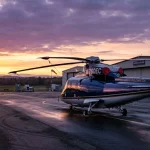
The Sikorsky S-76B model helicopter, involved in the tragic crash that claimed the lives of Kobe Bryant, his daughter Gianna, and others, is renowned for its versatility and reliability in various aviation roles. With a seating capacity for up to 12 passengers, it is often favored for corporate transport, air medical services, and VIP shuttles. The twin-engine design offers a level of safety desirable for transporting high-profile individuals, though it is still exposed to challenges, particularly in adverse weather conditions.
One standout feature of the S-76B is its advanced flight systems, including a sophisticated autopilot and an ability to operate under instrument flight rules (IFR), which theoretically provides a safety net during low-visibility circumstances. However, the crash highlighted critical aspects of helicopter operations, particularly the necessity of pilot judgment and decision-making when faced with deteriorating weather. Despite the aircraft’s capabilities, pilots must remain vigilant, consistently evaluating their environment and making prudent choices to ensure the safety of all onboard.
Understanding the operational limits of a helicopter like the S-76B is vital for any aviation enthusiast or aspiring pilot. Factors like weight, weather conditions, and the helicopter’s performance characteristics all play crucial roles in successful flight operations. The Sikorsky S-76B is equipped with a max gross weight of approximately 8,000 pounds and boasts a range of around 400 nautical miles, making it suitable for various missions. However, when poor visibility due to fog and cloud cover presented challenges, the pilot made decisions that ultimately led to the tragedy-a reminder that technical specifications cannot substitute for sound operational judgment.
Ultimately, the S-76B is admired for its engineering, yet the events surrounding its use that fateful day serve as a somber reminder of the inherent risks in aviation. Each incident is an opportunity for learning, emphasizing the need for ongoing training and a culture of safety within the aviation community. Pilots, manufacturers, and regulatory bodies must collectively work to advance safety measures and ensure that tragic accidents are minimized in future operations.
Public Reaction and Media Coverage

The tragic crash of the helicopter carrying Kobe Bryant and others sent shockwaves across the globe, leading to a profound public reaction and extensive media coverage that highlighted not only the loss of a sports icon but also the role of Ara Zobayan, the pilot. As the news unfolded, many took to social media to express their grief, share memories, and pay homage to those who perished, reflecting the deep connection fans felt to Bryant and the collective impact of the tragedy. The outpouring of emotion was palpable; memorials sprang up, and hashtags honoring the victims trended worldwide, showcasing how deeply intertwined celebrity culture is with the public’s sentiment.
Media outlets rapidly shifted focus toward the investigation of the crash, scrutinizing Zobayan’s qualifications and decisions made leading up to the accident. Reports emerged detailing the pilot’s impressive background as a seasoned aviator, highlighting his experience flying high-profile clients, such as athletes and celebrities [[2]](https://www.latimes.com/socal/daily-pilot/news/story/2020-01-28/ara-zobayan-kobe-pilot). Yet, this portrayal was met with a complex narrative, balancing admiration for his skills with questions about the decisions he made on that fateful day, notably flying in challenging weather conditions. The National Transportation Safety Board (NTSB) investigation underscored the need for transparency in aviation practices, stirring discussions among aviation enthusiasts and casual observers alike about the implications of pilot judgment and external pressures in high-stakes flights [[1]](https://www.espn.com/nba/story/_/id/29324550/ara-zobayan-pilot-kobe-bryant-crash-erred-reporting-was-climbing-ntsb-says).
The coverage also prompted conversations about helicopter safety regulations and the broader implications for pilot training. Many took the opportunity to learn more about the technical aspects of aviation, inspiring a new generation of enthusiasts to explore careers in this field. Aspiring pilots and avid aviation fans began to seek further education on aviation safety, weather conditions, and emergency protocols-understanding that every incident holds potential lessons for improved practices in the future. The media’s role in shaping this conversation exemplified the intersection of tragedy and education, emphasizing accountability while honoring the legacy of those lost.
Overall, the public and media response to the crash served to illuminate not just the individual stories of the victims, including Ara Zobayan, but also the intricate and challenging world of aviation, reinforcing the need for a culture of safety and respect for human lives in every flight.
How This Incident Affects Aviation Safety
The tragic helicopter crash involving Kobe Bryant and others serves as a stark reminder of the critical importance of aviation safety protocols and the multifaceted challenges pilots face. This incident not only elicited widespread grief but also prompted a rigorous examination of existing safety measures within the helicopter industry. It highlighted the need for enhanced regulatory oversight and led to discussions about mitigating risks associated with flying in adverse weather conditions.
Increased Focus on Pilot Training and Certification
One major outcome of this tragedy is a intensifying scrutiny on pilot qualifications and ongoing training, particularly concerning decision-making under pressure. Aviation schools and regulatory bodies are reviewing training programs, emphasizing the necessity for pilots to become proficient in assessing weather conditions and understanding their implications for flight safety. As a result, aspiring pilots are encouraged to not only complete their basic training but also pursue advanced certifications that stress safety management and emergency protocols.
Regulatory Reforms and Industry Accountability
The National Transportation Safety Board (NTSB) investigation into the crash has spurred calls for reforms in pilot regulation, particularly concerning Visual Flight Rules (VFR) in low-visibility situations. Many are advocating for stricter guidelines that would require pilots to avoid flying in conditions where their ability to navigate is compromised. This could involve mandatory groundings during severe weather or stricter penalties for violations of safety protocols. The aim is to cultivate a culture of safety that prioritizes human life above all, ensuring that pilots cannot be unduly pressured into making risky decisions.
Encouraging a Culture of Safety and Awareness
This incident has also led to an increased awareness among pilots and the broader aviation community regarding the necessity of open communication about flight safety. Pilots are now encouraged to voice concerns about weather conditions or personal readiness without fear of professional repercussions. Safety initiatives are being promoted within aviation organizations, focusing on transparent reporting systems that allow for learning from incidents rather than merely assigning blame. This proactive approach not only aims to honor the lives lost but also seeks to prevent future tragedies.
Through these ongoing discussions and reforms, the aviation industry is gradually moving towards a more secure environment, where safety becomes paramount. For those considering a career in aviation, these developments highlight the importance of a strong safety foundation and the critical thinking skills necessary to navigate the complexities of flying, aiming not only to honor Ara Zobayan’s legacy but to foster a new generation of responsible aviators.
Continuing Ara Zobayan’s Legacy in Aviation
Continuing the legacy of Ara Zobayan, the pilot tragically lost in the helicopter crash that claimed Kobe Bryant and others, involves a collective commitment to enhancing aviation safety and nurturing new generations of pilots. Zobayan’s experience and dedication to flying inspire not only those in the aviation community but also the wider public, underscoring the critical importance of rigorous training and adherence to safety protocols.
Ensuring that the lessons learned from this tragedy are not forgotten requires a multifaceted approach. Education and training must be prioritized, with aspiring pilots encouraged to seek advanced certifications beyond basic requirements. Programs that emphasize risk assessment, especially concerning weather conditions, can help cultivate a mindset geared towards safety. This might include simulations of adverse flying conditions, where decision-making skills are put to the test, allowing pilots to develop a better understanding of the challenges they may face in real situations.
Moreover, fostering a culture of safety involves openness and communication within the aviation community. Pilots should feel empowered to prioritize safety over time constraints or external pressures. Organizations can implement mentorship programs where experienced pilots share insights and experiences with less experienced peers, reinforcing the idea that safety is paramount and should always take precedence over expediency.
Elevating Ara Zobayan’s legacy also means advocating for regulatory reforms that enhance oversight of helicopter operations. Continuous collaboration between pilots, industry leaders, and regulatory bodies can lead to the development of improved safety standards. By promoting a proactive stance towards safety regulations, the aviation community can help ensure that no pilot feels compelled to act against their better judgment, thereby honoring the lives lost and aiming to prevent future tragedies in the skies.
In celebrating Zobayan’s contributions to aviation, it is essential to appeal to aspiring pilots: your journey begins now, with a responsibility to learn from the past and strive for excellence in the air. Stay curious, seek knowledge, and always prioritize safety in your flying endeavors.
Frequently Asked Questions
Q: What qualifications did Ara Zobayan have as a pilot?
A: Ara Zobayan was a highly qualified pilot with extensive experience in flying helicopters. He held a commercial pilot’s license and was certified for instrument flight under visual flight rules (VFR). His qualifications also included a significant number of flight hours logged in various aircraft, reflecting his expertise in aviation.
Q: What were the circumstances around Ara Zobayan’s flight on the day of the crash?
A: On the day of the crash, Ara Zobayan was flying under challenging conditions, including heavy fog and reduced visibility. These circumstances impacted his ability to navigate effectively, raising questions about the adherence to safety protocols and the ultimate decisions made during the flight.
Q: Did Ara Zobayan have experience flying in low visibility conditions?
A: Yes, Ara Zobayan had experience flying in low visibility, but flying under adverse weather conditions, like those on the day of the crash, can be particularly challenging. His training included navigating through fog and clouds, but the extreme conditions that day tested the limits of that experience.
Q: How did the helicopter model affect the crash?
A: The helicopter model, a Sikorsky S-76, is known for its reliability and performance; however, it still requires rigorous adherence to safety protocols. Mechanical issues or unexpected weather changes can significantly contribute to accidents, and understanding these factors offers insights into how such incidents can unfold.
Q: What lessons have been learned from Ara Zobayan’s helicopter crash?
A: The tragedy of Ara Zobayan’s crash emphasizes the importance of safety regulations and decision-making in aviation. Key lessons include the need for stricter adherence to weather assessments and the necessity for pilots to remain vigilant about their flight conditions-learning from this incident is crucial for improving aviation safety.
Q: How has public perception of helicopter safety changed after this incident?
A: Public perception of helicopter safety has significantly shifted following the crash. Increased media coverage and discussions about aviation safety regulations have heightened awareness. Many now advocate for stricter safety standards and pilot training effectively to better handle adverse weather conditions, ensuring greater accountability in future flights.
Q: What impact did Ara Zobayan’s crash have on aviation regulations?
A: Ara Zobayan’s crash prompted discussions among aviation regulators about the need for updated industry standards. This includes potential changes to pilot training requirements in adverse weather and the need for comprehensive safety assessments, ultimately steering efforts towards enhancing overall aviation safety measures.
Q: What legacy did Ara Zobayan leave in aviation?
A: Ara Zobayan’s legacy in aviation is marked by his passion for flying and his connection to high-profile individuals. His story serves as a reminder of the risks involved in aviation, highlighting the importance of safety, training, and awareness. Continuing his legacy can inspire future pilots to prioritize these values in their careers.
The Way Forward
As we reflect on the life and career of Ara Zobayan, the skilled pilot involved in the tragic helicopter crash that claimed the life of Kobe Bryant, it’s important to remember the complexities of aviation and the dedication of those who fly. Zobayan’s expertise highlighted the critical role pilots play in ensuring safe journeys, even in challenging conditions. To deepen your understanding, explore our articles on helicopter technology and safety measures in aviation.
If you found this discussion impactful, consider subscribing to our newsletter for more insights into aviation, including pilot career paths and the history of helicopters. We invite you to share your thoughts in the comments below and check out related topics like “Helicopter Safety Mechanisms” and “Famous Helicopter Crashes.” Your engagement helps us continue to provide valuable content and promote a culture of safety and education in aviation. Thank you for joining us on this journey, and we hope to see you back soon!
Get our latest guides, news, and insights highlighted in your Google Search & AI Overviews.