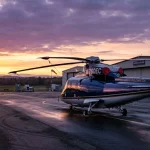
On January 26, 2020, the tragic helicopter crash that claimed the lives of Kobe Bryant, his daughter Gianna, and seven others sparked intense public interest in the aircraft involved. The helicopter, a Sikorsky S-76B, was renowned for its reliability and often used in VIP transport. Understanding the model that played a role in this heartbreaking incident is crucial, not just for fans and aviation enthusiasts but also for those looking to comprehend safety measures in air travel. As we delve deeper into the specifications and operational features of the Sikorsky S-76B, we’ll explore how such incidents highlight the importance of aviation safety and regulations. Join us as we uncover the intricate details of this helicopter and the lessons we can learn from this tragedy.
What Happened in the Tragic Helicopter Crash?
On January 26, 2020, the tragic helicopter crash that claimed the lives of NBA legend Kobe Bryant, his daughter Gianna, and seven others occurred in Calabasas, California. The Sikorsky S-76B helicopter took off from John Wayne Airport in Orange County, destined for the Mamba Sports Academy in Thousand Oaks. Despite the foggy weather conditions, which led to low visibility, the helicopter was on a planned route that involved a climb to avoid the rising terrain.
As the flight progressed, the pilot, Ara Zobayan, attempted to navigate through the thick clouds, which ultimately resulted in spatial disorientation-a common issue when pilots lose sight of the horizon. Reports suggest that the helicopter was flying at an altitude of about 2,400 feet when it began to descend sharply. Shortly after, the aircraft impacted the hillside at a speed of approximately 180 miles per hour, resulting in a devastating explosion and fire that destroyed the helicopter, causing the loss of all onboard.
In the aftermath of the incident, investigations by the National Transportation Safety Board (NTSB) revealed critical insights into helicopter operation under adverse conditions and the need for strict adherence to visual flight rules (VFR). This incident highlighted the inherent risks associated with helicopter travel, shedding light on the potential consequences of flying in challenging weather conditions. Additionally, it sparked discussions within the aviation community about pilot training, equipment, and the importance of safety considerations in the ever-evolving landscape of air transportation.
Exploring the Model of Kobe Bryant’s Helicopter
The Sikorsky S-76B, the model of helicopter tragically involved in the crash that took Kobe Bryant’s life, is renowned for its versatility and performance in various aviation roles, including executive transport and emergency medical services. This twin-engine rotorcraft, known for its sophisticated engineering and high safety standards, has been a popular choice for VIP transport due to its reliability and comfort. The S-76B model, in particular, features advanced avionics and a spacious cabin that can accommodate up to thirteen passengers, allowing for a luxurious flying experience.
One of the key aspects of the S-76B is its robust design, which includes modern helicopter technologies that enhance performance and safety. With a maximum cruising speed of around 150 knots, the S-76B can efficiently navigate long distances. It also includes a glass cockpit configuration, which improves visibility and situational awareness for pilots. Additionally, its noise-reducing design provides a quieter cabin experience, making it especially appealing for high-profile clients seeking comfort during their flights.
However, despite its reputation as a reliable aircraft, the S-76B is not immune to the challenges posed by adverse weather conditions. The tragic incident that occurred on January 26, 2020, serves as a crucial reminder of the importance of understanding helicopter capabilities and limitations. Despite the aircraft’s array of safety features, including dual engines for redundancy, the pilot, Ara Zobayan, encountered severe weather that ultimately led to the loss of control. This incident underscores the critical nature of adhering to visual flight rules (VFR) and ensuring pilots are equipped to handle such conditions.
For future pilots and aviation enthusiasts, understanding the intricacies of the S-76B and similar helicopters can inspire a deeper appreciation for this remarkable technology. The S-76B represents not just a machine but a combination of engineering excellence and the human experience of flight. Aspiring pilots should prioritize training and awareness about the potential impacts of environmental factors on flight safety, ensuring that the legacy of those lost continues to inform aviation practices and safety measures moving forward.
Key Features of the Sikorsky S-76B Helicopter

The Sikorsky S-76B helicopter is emblematic of modern helicopter engineering and has garnered a strong reputation in both commercial and private aviation. This versatile rotorcraft, known for its smooth flying capabilities and high safety standards, was designed for a variety of roles, from executive transport to air ambulance services. Notably, it often serves high-profile clients who require comfort alongside reliability. Understanding the key features of the S-76B highlights why it was selected for sensitive transport missions like that of Kobe Bryant and his companions.
One of the standout features of the S-76B is its twin-engine configuration, which significantly enhances safety through redundancy. In case one engine fails, the other can maintain flight, a critical consideration during adverse conditions. Furthermore, the helicopter is equipped with sophisticated avionics, including a glass cockpit that improves pilot situational awareness. This technology reduces pilot workload by providing clear displays and automation for various flight functions, making it easier to navigate complex flying environments.
The cabin of the S-76B is spacious, accommodating up to thirteen passengers in a luxurious setting. Features like comfortable seating, advanced climate control, and soundproofing contribute to a serene environment, ideal for business travel. Its cruising speed, reaching up to 150 knots, ensures swift travel, making it a popular choice for VIP transport. In addition, the attention to noise reduction allows for a quieter experience, which is crucial during long flights.
However, despite its advanced features and safety protocols, the S-76B is sensitive to environmental conditions, particularly poor visibility or turbulence. Pilots of this aircraft must be trained to handle various flight scenarios and comply with visual flight rules to ensure safety. The tragic incident involving Kobe Bryant serves as a poignant reminder of the importance of these considerations in helicopter operations. Each feature of the S-76B reflects an intersection of design ingenuity and practical application, embodying the ideals of safety and comfort that define modern helicopter flight.
Understanding Helicopter Safety Standards

Understanding safety standards in helicopter operations is crucial, especially after incidents like the tragic accident involving Kobe Bryant’s Sikorsky S-76B. Helicopters, while versatile and efficient, operate in a complex environment that requires strict adherence to safety protocols. These standards are established by aviation regulatory bodies such as the Federal Aviation Administration (FAA) in the United States, which mandates comprehensive guidelines that govern everything from design and maintenance to operation and pilot training.
A key component of helicopter safety standards is the airworthiness certification. This ensures that every aircraft, including the S-76B, meets specific performance and safety criteria before it’s approved for flight. The S-76B, for instance, is equipped with advanced safety features like dual engines and sophisticated avionics, which are essential for enhancing reliability. Additionally, regular inspections and maintenance schedules are mandated to prevent mechanical failures, ensuring that each component of the aircraft is in optimal condition.
Pilot training is another critical area governed by safety standards. Helicopter pilots must undergo rigorous training to achieve certification, which includes simulations for emergency situations that could arise in challenging environments. This training is designed to prepare pilots to handle unexpected events, such as sudden weather changes or system failures. However, it’s essential for pilots to maintain proficiency through continuous education and recurrent training sessions, as this knowledge is vital in maintaining high safety standards.
Finally, safety standards extend beyond the cockpit to include public safety regulations regarding helicopter operations in urban and suburban areas. These regulations dictate flight paths, altitude limits, and noise abatement procedures to minimize the impact on the surrounding communities. Compliance with these regulations plays a crucial role in promoting safety and reducing the risks associated with helicopter flights.
By understanding and implementing these safety standards, the aviation community can work towards preventing such tragedies in the future, honoring the memory of those lost by ensuring that safety remains paramount in helicopter operations.
Flight Path Analysis: What Went Wrong?

In the tragic incident involving Kobe Bryant’s helicopter, the flight path taken before the crash reveals critical insights into what went wrong. The Sikorsky S-76B was en route from John Wayne Airport in Orange County to the Mamba Sports Academy in Thousand Oaks when it encountered thick fog in the San Fernando Valley. The pilot, Ara Zobayan, requested and received Special Visual Flight Rules (SVFR) clearance, which allows pilots to navigate under visual flight rules in conditions that would typically require an instrument flight.
However, the dense fog led to disorientation, challenging the pilot’s ability to maintain visual contact with the ground. Less than a minute before the crash, the helicopter began a rapid descent while flying at a high speed. This descent, characterized by a loss of control, indicated that the pilot might have been attempting to avoid flying into obstacles while managing the difficult weather conditions. Unfortunately, as the helicopter descended, it struck terrain in Calabasas, California, resulting in a catastrophic failure and the loss of all nine on board.
The flight data also emphasized the need for greater emphasis on situational awareness and the dangers of spatial disorientation, particularly in low-visibility circumstances. Despite the advanced capabilities of the Sikorsky S-76B-such as dual engines and sophisticated avionics-the human factors in aviation, including pilot decision-making and environmental challenges, played a decisive role in this unfortunate crash. This incident underscores the importance of comprehensive training for pilots, not only on aircraft operation but also on navigating challenging weather and understanding when to prioritize safety over routine.
As discussions regarding this tragic event continue, they highlight a vital need for advancements in helicopter technology and pilot training, which could greatly enhance safety in the aviation industry. These improvements might include better weather detection systems and enhanced training for pilots to handle adverse conditions more effectively. By reflecting on the lessons learned from this incident, the aviation community can strive to prevent similar tragedies in the future.
Pilot Training and Experience Requirements

The world of aviation, particularly helicopter piloting, demands a blend of technical competence and deep situational awareness, especially when navigating challenging weather conditions. In the case of the tragic helicopter crash involving Kobe Bryant, the pilot, Ara Zobayan, had undergone significant training but faced extraordinary circumstances that tested the limits of his expertise.
To become a commercial helicopter pilot, aspiring aviators must meet a series of essential training and experience requirements. These typically include obtaining a Private Pilot Certificate, followed by a Commercial Pilot Certificate, specifically for rotorcraft. Training involves rigorous theoretical and practical instruction, covering subjects like aerodynamics, navigation, meteorology, and flight maneuvers. One key component is the accumulation of flight hours; prospective pilots generally need a minimum of 150 flight hours, with substantial time spent in dual instruction with certified instructors. Continuous education through flight simulations and real-world experiences further sharpens a pilot’s skills.
Experience and Testing
A critical aspect of a pilot’s training is performing under various conditions, which includes dealing with adverse weather. Helicopter pilots are particularly vulnerable to challenges like spatial disorientation when flying in low visibility, as was unfortunately the case during Bryant’s fatal flight. As part of their training, pilots must not only become proficient in handling the aircraft but also learn to recognize and defer to their limitations, especially in challenging scenarios. This decision-making skill is tested during flight examinations and through additional training, including instrument rating for flying in cloudy or poorly lit environments.
Continuing Education
Even after gaining certification, ongoing training is vital. Established pilots participate in recurrent training programs to stay updated on the latest safety practices and technology advancements in aviation. Incorporating new weather-detection technology and simulation scenarios that mirror potential hazards can significantly enhance a pilot’s preparedness for emergencies.
Through a robust training system that emphasizes technical skill, decision-making, and situational awareness, the aviation community aims to cultivate pilots who are not only capable but also prioritize safety above all else. This tragic event serves as a sobering reminder of the human factors involved in aviation and the importance of comprehensive training protocols to help ensure future safety in the skies.
Helicopter Maintenance: Importance for Safety
Ensuring the safety and reliability of helicopters hinges significantly on rigorous maintenance practices. In the context of the Sikorsky S-76B, the model involved in the tragic accident that claimed Kobe Bryant’s life, regular and comprehensive maintenance is critical not just for optimal performance but for preventing catastrophic failures. Helicopters operate in complex and demanding environments, making the mechanical integrity of their components paramount.
Routine maintenance procedures typically include inspections, repairs, and replacements of essential systems such as the engine, rotor blades, and avionics. These processes help detect potential issues before they escalate, providing pilots and operators with confidence in their aircraft. According to aviation standards, there are stringent guidelines governing how often these inspections must occur. For instance, most helicopters require a detailed inspection after a specified number of flight hours, which can include checks on the hydraulic systems, electrical components, and safety equipment.
Focus on Key Maintenance Areas
When maintaining helicopters like the S-76B, it’s particularly important to focus on the following areas:
- Engine Health: Regular oil changes, filter replacements, and thorough checks of the engine’s performance metrics can prevent engine failures.
- Rotor System Inspection: Monitoring the rotor blades for signs of wear and ensuring that their pitch and balance are correctly adjusted can enhance safety and performance.
- Avionics and Instrumentation Checks: Keeping navigation and communication systems up to date is critical for situational awareness, especially in adverse weather conditions.
- Flight Control Systems: Ensuring that collective and cyclic controls are functioning properly is essential for safe maneuverability.
Neglecting maintenance can lead to dire consequences, as underscored by the Bryant incident, which involved adverse weather and potential mechanical failures. Therefore, establishing a robust maintenance schedule that complies with manufacturer guidelines and FAA regulations is not just advisable-it is essential for safety.
Implications of Maintenance Failures
The risks associated with insufficient maintenance are stark. A well-maintained helicopter can effectively navigate challenges such as unexpected weather changes, enabling pilots to make safe operational decisions. Conversely, overlooked maintenance can lead to equipment malfunctions at crucial moments, drastically affecting flight safety. The aviation community continues to learn from past incidents, driving an ongoing commitment to elevate maintenance standards and protocols. Thus, for both operators and pilots, understanding and prioritizing helicopter maintenance is not merely a technicality but a vital part of ensuring safety in the skies.
Public Safety and Helicopter Regulations
Public confidence in aviation hinges significantly on regulations that ensure safety in every flight, especially in the case of helicopters, which operate in diverse and often challenging environments. In the tragic accident involving Kobe Bryant’s Sikorsky S-76B, it highlighted the importance of stringent safety standards and regulatory oversight. Helicopter regulations are designed not only to minimize risks but also to manage operator and pilot responsibilities effectively.
The Federal Aviation Administration (FAA) sets the groundwork for safety through regulations that encompass design standards, maintenance requirements, and operational protocols. These regulations require routine inspections and adherence to specifications to ensure that helicopters like the S-76B meet stringent safety benchmarks. For instance, the FAA mandates the implementation of safety management systems (SMS) across operators to identify and mitigate risks proactively. The S-76B, known for its reliability, still requires continuous compliance with these evolving regulations to maintain its operational safety.
Pilots are also subject to rigorous training and certification processes as per FAA guidelines, which include specific requirements for instrument flying and emergency procedures. The accountability extends to maintaining and documenting pilot proficiency, particularly when flying in adverse weather conditions, which were factors in Bryant’s accident. Enhanced training protocols and scenario-based training can equip pilots better for managing unexpected situations, emphasizing the crucial role of regulatory frameworks in aviation safety.
Moreover, the introduction of additional regulations focused on weather assessment and flight planning is vital. Operators must consider real-time weather data when planning flights, particularly in regions where conditions can swiftly change. The implementation of such regulations holds the potential to save lives and prevent tragic incidents, prompting a shift towards more stringent safety practices in the helicopter industry post-accident. In conclusion, robust are foundational pillars that contribute significantly to enhancing aviation safety while honoring the memory of those lost in tragic accidents.
Kobe Bryant’s Legacy and its Impact on Aviation
Kobe Bryant’s tragic passing in a helicopter crash reverberated across the globe, triggering a profound reflection on his legacy, not just in basketball but also in aviation. Beyond his extraordinary achievements on the court, Bryant was an advocate for helicopter travel, valuing its convenience and efficiency for his busy lifestyle. He often used helicopters, especially the Sikorsky S-76B, which became synonymous with his daily commute. This incident not only brought to light the potential risks associated with helicopter travel but also emphasized the pivotal role that technological advancements, safety regulations, and pilot training play in ensuring safe operations.
The S-76B, a model known for its robustness and reliability, had been a preferred choice for many high-profile individuals, including Bryant, due to its impressive safety record and comfortable ride. However, following the accident, many began to critically evaluate the helicopter’s operational standards, safety features, and maintenance protocols. The outpouring of grief highlighted not only a loss of an icon but also a collective call to action within the aviation community to reevaluate existing safety measures. This tragic event raised questions about regulatory frameworks governing private helicopter use, prompting discussions about enhancing safety protocols and necessity for more stringent regulations, particularly for flights conducted under adverse weather conditions.
In the aftermath, the aviation industry has seen a renewed focus on training for pilots, specifically regarding decision-making in challenging environmental conditions. Educational programs have begun to integrate lessons learned from the accident, emphasizing scenario-based training that prepares pilots to handle unforeseen circumstances. This shift aims to improve pilot proficiency and confidence, ensuring they are better equipped to manage emergencies. Furthermore, inspired by the attention brought to aviation safety following Kobe’s accident, industry leaders are now advocating for the implementation of advanced flight technology and safety management systems that could prevent similar tragedies in the future.
Kobe Bryant’s influence is also felt in the push for innovation within helicopter design and safety. The conversation around improving air transport has been invigorated, resulting in new initiatives aimed at both enhancing passenger safety and promoting awareness of helicopter travel’s benefits. With the legacy of an athlete who transcended sports, the aviation sector can draw significant lessons from his life and untimely death, paving the way for a safer, more informed future in helicopter travel.
How This Incident Changed Aviation Safety Practices
The tragic helicopter accident that claimed the life of Kobe Bryant and eight others has fundamentally transformed how aviation safety practices are viewed and implemented. This incident, which garnered global attention, highlighted critical gaps in safety standards, particularly for private helicopter operations. As a result, there has been an urgent call within the industry to reevaluate existing regulations and training protocols to prevent such a catastrophe from occurring again.
One significant area of change has been in pilot training, where a new emphasis is placed on decision-making under pressure, and scenario-based training has become a cornerstone of flight education. Pilots are now being trained to better assess weather conditions and to make informed choices about flight safety. This involves simulating adverse conditions in training environments, which helps prepare pilots for real-world scenarios that could arise. For aspiring pilots, understanding these improved training protocols presents a valuable insight into becoming a well-rounded aviator equipped for modern challenges.
Moreover, the push for enhanced safety management systems cannot be understated. The incident has spurred discussions about integrating advanced technology into helicopter operations-this includes real-time weather updates, enhanced navigation systems, and better communication tools between pilots and air traffic control. By leveraging innovative technology, the aviation community aims to mitigate risks associated with weather and operational pressures, a crucial lesson underscored by the accident.
Additionally, regulatory bodies are now revisiting guidelines surrounding private helicopter flights-particularly in challenging weather conditions. Proposed changes include stricter visibility requirements and more rigorous checks before flights are authorized, aiming to ensure pilots have all the necessary resources at their disposal before taking off. This incident served as a rallying point, igniting dialogues that prioritize passenger safety and the integrity of helicopter operations, thus leading to a safer future for all involved in aviation.
Comparing Helicopter Models Similar to the S-76B
The Sikorsky S-76B helicopter, tragically associated with Kobe Bryant’s fatal accident, has been a staple in the world of aviation, particularly for executive transport. Its reliability and luxurious features have made it a go-to choice for corporate clients and high-profile individuals. However, understanding the S-76B is crucial not only for appreciating its engineering but also for comparing similar models in the market.
Among helicopters that share similar characteristics with the S-76B, the Eurocopter EC155 stands out. This French helicopter is also designed for VIP transport and offers a spacious cabin, advanced avionics, and a smooth ride, making it a comparable alternative. Another worthy mention is the Bell 429. Known for its agility and modern technology, the Bell 429 provides high performance with the added benefit of a fully integrated avionics suite. Both models prioritize passenger comfort and safety, making them suitable for the same audiences that the S-76B caters to.
In terms of operational capacity, the AgustaWestland AW139 is often highlighted as a competitor. With its twin-engine design and large cabin space, the AW139 provides versatility beyond that which the S-76B offers, accommodating a variety of roles from emergency medical services to offshore transport.
| Model | Manufacturer | Passenger Capacity | Max Cruise Speed (knots) |
|---|---|---|---|
| Sikorsky S-76B | Sikorsky Aircraft | 6-8 | 150 |
| Eurocopter EC155 | Airbus Helicopters | 6-8 | 150 |
| Bell 429 | Bell Helicopter | 6-8 | 140 |
| AgustaWestland AW139 | Leonardo S.p.A. | 6-15 | 165 |
Ultimately, while these helicopters share similarities with the S-76B, each has its unique attributes that may appeal to different users depending on their specific needs. The S-76B’s enduring legacy, especially in the wake of Kobe Bryant’s tragic accident, prompts important conversations about safety and performance in the helicopter aviation industry. Understanding these models can create informed decisions for potential users, enthusiast enthusiasts, and those aspiring to enter the aviation field.
Future Innovations in Helicopter Design and Safety
Innovations in helicopter design and safety are crucial to enhancing the safety of air travel, especially in light of tragic events like Kobe Bryant’s accident. As technology advances, the aerospace industry continuously seeks to implement improvements that can prevent accidents and save lives. Recent advancements focus on integrating smarter avionics, enhanced materials, and innovative safety features.
One of the most promising areas of innovation is the development of automated flight systems. These systems can assist pilots in navigation and critical decision-making, potentially reducing human error-a significant factor in many aviation accidents. For instance, autonomous flying technology is progressing, with prototypes that can operate with minimal human intervention. This could revolutionize how helicopters are piloted, especially in challenging conditions.
Another vital aspect is the incorporation of advanced materials into helicopter construction. Lightweight and durable materials such as carbon fiber and titanium alloys help improve performance and fuel efficiency while maintaining structural integrity. Moreover, the use of composite materials enhances crashworthiness, reducing the likelihood of fatal injuries during an accident.
Safety Enhancements in Design
Helicopter designs are also evolving to include improved safety features. One such feature is crash-resistant fuel systems, which can significantly reduce the risk of fires during an accident. Additionally, developments in blades and rotor systems are focused on decreasing noise and vibration while increasing stability in flight.
Moreover, the introduction of real-time health monitoring systems can provide continuous feedback about the helicopter’s operational status. These systems alert pilots to potential mechanical issues before they escalate into hazardous situations. For example, predictive maintenance technology uses data analytics to forecast component failures, allowing for timely interventions.
Regulatory Considerations and Training
Regulatory bodies are also evolving their standards to reflect these innovations. Enhanced safety protocols and training for pilots are gaining traction. This includes a greater emphasis on the use of simulators for training, simulating various emergency scenarios that a pilot may face during flight.
The push for innovative safety measures not only honors the memories of those lost in tragic crashes but also aims to create a safer environment for future flights. Helicopter manufacturers and associations are working collaboratively to ensure that these advancements lead to safer and more efficient air travel, giving confidence to both pilots and passengers alike.
Frequently Asked Questions
Q: What type of helicopter was Kobe Bryant flying?
A: Kobe Bryant was flying in a Sikorsky S-76B helicopter at the time of the tragic crash. This model is known for its reliability and is often used for executive transport, medical evacuations, and offshore oil transport.
Q: Why is the Sikorsky S-76B a popular choice for transportation?
A: The Sikorsky S-76B is popular due to its advanced technology, comfortable cabin, and exceptional safety features. Its twin-engine design provides better performance and reliability, making it a favored choice for executive travel and air ambulance services.
Q: What are the safety features of the Sikorsky S-76B helicopter?
A: The Sikorsky S-76B includes critical safety features such as dual engines, advanced avionics, and crash-resistant fuel systems. These features are designed to enhance safety during flight and in the event of an emergency.
Q: How does the Sikorsky S-76B compare to other helicopters?
A: Compared to similar models, the S-76B offers better range and payload capacity. It stands out with its reduced noise levels and superior passenger comfort, making it a preferred choice for corporate executives.
Q: What helicopter regulations apply to models like the S-76B?
A: Helicopter regulations for models like the S-76B include maintenance standards, pilot certification requirements, and adherence to FAA safety regulations. These ensure safe operation and maintenance of commercial and private aircraft.
Q: What happened during the crash of Kobe Bryant’s helicopter?
A: The crash occurred in poor visibility conditions and involved a loss of control shortly after takeoff. An investigation revealed that sudden descent led to the unfortunate incident, highlighting the importance of situational awareness and weather briefing for pilots.
Q: What training is required for pilots flying the Sikorsky S-76B?
A: Pilots flying the Sikorsky S-76B must undergo extensive flight training, including simulator sessions and specific type rating certification to ensure they understand the helicopter’s systems and emergency procedures.
Q: How has the Kobe Bryant incident impacted helicopter safety standards?
A: The incident has led to increased scrutiny on helicopter safety regulations and pilot training. There has been a push for better weather-related operational protocols and enhanced communication systems to prevent similar tragedies in the future.
Closing Remarks
Understanding the details of the helicopter involved in Kobe Bryant’s tragic accident enhances our appreciation of aviation safety and technology. The Sikorsky S-76B, known for its reliability, was designed for various missions, making this incident particularly poignant. If you’re interested in deeper insights into helicopter models, don’t miss our exploration of the features that make helicopters like the S-76B a favorite among professionals.
Join our community by subscribing to our newsletter for the latest updates on aviation safety and aircraft innovations. Have questions or thoughts? We encourage you to share them in the comments-your input enriches our dialogue! For more on the evolution of helicopters and how they’re used today, check out our articles on helicopter types and their applications. Let’s keep the conversation going as we honor the past and look toward the future of flight.
Get our latest guides, news, and insights highlighted in your Google Search & AI Overviews.