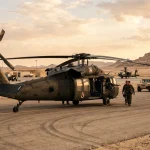
Helicopter crashes, while statistically rare, can lead to devastating outcomes for passengers and crew. Understanding the realities of these incidents is crucial for those who fly, operate, or are simply fascinated by helicopters. Did you know that survival rates can vary dramatically depending on a variety of factors such as location, helicopter type, and pilot experience? In this article, we will explore what happens during a helicopter crash, the factors that influence survival, and tips on how to increase your chances if you ever find yourself in such a situation. By shedding light on the intricacies of helicopter safety and the experiences of survivors, we aim to provide valuable insights that resonate with aviation enthusiasts and casual readers alike. Join us as we navigate the complex world of helicopter accidents and survival strategies, encouraging informed conversations around safety and preparedness in this thrilling mode of flight.
The Physics Behind Helicopter Crashes: How They Happen
A helicopter crash can be a devastating event, and understanding the physics behind these incidents is crucial for both prevention and recovery efforts. Helicopters operate on principles of flight that differ significantly from fixed-wing aircraft. They rely on rotor dynamics to generate lift and thrust, making them incredibly versatile but also inherently complex. When circumstances are just right-such as mechanical failure, adverse weather conditions, or pilot error-the consequences can be catastrophic.
One fundamental principle is the concept of autorotation, which occurs when a helicopter engine fails. In this scenario, the helicopter can still descend safely by allowing airflow to spin the blades, providing some lift. However, if the descent is too abrupt or uncontrolled, the chances of a crash increase dramatically. A rapid loss of rotor speed, particularly in the absence of altitude, can lead to a hard impact, severely affecting the occupants.
External Factors and Dynamics
External factors play a pivotal role in helicopter safety. Weather conditions such as high winds, turbulence, and icing can disrupt the smooth operation of a helicopter, creating challenges that can lead to crashes. For instance, when flying in poor visibility, a pilot may be unable to assess their altitude or proximity to obstacles, increasing the risk of an accident. Additionally, helicopters are susceptible to “vortex ring state,” a condition where the helicopter descends at a rate that allows it to enter its own downwash, leading to a loss of lift and potentially a crash.
Understanding these physics concepts is essential for pilots and engineers alike. It is crucial to maintain a high level of awareness about how these forces interact in various flying conditions, highlighting the need for rigorous training and adherence to safety protocols. The loss of control can have dire consequences; therefore, continuous education and innovation in helicopter design and technology play significant roles in enhancing safety and reducing crash incidents.
Common Causes of Helicopter Crashes: What to Know
Helicopters are remarkable machines, celebrated for their versatility and unique flying capabilities. However, understanding the common causes of crashes is essential for enhancing safety and preventing tragedies. The majority of helicopter crashes can be attributed to a combination of technical failures, environmental factors, and human error.
One significant factor is mechanical failure, often stemming from poor maintenance or manufacturing defects. Helicopters depend on numerous systems, from rotor dynamics to hydraulics, all of which must function flawlessly for safe operation. An unexpected mechanical failure, such as an engine or rotor malfunction, can quickly lead to a critical situation. Regular inspections and adherence to maintenance protocols are vital for identifying issues before they result in catastrophic failures.
Another prevalent cause is piloting errors, which can occur in various forms. For instance, a pilot may misjudge altitude or speed during takeoff or landing, particularly in challenging conditions like low visibility or turbulent weather. Human error also includes not properly responding to an in-flight emergency, which can exacerbate an already dangerous situation. This underscores the importance of thorough training and simulated emergency scenarios to prepare pilots for real-world challenges.
Environmental factors play a crucial role as well. Weather conditions, such as strong winds, fog, or thunderstorms, can undermine a helicopter’s stable flight. Pilots need to always assess weather patterns and make informed decisions regarding flight paths and timing. A lesser-known phenomenon called vortex ring state can occur when a helicopter descends too quickly, leading to a loss of lift. This presents a unique challenge that requires a deep understanding of aerodynamics and quick response skills to recover from.
Lastly, operational factors, such as the type of missions being conducted, can increase risk. Combat operations, for instance, present a higher likelihood of encounters with hostile forces, whereas air ambulances may face unique challenges while transferring patients. Each mission type demands specific training and preparation to mitigate the innate risks involved in helicopter flights.
Addressing these common causes involves a multifaceted approach: prioritizing rigorous pilot training, ensuring comprehensive maintenance protocols, and fostering a culture of safety awareness both in the cockpit and on the ground. By doing so, we honor those who have lost their lives in helicopter crashes through relentless efforts toward preventing future tragedies.
Survival Rates in Helicopter Crashes: Key Statistics
The mere thought of a helicopter crash strikes fear into the hearts of many, yet statistics reveal a more nuanced reality. Helicopters, while involved in some high-profile accidents, demonstrate a complex survival landscape. According to research, the overall survival rate in helicopter crashes hovers around 60%, with numerous factors influencing these outcomes. For instance, when crashes occur at lower altitudes, the chances of survival increase, as pilots may have better options for controlled landings. Conversely, accidents during takeoff or landing often result in more severe injuries and fatalities.
Various elements affect these survival statistics, including the type of helicopter and the nature of the flight mission. For example, search and rescue helicopters tend to experience higher survival rates due to their operational design and flight protocols that emphasize quick emergency response. In contrast, military helicopters, often subjected to hostile conditions, report varying rates depending on the mission complexity and environment.
Another critical factor that improves survival rates is the incorporation of advanced safety features in newer helicopter models. Innovations such as crash-resistant seats, improved rotor technology, and better emergency response systems have contributed to an uptick in survivors. In fact, a study of various crash incidents found that when helicopters are equipped with these modern features, survival rates can increase significantly-sometimes exceeding 75%.
Ultimately, understanding these statistics is vital for aspiring pilots, manufacturers, and aviation enthusiasts. By focusing on maintaining and improving safety protocols, both in training and aircraft design, the aviation community can work toward minimizing the tragedy of helicopter crashes and maximizing the chances of survival for those on board.
Factors Influencing Survival: Insights from Experts

Survival in a helicopter crash often hinges on a dozen nuanced factors, each playing a critical role in determining outcomes. One of the most significant variables is the nature of the flight. For instance, helicopters engaged in emergency medical services or search and rescue operations typically adhere to strict protocols designed for rapid response and safety. These missions often occur at lower altitudes where survivability rates tend to increase due to the possibility of controlled landings. In contrast, military operations, particularly those in hostile territories, can introduce complexities that elevate risks and diminish survival probabilities.
Another major influence is the design of the helicopter itself. Modern helicopters come equipped with advanced safety features, such as crash-resistant seats and improved rotor systems, significantly enhancing occupant protection. Studies have shown that when helicopters are designed with these innovations, survival rates can rise dramatically. For instance, helicopters equipped with advanced avionics may have systems that provide real-time data to pilots, allowing them to make informed decisions during critical situations and potentially avoid crashes altogether.
The actions and mindset of pilots preceding and during an incident also play a crucial role. Experienced pilots trained in emergency procedures can make life-saving decisions, such as executing an autorotation-a controlled descent that pilots can perform when an engine fails. Moreover, comprehensive training programs focusing on scenario-based learning help aspirants understand the physiological and psychological stresses faced during emergencies, equipping them to react effectively in real crises.
The environment in which the helicopter operates-such as weather conditions and terrain-also greatly impacts survival outcomes. Flying in adverse weather can lead to visibility issues and complex aerodynamics, while landing in rough terrains can increase the likelihood of severe injuries. Adapting flight plans and strategies based on environmental assessments can be the determining factor between life and death in emergencies.
Understanding these factors not only educates potential pilots about the importance of safe flying practices but also encourages manufacturers to innovate continuously, ensuring that when accidents occur, the chances of surviving them are as high as possible.
Injuries Sustained in Helicopter Crashes: What Research Shows
In helicopter crashes, the injuries sustained can vary widely depending on numerous factors, including the nature of the crash, the helicopter’s design, and the safety features in place. Research indicates that occupant safety significantly improves with advancements in helicopter technology. For instance, helicopters equipped with crash-resistant seats and energy-absorbing structures help reduce the severity of injuries during accidents. A notable study found that improved seat designs can lower the risk of spinal injuries by up to 50%, underscoring the critical role of engineering in enhancing rider safety.
A common cause of injuries in helicopter accidents is the dynamic loading experienced during a crash. The forces involved can lead to a range of injuries, from blunt trauma to lacerations. Passengers often suffer from head injuries, which can include concussions or fractures, particularly if they are not using helmets. In fact, studies suggest that unhelmeted occupants are significantly more likely to sustain head injuries compared to those who are properly equipped. Likewise, lower extremity injuries are prevalent due to exposure to the cockpit or cabin structure at impact.
The environment plays a crucial role in influencing the types of injuries sustained. Crashes in open areas may allow for less severe outcomes, while those occurring in urban settings or during extreme weather conditions can lead to more complex injury patterns. In addition, the angle of impact contributes to injury severity; rollovers tend to be particularly treacherous due to the increased likelihood of crushing injuries from the fuselage.
Moreover, research has shown the importance of post-impact protocols in minimizing injuries. Quick evacuation procedures can significantly enhance chances for survival, emphasizing the need for effective training for both pilots and passengers. Emerging innovations, such as the integration of advanced safety avionics that provide crash survivability guidance, are also being explored and may further reduce injury rates in future helicopter operations. Understanding these injury patterns not only informs safety protocols but also serves as a vital resource for aspiring pilots and aviation enthusiasts aiming to improve outcomes in the critical moments following a crash.
Helicopter Safety Features: Innovations That Save Lives
The evolution of helicopter safety features has dramatically transformed how accidents are handled, greatly enhancing survival rates. One of the most groundbreaking innovations is the crash-resistant seat, which plays a crucial role in minimizing injuries during an impact. These specially designed seats, along with energy-absorbing structures, effectively dissipate forces that passengers would otherwise experience directly. Studies indicate that these advancements can reduce the risk of spinal injuries by up to 50%, showcasing the significant impact engineering can have on passenger safety.
Another vital area of development lies in cockpit safety management systems, which monitor various flight parameters and alert pilots to potential dangers. Advanced avionics now integrate technology that provides real-time data on the helicopter’s status, helping pilots make informed decisions during critical phases of flight. This includes systems that can alert pilots to mechanical failures, weather changes, or other hazardous conditions, allowing them to take evasive action before an emergency occurs.
Technological advancements are also visible in the materials used for helicopter construction. Modern helicopters employ lighter, composite materials that maintain structural integrity while enhancing fuel efficiency. These materials not only contribute to better performance but also improve crashworthiness. In addition, innovations such as crash-worthy fuel systems help prevent fires during accidents by minimizing fuel spillage, further enhancing the likelihood of survival.
Personal Protective Equipment (PPE)
The importance of personal protective equipment cannot be overstated in aviation safety. Pilots and passengers are increasingly encouraged to use helmets that incorporate advanced protective features, such as visors and head padding. This gear is designed to diminish the severity of head injuries, which are a common consequence of helicopter crashes. Moreover, improvements in clothing materials can provide thermal protection in the event of a fire, thus enhancing overall safety.
In summary, these innovative safety features not only reflect a commitment to improving helicopter travel but also serve as a beacon of hope for anyone involved in aviation. With each technological advancement, the chances of survival increase, enabling enthusiasts and professional aviators alike to navigate the skies with confidence and a profound respect for the engineering marvels that keep them safe.
Emergency Protocols: What Happens During a Crash

In the critical moments during a helicopter crash, every second counts, and understanding the emergency protocols can make a significant difference in survival. When pilots and crew recognize an impending emergency, immediate actions are initiated. These include executing established emergency maneuvers, such as autorotation, which allows the helicopter to descend safely by using its rotor blades’ lift even when the engine fails. Effective communication with air traffic control is also vital; pilots typically alert them of their situation, enabling a coordinated response from emergency services on the ground.
Once the crash occurs, survival largely depends on how well the crew and passengers follow safety protocols. Wearing seatbelts and using crash-resistant seats help minimize injuries during impact. Moreover, personal protective equipment, such as helmets, plays an essential role in protecting against head injuries. Passengers are trained to adopt a brace position during the final moments before impact, which can further reduce bodily harm. The design of helicopters also incorporates safety features like energy-absorbing landings gear that dampens the force of the crash.
Immediately following the crash, emergency response teams are deployed. Their priority is to reach the scenario quickly, assess the situation, and provide medical attention to survivors. Helicopter crashes often result in structural fires due to fuel spillage, making fire containment a crucial part of the response plan. First responders are trained to work in high-risk environments, ensuring that they can safely evacuate individuals trapped inside the wreckage while providing first aid as needed.
One often-overlooked aspect is the psychological support that survivors may require post-crash. The experience of surviving a helicopter crash can be traumatic, and understanding that emotional and mental health services are part of the recovery process is crucial. These protocols ensure a comprehensive response that not only addresses physical injuries but also facilitates emotional healing, fostering a better recovery environment for all involved.
Survivor Stories: Real Accounts from Helicopter Crashes
The harrowing experiences of those who survive helicopter crashes provide profound insights into the realities of these incidents, showcasing resilience and the importance of preparation. One survivor, a pilot involved in a training mission, faced catastrophic engine failure shortly after takeoff. He recalled the immediate gravity of the situation; the helicopter began its rapid descent, and instinct kicked in. He activated the emergency procedures he had drilled repeatedly: adjusting the cyclic to enter autorotation. Remarkably, he successfully controlled the descent, landing in an open field-a choice that secured his life and that of his passenger. This story highlights how essential training and quick thinking play a critical role in survival.
In another case, a group of tourists on a scenic flight over rugged terrain experienced a mechanical failure that forced their helicopter down. As the rotorwash subsided, the passengers were shaken, but one woman-a former nurse-instantly took charge. She initiated first aid for minor injuries and focused on calming the group. Her quick leadership not only provided immediate care but also fostered an atmosphere of reassurance, which can significantly influence psychological recovery following traumatic events. These personal accounts emphasize the unexpected strength that can arise in times of crisis and the pivotal role that leadership and preparedness can play.
Survivors often recount the moments immediately following the crash and how those experiences shape their feelings toward flying in helicopters afterward. Many express gratitude for life and a renewed understanding of safety protocols. Some have gone on to become advocates for helicopter safety, sharing their stories to highlight the importance of rigorous training and effective emergency management strategies. Their narratives serve as powerful reminders of the need for ongoing education in safety practices and innovations.
Including survivor stories in discussions about helicopter safety not only honors those impacted by these accidents but also provides practical insights for future pilots and passengers. Understanding their experiences-what worked, what didn’t, and how they coped-can help form a culture of safety and resilience within the aviation community, encouraging others to maintain vigilance and preparedness in their journeys.
Post-Crash Response: How Emergency Services Act

The effective response of emergency services is crucial in the aftermath of a helicopter crash. The clock starts ticking the moment an accident is reported; every second counts when lives are at stake. Emergency services, including fire departments, EMS, and specialized rescue teams, collaborate closely to manage the multitude of challenges that arise. They prioritize locating survivors and providing immediate medical care, especially in remote or difficult-to-access crash sites.
Upon arrival at the scene, emergency responders perform a rapid assessment of the situation. Their primary objectives include:
- Securing the area: Ensuring the safety of both the victims and the responders by managing any hazards, such as fuel leaks or unstable wreckage.
- Patient triage: Quickly determining the severity of injuries to allocate resources effectively. Those in critical condition are treated first.
- Emergency medical care: Providing on-site medical interventions as needed, which can include controlling bleeding, immobilizing fractures, or managing trauma.
- Communication: Coordinating with dispatch and other agencies to facilitate additional support, such as airlifting severely injured patients to hospitals.
In cases of severe crashes, the recovery of victims can take considerable time, depending on the wreckage’s complexity and location. Specialized recovery units may be deployed, equipped with technical tools and personnel trained for high-risk rescues. The psychological support of the survivors and witnesses is also a significant aspect of post-crash response. Providing access to mental health resources can help them cope with the trauma experienced during the incident.
Additionally, the investigation into the crash begins almost immediately, with a detailed examination of the scene by investigators from aviation safety boards and other authorities. They collect evidence to determine the cause of the crash, which can lead to safety recommendations and prevent similar incidents in the future.
A powerful reminder of the importance of these procedures can be found in survivor accounts. One individual recalled how the rapid response of emergency services not only facilitated their physical recovery but also offered reassurance during a chaotic time. These stories underscore the pivotal role of trained professionals in minimizing the impact of such tragedies, making it clear that effective emergency response contributes significantly to survival rates and recovery outcomes in helicopter crashes.
Helicopter Crash Myths: Debunking Common Misconceptions

In the realm of aviation, helicopters often spark curiosity, excitement, and, unfortunately, some misconceptions-especially regarding crashes. One of the most common myths is that helicopters are inherently dangerous and likely to fall from the sky at any moment. In reality, helicopters are designed to be resilient and safe, utilizing multiple redundant systems. When properly maintained and operated by trained pilots, the risk of a catastrophic failure is significantly reduced.
Another prevalent belief is that helicopter crashes are always fatal. While helicopter accidents can be severe, statistics show that many individuals survive crashes, especially when safety precautions are followed. Advanced safety features, such as crash-resistant fuel systems and reinforced cockpits, enhance the chances of survival. In fact, the National Transportation Safety Board (NTSB) indicates that more than 60% of helicopter crash survivors experience only minor injuries. This highlights the importance of safety measures and the reality that many flights conclude without incident.
Furthermore, some enthusiasts might think that if a helicopter is going down, the best course of action is to jump out. This misconception could lead to dire consequences. Helicopter pilots are trained to execute controlled landings, known as autorotation, that can significantly reduce the impact energy during a crash. By remaining inside the aircraft, passengers may have a better chance of surviving, as the cabin offers some protection against the environment.
Finally, there’s a belief that all helicopter crashes are due to pilot error. While pilot error is certainly a factor in some incidents, mechanical failure, weather conditions, and other external elements also play critical roles in accidents. Understanding that helicopter operations involve complex interactions between technology, human factors, and environmental influences can help demystify the realities of helicopter safety.
By debunking these myths, we promote a more informed perspective on helicopter crashes, the effectiveness of safety measures, and the realities of survival. Emphasizing education and training is crucial, as it encourages aspiring pilots and aviation enthusiasts to appreciate the engineering behind these incredible machines and the professionals who operate them.
The Role of Training in Helicopter Safety: Why It Matters
In aviation, the effectiveness of training can mean the difference between life and death during a helicopter crash. Pilots are equipped with technical skills essential for safely navigating the complexities of rotorcraft operations. In emergencies, their ability to respond quickly and correctly can significantly impact survival rates for those on board. Effective training programs emphasize a robust curriculum that includes not just flying techniques, but also emergency response protocols that prepare pilots for unexpected situations.
Pilot Training Essentials
A structured training regimen typically includes simulator sessions, hands-on flying practice, and emergency drills that cover a variety of scenarios. For instance, pilots learn about autorotation-an essential maneuver that allows a helicopter to descend safely in the event of engine failure. By mastering this technique, pilots can significantly reduce the impact forces during a crash, enhancing survival chances for everyone aboard.
Additionally, ongoing training is crucial for maintaining proficiency. Helicopter pilots must regularly participate in refresher courses to adapt to new technologies, procedures, and safety regulations. This continual professional development is vital not only for individual skill enhancement but also for fostering a culture of safety within the aviation community.
The Importance of Safety Culture
Training is also essential for instilling a strong safety culture in helicopter operations. This culture encompasses not just the pilots, but all personnel involved in the mission, from maintenance crews to dispatchers. A cohesive team that communicates effectively can anticipate and mitigate risks, improving overall safety. For example, regular safety briefings and collaborative scenario planning can prepare teams to act swiftly and effectively in crisis situations.
The role of training in helicopter safety cannot be overstated. Training is not merely about flying; it’s about preparing for the unexpected. As statistics show, having trained pilots who know how to respond effectively in emergencies not only protects lives but also promotes confidence in helicopter operations. For aspiring pilots and aviation enthusiasts, understanding this crucial aspect of flight safety opens a fascinating window into the rigorous preparations that go into every successful flight.
Future of Helicopter Safety: Trends and Technologies
The future of helicopter safety is illuminated by a series of innovative trends and technologies designed to enhance the safety and reliability of rotorcraft operations, addressing both prevention and response to potential crashes. With a commitment to reducing accidents, manufacturers and researchers are focusing on advanced avionics, improved materials, and enhanced pilot training methodologies that promise to redefine safety standards in the industry.
One significant advancement is the integration of smart technology in helicopters. Systems equipped with real-time data analysis and artificial intelligence can monitor flight conditions, mechanical status, and pilot performance. For instance, predictive maintenance technologies use sensors to gather data on helicopter components, alerting pilots and ground crews to potential issues before they lead to a malfunction. This proactive approach minimizes risks associated with mechanical failures, one of the common causes of helicopter crashes.
Additionally, enhancements in aerodynamics and structural integrity are making helicopters safer. New materials, such as advanced composites, increase resilience while reducing weight. Furthermore, developing designs that improve aerodynamics can enhance flight stability and control, especially in adverse weather conditions. Innovations like crash-resistant fuel systems also reduce the fire risk in the event of a crash, directly impacting survival rates.
Pilot training is evolving alongside these technologies. Emphasis on simulator training and scenario-based practices prepares pilots for emergency situations realistically. For example, immersive simulators that replicate challenging conditions can better equip pilots to handle crises expertly. This continuous education cultivates a safety-first mindset within the aviation community, crucial for effective emergency response.
Lastly, the ongoing research into biomechanics and injury prevention during crashes leads to better understanding and design of safety equipment. Evolving personal protective gear and cabin safety features, such as energy-absorbing seats and improved harness systems, can drastically improve survival chances for occupants in the event of a crash.
As the industry moves forward, these trends and technologies not only aim to minimize the occurrence of helicopter crashes but also enhance the preparedness and resilience of pilots and equipment, ensuring safer skies for everyone.
Faq
Q: What are the chances of surviving a helicopter crash?
A: Survival rates in helicopter crashes vary, but approximately 30-60% of occupants survive according to research. Key factors influencing survival include the nature of the crash, the altitude, and whether safety equipment, like seatbelts, is used. Understanding these aspects can better prepare passengers for emergencies.
Q: Why do helicopter crashes often result in severe injuries?
A: Helicopter crashes can lead to severe injuries due to high-impact forces and potential fires. The absence of structural protection compared to fixed-wing aircraft, along with the potential for rapid descents and hard landings, contributes to the severity of injuries sustained by occupants.
Q: What safety features are available in modern helicopters?
A: Modern helicopters are equipped with several safety features such as enhanced crashworthiness, energy-absorbing landing gear, and advanced avionics for improved navigation and situational awareness. These innovations aim to reduce the likelihood of crashes and enhance occupant safety during an incident.
Q: How can passengers prepare for a helicopter crash?
A: Passengers can prepare by familiarizing themselves with safety protocols such as knowing the location of exits, wearing seatbelts, and listening to pre-flight safety briefings. Staying calm and assessing the situation during an emergency can also significantly impact survival chances.
Q: What are common misconceptions about helicopter crashes?
A: A common misconception is that helicopter crashes are always fatal. While many factors affect survival, a significant number of crashes result in survivors, especially with effective safety measures in place. Understanding the realities of these incidents can help reduce fear associated with flying.
Q: What immediate actions should be taken after a helicopter crash?
A: After a helicopter crash, survivors should first assess their injuries and check on others. If possible, they should evacuate the aircraft to avoid fire risks. Activating emergency services and providing first aid to injured individuals can also be crucial for survival.
Q: Are there specific injuries that are more common in helicopter crashes?
A: Yes, injuries such as head trauma, spinal injuries, and burns are common in helicopter crashes due to the impact forces and potential for post-crash fires. Understanding these risks can help in preparing for post-crash medical responses.
Q: How does pilot training impact helicopter crash outcomes?
A: Pilot training significantly influences crash outcomes, as trained pilots are better equipped to handle emergencies and execute safer flight operations. Ongoing training in emergency protocols and decision-making can enhance survivability in adverse situations.
Future Outlook
Understanding the realities of helicopter crashes is crucial for anyone interested in aviation safety. Whether you’re a seasoned pilot or simply fascinated by helicopters, knowing the facts can equip you to make informed decisions. We encourage you to explore further by checking out our articles on helicopter safety measures and the latest in helicopter technology.
Don’t forget to share your thoughts in the comments below or subscribe to our newsletter for more insights and updates on aviation topics. Discover how you can contribute to a safer flying experience and connect with others who share your passion. As you continue your journey into the world of helicopters, consider visiting our sections on career pathways in aviation and the various types of helicopters, which can deepen your understanding and appreciation for this remarkable field. Remember, knowledge is power – let’s keep the conversation going!
Get our latest guides, news, and insights highlighted in your Google Search & AI Overviews.