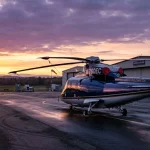
On a foggy January morning in 2020, the world was shaken by the tragic helicopter crash that claimed the lives of basketball icon Kobe Bryant, his daughter Gianna, and seven others. Understanding what happened during these fateful moments is not just about examining the accident; it’s about honoring the lives lost and learning crucial lessons that could enhance aviation safety. This exploration will delve into key factors such as pilot decision-making, weather challenges, and the lack of critical safety equipment that contributed to this heartbreaking event. As we uncover the details behind the tragedy, we’ll also highlight the importance of air safety awareness and the advancements in aviation technology that can help prevent similar incidents in the future. Join us as we piece together the events leading to the crash, and enhance our collective understanding of helicopter safety.
What Caused Kobe Bryant’s Helicopter Crash?
On the fateful morning of January 26, 2020, Kobe Bryant’s helicopter crash was precipitated by a complex interplay of factors largely centered around pilot error and adverse weather conditions. As the helicopter headed towards its destination, the pilot, Ara Zobayan, encountered thick fog that led to poor visibility. Investigations revealed that the pilot was navigating under Visual Flight Rules (VFR), which require pilots to fly with visual reference to the ground and surrounding landmarks. However, the dense marine layer present that day essentially restricted these visual references, making it extremely challenging to fly safely.
Just moments before the crash, Zobayan was reportedly climbing to avoid a cloud layer yet failed to appropriately adjust his flight path to account for terrain. The helicopter tragically missed clearing a hill by merely 20 to 30 feet. The National Transportation Safety Board (NTSB) indicated that the aircraft lacked a terrain awareness and warning system (TAWS), which could have alerted the pilot about the imminent danger of the surrounding terrain. This system is crucial for enhancing safety by providing timely alerts on potential ground collisions during reduced visibility situations.
The pressure to maintain flight under challenging conditions may have played a role in the decisions made that day. Zobayan had reported feeling disoriented shortly before the crash, a scenario not uncommon in flight operations under poor visibility, as pilots can struggle to maintain spatial awareness. This situation, combined with the absence of critical navigational aids and perhaps an influential desire to meet the scheduled destination, culminated in this tragic outcome that took the lives of Kobe Bryant, his daughter Gianna, and seven others on board.
Timeline of the Helicopter Flight
On the morning of January 26, 2020, a tragic sequence of events unfolded as Kobe Bryant’s helicopter departed from John Wayne Airport in Orange County, California. This flight was destined for the Mamba Sports Academy in Newbury Park, where Bryant and his daughter Gianna planned to attend a basketball tournament. Together with seven others, they boarded the Sikorsky S-76B helicopter, a model known for its reliability and comfort.
As the helicopter took off around 9:06 a.m., it encountered a dense marine layer of fog, resulting in poor visibility conditions. Despite the challenges, pilot Ara Zobayan navigated under Visual Flight Rules (VFR), relying on visual references to control the aircraft’s trajectory. However, the thick fog severely limited these references, making it increasingly difficult to maintain sight of the terrain. Approximately 17 minutes into the flight, at 9:24 a.m., the helicopter began to climb to clear a layer of clouds as Zobayan attempted to navigate through the challenging weather.
At 9:45 a.m., the helicopter made its last radar contact just before descending rapidly. The aircraft tragically crashed into a hillside in Calabasas, roughly 20 to 30 feet below the required clearance to avoid the terrain. This high-energy impact marked the end of a flight that had initially promised to facilitate a cherished bonding experience between a father and daughter, as well as provide an opportunity for young athletes to learn the game they loved. The crash claimed the lives of all nine individuals aboard, leaving an indelible mark on the world of sports and the lives of countless fans and family members.
Key Details About the Helicopter Model
The Sikorsky S-76B helicopter, involved in the tragic crash that claimed Kobe Bryant’s life, is renowned for its reliability and versatility. Designed primarily for executive transport, this aircraft boasts a spacious interior and advanced avionics, making it a popular choice among high-profile individuals and corporate clients. Its twin-engine configuration enhances safety and performance, providing a sense of security for passengers during flights. However, the design’s inherent strengths do not negate the critical importance of proper operational conditions and situational awareness.
As a robust model in the Sikorsky S-76 series, the S-76B has been operational since the 1980s and is well-regarded for its comfort and performance. It typically seats up to 12 passengers, with a cruising speed of around 155 knots and a range of approximately 400 nautical miles. The helicopter’s advanced rotor system and noise-canceling features set it apart, offering a quieter and smoother ride compared to many other helicopters in its class. Noteworthy is its ability to operate in various environments, making it suitable for both urban and remote missions.
Despite the commendable specifications, the accident highlights the vital role of pilot decision-making and environmental factors in helicopter safety. On the day of the fatal flight, the S-76B operated under Visual Flight Rules (VFR), which required clear visibility to navigate. Tragically, the dense fog and low visibility conditions severely challenged the pilot’s ability to maintain situational awareness, contributing to the descent into a hillside. This incident serves as a poignant reminder of how even reliable aircraft like the S-76B can be vulnerable when environmental conditions deteriorate, emphasizing the need for strict adherence to safety protocols and thorough pre-flight assessments.
The Sikorsky S-76B stands as a testament to helicopter engineering excellence. As we honor those lost in the crash, it is crucial to also reflect on the lessons related to pilot training, decision-making processes, and the respect needed for environmental conditions when operating these remarkable machines. Through continued learning and transparency in aviation practices, the hope is to enhance safety measures and prevent similar tragedies in the future.
Investigative Findings and Reports
Kobe Bryant’s tragic helicopter crash on January 26, 2020, sent shockwaves across the world, igniting intense scrutiny into the circumstances leading to the accident. As investigators delved into the case, they faced the complex task of piecing together a narrative from various facets-pilot actions, aircraft performance, and environmental influences.
The National Transportation Safety Board (NTSB) led the investigation, focusing on key factors such as the pilot’s decision-making process amid challenging weather conditions. The pilot, Ara Zobayan, was experienced but faced a difficult situation when dense fog impaired visibility. Eyewitness accounts revealed that the helicopter was flying low, attempting to navigate through the haze before ultimately crashing into a hillside in Calabasas, California. The NTSB’s preliminary findings highlighted that the pilot was likely disoriented and may have encountered a condition known as “spatial disorientation,” where one’s perception of direction and speed is skewed.
Investigators examined the helicopter itself-the Sikorsky S-76B-and found no mechanical failures, which pointed to the importance of situational awareness in flight. The aircraft’s operational status was deemed sound, further underscoring the emphasis on pilot judgment during adverse weather. Reports indicated that Zobayan had received instructions to change altitude to avoid the fog but continued on a path that ultimately resulted in the crash. This points to a critical aspect of aviation safety: the need for pilots to adhere strictly to regulations, particularly regarding visual flight rules (VFR) in low-visibility conditions.
The fallout from the investigation extended beyond technical findings. Legal repercussions emerged, with Bryant’s widow, Vanessa, filing a wrongful death lawsuit against the helicopter company and the estate of the pilot. This highlighted broader issues in the aviation industry related to accountability and safety regulations, emphasizing the need for stringent regulatory frameworks to prevent similar incidents in the future. As investigators completed their work, they not only aimed to understand what went wrong that fateful day but also sought ways to enhance helicopter safety standards, ensuring that tragedies like this could be avoided going forward.
Pilot Experience and Qualifications
Ara Zobayan, the pilot of Kobe Bryant’s helicopter, was an experienced and well-respected aviator with over 1,500 flight hours logged, primarily in helicopters. His time at the controls of a Sikorsky S-76B, the same model involved in the crash, equipped him with the technical skills required for safe operating procedures. Zobayan held a commercial pilot certificate and had an instrument rating, which allowed him to fly under various weather conditions. However, his qualifications alone couldn’t mitigate the risks posed by the challenging environment on the day of the tragic accident.
Despite his experience, Zobayan faced a significant challenge during the flight on January 26, 2020. The weather conditions featured dense fog and low visibility, which created the potential for spatial disorientation. Under these circumstances, even seasoned pilots can struggle to assess their altitude and position accurately, making adherence to visual flight rules (VFR) critical. Eyewitness accounts indicated the helicopter flew at low altitudes, a choice that can heighten the risk of encountering unexpected obstacles. Zobayan had reportedly been instructed to change altitude to avoid the fog but continued on his path, which suggests a possible lapse in judgment, compounded by the pressure of the situation.
This incident underscores the importance of continuous training and situational awareness for pilots, especially regarding instruments and emergency protocols in adverse weather. The NTSB’s investigation revealed that while Zobayan was technically qualified, the pressures of flight-combined with deteriorating weather-could distort decision-making processes, even for a skilled aviator. Such realizations serve as crucial reminders for aspiring pilots and those already in the field about the demands of flying and the complexities of navigation and safety in challenging environments.
For aspiring pilots, the journey doesn’t just involve gaining flying experience; it also requires cultivating a keen understanding of weather patterns, navigation technology, and the psychological aspects of flying under stress. As tragic as the crash was, it stands as a pivotal learning opportunity for the aviation community, informing future training and operational practices that emphasize both technical skills and mental readiness in the cockpit.
Weather Conditions on the Day of the Crash
On the fateful day of January 26, 2020, the weather played a pivotal role in the tragic helicopter crash that claimed the lives of Kobe Bryant, his daughter Gianna, and seven others. The conditions in Southern California that morning were marked by dense fog and low visibility, which significantly affected the ability of the pilot, Ara Zobayan, to navigate safely. Such atmospheric challenges can transform even benign flights into perilous endeavors, as they obscure critical visual cues that pilots rely on when flying under visual flight rules (VFR).
The helicopter was reportedly flying at low altitudes, a choice that inherently increases the risk of collision with unseen obstacles, especially in poor visibility. Eyewitnesses noted that the aircraft was difficult to spot due to the thick fog blanketing the area. The National Transportation Safety Board (NTSB) investigation later indicated that the helicopter missed clearing a hill by a mere 20 to 30 feet, a deadly miscalculation that could have been prevented with clearer weather conditions or navigational aids. Unfortunately, the absence of a terrain warning system added to the risks, as it could have provided essential alerts about nearby elevations.
Visibility issues have profound implications for helicopter pilots, who must maintain a keen awareness of not only their altitude but also the obstacles in their flight path. During the flight, signals from the environment may have been distorted due to the weather, leading to spatial disorientation-a phenomenon where pilots are unable to accurately gauge their aircraft’s position in relation to the ground. This situation can easily escalate in conditions where visual references are obscured, making it crucial for pilots to have robust instrument knowledge and capabilities.
For pilots, understanding and interpreting weather patterns is key to ensuring safety during flights. Continuous training that includes simulation of adverse weather conditions can enhance decision-making skills and improve emergency response. The tragic lesson from this incident reiterates the importance of stringent adherence to safety protocols, particularly in challenging weather, reminding both aspiring and current aviators that preparation and awareness are invaluable tools in the cockpit.
Emergency Procedures and Protocols
To navigate the skies safely, pilots must adhere to established that are essential in mitigating risks like those tragically illustrated in Kobe Bryant’s helicopter crash. Grounded in rigorous training and experience, these procedures equip pilots with the skills needed to respond effectively to various in-flight emergencies, especially in challenging conditions like those experienced on January 26, 2020.
In situations where visual references are limited, as was the case due to fog and poor visibility, it’s crucial for pilots to rely on their instruments rather than their sight. Training in *instrument flight rules (IFR)* is essential, allowing pilots to navigate using cockpit displays rather than visual cues from the environment. This kind of training should not only cover the mechanics of flying an aircraft but also provide simulations about spatial disorientation and how to recover from it. The implementation of *standard operating procedures (SOPs)* ensures that every flight is approached with a plan for potential emergencies, encompassing everything from engine failures to adverse weather encounters.
Moreover, continual assessment of both the aircraft’s systems and the external conditions is vital. Pilots should be trained to have a proactive mindset, which includes:
- Situational Awareness: Consistently monitoring the environment and the aircraft’s performance to identify any impending issues.
- Communication: Keeping open lines with air traffic control and communicating with co-pilots or crew members about unusual observations or concerns.
- Checklists: Employing pre-flight and in-flight checklists that cover emergency procedures ensures that no critical steps are overlooked during a fast-paced situation.
In the aftermath of such tragic events, it becomes necessary for the aviation community to reflect on the adequacy of current emergency protocols. There is a growing emphasis on enhancing safety equipment, such as *Terrain Awareness and Warning Systems (TAWS)*, which can alert pilots to nearby obstacles, potentially altering the outcome of similar situations in the future. Fostering a culture of safety and continuous improvement in emergency response measures is crucial not only for the pilots but for all on board. The pursuit of safety extends beyond individual incidents to shaping the future of aviation safety culture as a whole.
Impact of the Crash on Aviation Safety
The tragic helicopter crash that claimed the lives of Kobe Bryant, his daughter Gianna, and seven others on January 26, 2020, has had significant implications for aviation safety. This heart-wrenching incident underscored the importance of rigorous safety protocols and the need for enhanced training for pilots, particularly regarding visibility challenges associated with flying in adverse weather conditions.
Around the time of the crash, the helicopter was navigating under challenging visual flight rules (VFR), and the pilot faced poor visibility due to fog. This scenario highlights the critical need for robust training in instrument flight rules (IFR), which would enable pilots to rely on cockpit instruments rather than visual cues. The tragic outcome of this incident prompted a reevaluation of pilot training programs across the industry. More emphasis is now placed on preparing pilots to handle disorientation and instrument navigation during poor weather, reducing the reliance on visual navigation, which can be dangerously misleading.
Moreover, the incident spurred discussions about improving helicopter safety standards. One significant advancement has been the push for the implementation of Terrain Awareness and Warning Systems (TAWS) in more helicopters. These systems alert pilots to nearby terrain and obstacles, providing crucial guidance during low-visibility flights. The crash highlighted how existing safety technologies could be improved to prevent similar tragedies in the future.
In the wake of the crash, accountability also emerged as a focal point in aviation discussions. The involvement of high-profile figures like Kobe Bryant brought heightened public attention to aviation safety protocols, prompting regulatory bodies to consider stricter regulations on helicopter operations. Enhanced oversight could change the landscape of aviation safety, ensuring that all operators adhere to stringent safety standards, ultimately helping to protect lives and prevent future accidents.
This tragic incident serves as a crucial reminder of the ongoing responsibility within the aviation community to prioritize safety, ensuring that pilots are well-trained and equipped to face the unexpected challenges that come with flying, particularly in diverse weather conditions. As the aviation industry continues to learn from this incident, there is hope for advances that may ultimately reshape the future of helicopter safety and regulation.
Tributes to Kobe Bryant and Victims
The tragic passing of Kobe Bryant, his daughter Gianna, and seven others on that fateful January day in 2020 sent shockwaves around the world, highlighting not just the immense talent of a sports icon, but also the profound impact of losing beloved individuals in tragic circumstances. Kobe’s legacy extended beyond the basketball court; he was a dedicated father, mentor, and inspiration to many. Following the crash, tributes poured in from fans, celebrities, and fellow athletes, underscoring the lives lost and the personal connections formed through sports, music, and community.
In the aftermath of the tragedy, memorials and gatherings took place to honor those who lost their lives. Flowers, messages, and mementos were left at the Staples Center, the home of the Los Angeles Lakers, which became a central location for fans to pay their respects. Social media erupted with heartfelt tributes, with many sharing personal stories of how Kobe had inspired them, not just as an athlete, but as a role model who emphasized hard work, dedication, and the importance of family. Memorials celebrated not only Kobe’s achievements but also noted the bright futures of the young talents aboard that helicopter, like Gianna and her friends, who shared a passion for basketball.
Community and Global Response
The response to the crash was a testament to Kobe’s global influence. Sports leagues, including the NBA, honored him with special tributes, moments of silence, and jersey patches. Games played shortly after the incident featured emotional tributes, and players reflected on their own journeys in the sport, echoing the values Kobe instilled in aspiring athletes everywhere. Nonprofits and basketball camps dedicated to youth development sprang into action, often named in his honor, aiming to foster the next generation’s love for the game and the tenacity Kobe embodied throughout his life.
Furthermore, the helicopter crash prompted a renewed conversation about aviation safety. As tributes flowed, so did the recognition of the need for advancements in safety measures that could protect lives. Discussions on implementing stricter regulations in the aviation industry and enhancing pilot training gained momentum, ensuring that the memory of Kobe and the other victims would help create a safer landscape for future air travel. By focusing on the contributions and values of those lost, the conversation shifted from grief to action, aiming to prevent such tragedies in the future while celebrating the legacies of those who shaped our lives.
Legal and Regulatory Aftermath
In the wake of the tragic helicopter crash that claimed the lives of Kobe Bryant, his daughter Gianna, and seven others, legal and regulatory responses have been both significant and ongoing. The incident not only shocked the world but also spurred discussions about the safety and regulation of helicopter travel, highlighting the importance of addressing potential vulnerabilities in aviation safety protocols.
One of the immediate legal responses came from Vanessa Bryant, Kobe’s widow, who filed a wrongful death lawsuit against the helicopter company, Island Express Helicopters. In her filings, she emphasized the dangers of flying in adverse weather conditions, which were present on the day of the crash. The lawsuit pointed to a broader conversation about pilot training and operational standards for flying in such conditions. This case has opened a window into the complexities of liability in aviation accidents, raising questions about how pilot judgment, company policies, and environmental factors converge in flight safety.
In addition to individual lawsuits, the crash prompted a closer examination of existing regulations governing helicopter operations. The NTSB (National Transportation Safety Board) launched an investigation into the circumstances of the flight, aiming to determine if existing safety measures were adequate. Reports indicated that safety protocols regarding weather-related flight cancellations might need reevaluation to prevent future accidents. Moreover, discussions around implementing advanced terrain awareness and warning systems in helicopters gained traction, emphasizing technology’s role in enhancing flight safety.
Finally, the crash has catalyzed broader conversations about industry standards. As regulatory bodies and advocacy groups look to enhance safety measures, the memory of Kobe Bryant and the other victims has become a rallying point for change. The goal remains clear: to ensure that no family endures such heart-wrenching loss in the future by fostering a culture that prioritizes safety and comprehensive pilot training.
In conclusion, the of this crash continues to evolve, reflecting a commitment to learning from past tragedies. As the aviation community analyzes this incident, the hope is for meaningful changes that not only honor those who lost their lives but also improve safety for all who travel by air.
How Helicopter Crashes are Investigated
A helicopter accident investigation is a meticulous process that delves deeply into the circumstances surrounding the crash. Following the tragic incident involving Kobe Bryant’s helicopter, the National Transportation Safety Board (NTSB) conducted a thorough investigation to uncover the facts and prevent future occurrences. This process typically involves multiple stages, including the collection of evidence, examination of wreckage, interviews with witnesses and experts, and analysis of flight data.
The first step in any investigation is to secure the crash site. Investigators establish a perimeter to protect the scene and gather as much physical evidence as possible. In the case of Bryant’s crash, they focused on reconstructing the last moments of flight, examining the conditions and decisions made by the pilot, Ara Zobayan. Crucial to this investigation were the weather conditions at the time, as Zobayan reportedly flew into heavy clouds, which contributed to his disorientation, leading to the crash [1][2].
Investigators utilize advanced technology to analyze flight data recorders, commonly known as “black boxes.” Although Zobayan’s helicopter was not equipped with such devices, investigators relied on radar data and witness accounts to piece together the aircraft’s movements leading up to the crash. This critical information helps to identify patterns that could indicate pilot error or mechanical failure. In the aftermath of the Bryant crash, the NTSB highlighted the need for improved safety equipment in helicopters, including crash-resistant flight data recorders to ensure accurate and reliable data collection in future incidents [2].
Lastly, the investigation culminates in a comprehensive report that outlines findings, probable cause, and recommendations to enhance aviation safety. The NTSB looked into the broader implications of the crash, emphasizing the importance of strict adherence to weather-related flight rules and better pilot training. This case illustrates not only the technical aspects of aviation investigations but also their social responsibility; the goal is to learn from every incident to improve safety for all flying passengers and to honor the lives lost in tragic events.
Lessons Learned from the Tragedy
The tragic incident involving Kobe Bryant’s helicopter serves as a critical reminder of the myriad factors that impact flight safety. One of the key lessons learned revolves around the importance of adhering to weather-related flight rules. On the day of the crash, the pilot, Ara Zobayan, faced deteriorating visibility and flying conditions. Instead of opting for a safer course of action, he attempted to complete the flight, which ultimately proved disastrous. This emphasizes that pilots must prioritize safety over obligations, regardless of pressure from clients or circumstances.
Another important takeaway is the necessity for comprehensive training and resources for pilots, particularly regarding single-pilot operations. The National Transportation Safety Board (NTSB) report underscored the danger of “continuation bias,” where a pilot’s desire to complete a flight can cloud judgment. To mitigate such risks, enhanced training programs focusing on decision-making in adverse conditions and risk management should become a standard part of pilot education.
Moreover, the investigation highlighted the urgency for upgrading safety equipment within helicopters. The absence of crash-resistant flight data recorders in Zobayan’s aircraft limited investigators’ ability to analyze flight data post-accident. Implementing advanced safety technologies could provide critical insights in future investigations, ultimately leading to improved safety standards across the aviation industry.
Lastly, the aftermath of this tragedy underscores the importance of creating an aviation culture that prioritizes safety. Aspiring pilots and seasoned aviation professionals alike must be encouraged to embrace safety protocols and to advocate for a no-fly decision when circumstances are questionable. This proactive mindset could very well prevent future tragedies, honoring the memory of those lost by ensuring their fate is not repeated.
Faq
Q: What were the main findings from the NTSB investigation of Kobe Bryant’s helicopter crash?
A: The NTSB investigation revealed that the helicopter missed a hill by 20 to 30 feet due to pilot error and lack of a terrain awareness warning system. The pilot was ascending to avoid clouds at the time of the fatal crash. The accident was classified as a high-energy impact crash due to the conditions at the time [[1]].
Q: What caused the helicopter to crash on the day of the incident?
A: The crash occurred under low visibility conditions due to fog. The pilot was reportedly navigating through these conditions without adequate instrumentation, leading to spatial disorientation as he attempted to gain altitude over a terrain that was obscured [[2]].
Q: Who were the other victims in the helicopter crash with Kobe Bryant?
A: Alongside Kobe Bryant and his daughter Gianna, the crash claimed the lives of pilot Ara Zobayan, John Altobelli, Keri Altobelli, Alyssa Altobelli, Sarah Chester, Payton Chester, and Christina Mauser, all of whom were on their way to a basketball game Q: What legal actions were taken following the crash? A: Following the crash, Vanessa Bryant filed a wrongful death lawsuit against the helicopter company Island Express Helicopters and the estate of the pilot, addressing allegations of negligence related to the crash conditions [[2]]. A: The tragic incident highlighted the need for improved safety measures in helicopter operations, especially concerning weather conditions and emergency protocols. It has prompted discussions about potential regulatory changes to enhance pilot training and helicopter safety standards [[1]]. A: The helicopter involved in the crash was a Sikorsky S-76B. Known for its reliability and performance, this model is commonly used for transport but, in this instance, faced challenges during adverse weather conditions Q: What safety features were missing from Kobe Bryant’s helicopter? A: The helicopter lacked a terrain awareness and warning system (TAWS), crucial for alerting pilots to obstacles. This absence was a significant factor in the tragic accident, as it could have warned the pilot of the impending collision with terrain [[1]]. A: Helicopter crashes like Bryant’s have profound emotional effects, leaving families traumatized and communities in mourning. This tragedy highlighted the importance of support systems and mental health resources for bereaved families during the grieving process. As we reflect on the tragic events surrounding Kobe Bryant’s helicopter crash, it’s essential to remember not only the man but the legacy he leaves behind. Understanding the factors that contributed to this heartbreaking incident sheds light on the complexities of helicopter safety and maintenance. If you’re curious to explore more about aviation safety practices or the technology behind helicopters, check out our in-depth articles on helicopter safety protocols and the latest helicopter models. Don’t let this story end here-join our community by signing up for our newsletter to stay updated on aviation news and insights. Share your thoughts and experiences in the comments below; your voice matters! Whether you’re an aviation enthusiast or seeking to learn more about flying, there’s always something new to discover. Let’s honor the legacy and lives lost by continuing to educate ourselves and support each other in the fascinating world of aviation. Get our latest guides, news, and insights highlighted in your Google Search & AI Overviews.Q: How did the crash impact regulations in the aviation industry?
Q: What type of helicopter was involved in Kobe Bryant’s crash?
Q: What are the psychological impacts of helicopter crashes on families and communities?
In Retrospect