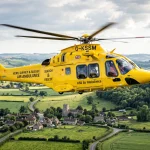
Helicopter travel offers breathtaking views and quick access to remote locations, but the thought of a crash can be alarming. With helicopters having a unique ability to hover and maneuver in tight spaces, understanding how to survive a helicopter incident is crucial. In this guide, we’ll explore essential life-saving tips that can make a life-or-death difference during an emergency. Whether you’re a seasoned aviation enthusiast or a casual traveler, being prepared empowers you to face the unexpected. Join us as we uncover practical strategies and insights that may one day help you or your loved ones navigate the complexities of helicopter safety, ensuring you are ready should the worst occur. Your safety-and the safety of those around you-starts with knowledge.
Understanding Helicopter Crash Mechanics and Causes
The intricate mechanics of helicopter crashes are as fascinating as they are tragic, with various factors contributing to incidents that can upend the lives of those involved. Helicopters operate on the unique principle of lift through rotating blades that generate thrust, but this complexity can lead to catastrophic scenarios if something goes wrong-be it mechanical failure, human error, or adverse weather conditions.
Crashes can occur during different phases of flight, including takeoff, hover, and landing. Mechanical failures like rotor blade malfunctions or power loss are significant causes of accidents. Additionally, environmental factors such as turbulence can affect stability. Pilots must also be aware of their limits and those of the aircraft; exceeding operational guidelines can lead to loss of control. Training plays a vital role here; understanding the helicopter’s systems and conducting pre-flight checks are essential to ensuring safety.
Human factors, including fatigue and stress, can impair decision-making. In high-stress scenarios, such as flight in adverse weather or emergency landings, a pilot’s ability to respond effectively can mean the difference between a safe recovery and a disaster. Moreover, flight paths that traverse challenging terrain or urban environments add layers of risk, necessitating thorough planning and understanding of potential escape routes in emergencies.
In summary, understanding the mechanics and causes of helicopter crashes is crucial for both operators and enthusiasts. Safeguarding against potential breakdowns and being prepared for emergencies significantly enhances survival rates. Education and training are paramount, as they equip pilots to handle the complexities of flight and mitigate the risks associated with flying. Ultimately, a solid grasp of helicopter operations coupled with diligent safety practices can foster a safer flying environment for all.
Essential Safety Gear for Helicopter Passengers
Wearing the right safety gear can significantly enhance a passenger’s chances of survival in the event of a helicopter crash. While helicopters are among the most versatile flying machines, their unique structure and operating environment bring specific risks. Passengers can take proactive steps to protect themselves by equipping themselves with essential safety equipment.
Key Safety Gear for Passengers
- Helmet: A well-fitted aviation helmet can protect passengers from head injuries caused by sudden impacts or turbulence during a crash. Look for helmets designed for aviation use that include features such as a face shield for added protection.
- Life Vest: For flights over water, inflatable life vests can be lifesavers. These vests are typically lightweight and can be packed within the seat cushion or worn. Knowing how to use them effectively increases survival chances in water emergencies.
- Fire Retardant Clothing: Wearing clothing made from fire-resistant materials can help protect against burns in the event of a fire post-crash. This gear is especially vital in helicopters that operate in environments prone to fire exposure.
- Seatbelt: Always ensure that the helicopter’s provided seatbelt is securely fastened. It minimizes movement during turbulence and prevents ejection during an unexpected emergency landing.
- Emergency Instructions: Familiarize yourself with the helicopter’s safety procedures and emergency exits. Understanding how to exit the helicopter quickly in various scenarios can drastically improve survival odds.
Preparing for a helicopter flight means not just knowing what to expect but also what to wear for optimal safety. Each piece of gear serves a distinct purpose and enhances the protective measures against potential accidents. While it’s essential to be aware of the risks, proactive precautions can provide peace of mind and significantly contribute to passenger safety.
Preparing for a Helicopter Flight: Key Tips
Before stepping into a helicopter, it’s vital to be well-prepared for the unique experience that awaits you. Helicopters, while incredible machines, can present specific challenges during flight. The more informed you are, the better equipped you’ll be to manage any situation that may arise. Understanding the environment, the flight process, and your role as a passenger can significantly enhance your readiness for the journey ahead.
To start, familiarize yourself with the helicopter’s layout and emergency procedures. Each type of helicopter might have different exit locations and operational features. Asking your pilot or flight crew about these details can be immensely helpful. Being aware of where the emergency exits are located and how to operate them can save precious seconds in a crisis. Additionally, pay close attention to the pre-flight safety briefing; the information shared will be designed to keep you safe and is tailored to that specific aircraft.
Pack wisely for your helicopter flight. Choose clothing that is comfortable yet suitable for the environment you will be flying over. If the flight is over water, consider wearing or having access to a life vest. For flights in colder regions, layering is key; it keeps you comfortable and allows you to easily manage changes in temperature as you ascend or descend. Moreover, always wear closed-toe shoes with slip-resistant soles to ensure safety when entering and exiting the aircraft.
Lastly, maintain a relaxed and positive demeanor. Flying, especially in a helicopter, can be an exhilarating experience filled with breathtaking views. Remaining calm can help you comply with instructions and react appropriately in any unexpected situation. Remember, your pilot is highly trained to handle various scenarios, and keeping this in mind can enhance your comfort level while flying. By preparing mentally and physically for your helicopter journey, you can make the most of the adventure while also being ready for the unexpected.
Steps to Take During a Helicopter Emergency
In the rare event of a helicopter emergency, every second counts. Understanding the right steps to take can be the difference between survival and tragedy. When faced with a sudden situation, remain calm and focused. The initial moments are critical; prioritize assessing your surroundings and your condition. Remember, the pilot, who is trained to respond to various emergencies, will also be your mainstay during this stressful time, so lean on their expertise.
Immediate Actions
- Stay Seated Until Advised: Unless instructed otherwise, remain in your seat with your seatbelt secured. Unbuckling too soon can expose you to greater danger, especially if the helicopter is in a precarious position.
- Listen to the Pilot’s Instructions: The pilot will guide you through the situation. Whether it’s a controlled landing or preparing for an evacuation, adhering to their directions is paramount.
- Assess the Environment: If landing is imminent, pay attention to potential hazards from the terrain-such as power lines, water bodies, or dense vegetation. Be mentally prepared for the specific landing conditions you might encounter.
Evacuation Procedures
If an evacuation becomes necessary, follow these guidelines:
- Know Your Exits: Before flying, familiarize yourself with the helicopter’s layout and emergency exits. In a crash scenario, knowing the quickest way out can save precious time.
- Exit Method: Use the nearest exit and exit quickly but cautiously. If the helicopter is overturned or in water, keep your head low and aim for the nearest available exit.
- Assist Others: If conditions allow, help fellow passengers if they seem disoriented or unable to evacuate quickly. However, ensure your own safety first as well; do not put yourself at risk trying to assist others.
After Exiting
Once you’re out of the helicopter, your actions can significantly impact your wellbeing:
- Move to Safety: Get to a safe distance away from the helicopter and any potential hazards, such as fire or fuel leaks.
- Stay Together: If you are not alone, stay together with other survivors. This can aid in rescuers locating your group quickly.
- Signal for Help: If you have a mobile phone or a signaling device, use it to alert emergency services. If you are in a remote area, try to create a visible signal like a large “X” using clothing or equipment.
In emergencies, having a clear mental framework can guide your actions when adrenaline and fear threaten to overwhelm. By taking calm, measured steps focused on safety and communication, you significantly enhance your chances of surviving a helicopter incident.
Post-Crash Survival: What to Do First
In the aftermath of a helicopter crash, the moments immediately following the event are crucial for survival. Many passengers may experience shock or confusion, but maintaining a clear head is imperative. The first step is to assess your own condition: check for injuries and try to determine if you can move. Understanding your physical state will help you make informed decisions about your next actions.
Once you have assessed yourself, it’s vital to evaluate the environment around you. Look for potential hazards, such as smoke, fire, or leaking fuel, which could pose additional threats. If the helicopter is on land, be aware of the terrain and any other dangers (like power lines or water bodies) that could complicate your escape. In scenarios involving water, such as a forced landing in a lake or ocean, prioritize getting out quickly to avoid submersion.
Evacuation Steps
In the case of a crash, evacuation may be necessary. Here are practical steps to consider:
- Exit the Helicopter: If it is safe to do so, use the nearest exit. Familiarity with the helicopter’s layout can be invaluable if you prepared in advance but is still important to consider in the chaos.
- Keep Your Spirits Up: Encourage other passengers to evacuate as well. Staying calm and rallying your companions can facilitate a quicker and safer exit.
- Move Away Quickly: Once outside, move a safe distance away from the aircraft. Helicopters can pose risks even after landing due to the potential for explosions or fuel ignitions.
Post-Evacuation Actions
After escaping the helicopter, take critical steps to ensure your safety and improve your chances for recovery:
- Signal for Help: Use a mobile device, whistle, or reflective items to attract attention. If you have means to communicate, inform emergency services of your location.
- Stay Together: If you are not alone, gather with other survivors. This can help ensure that everyone is accounted for and can aid rescuers in locating your group.
- Reassess Your Surroundings: Continue to monitor your environment for any changes in safety or new hazards as you wait for rescue.
During this intense period, remembering to stay calm and focused can significantly enhance your survival chances. Your actions directly after a crash can be life-saving, as they set the stage for securing help and ensuring safety in a potentially devastating situation.
Common Injuries in Helicopter Crashes and How to Avoid Them
In the chaos of a helicopter crash, understanding the potential injuries and how to mitigate them is crucial for survival. Helicopter passengers may face various injuries due to the impact, debris, or post-crash hazards such as fire and smoke. Common injuries include traumatic brain injuries (TBIs), fractures, soft tissue injuries, and respiratory issues from inhaling smoke or toxic fumes. The immediate aftermath of a crash is not only physically daunting but also psychologically overwhelming, making awareness and preparation essential.
To minimize the risk of these injuries, wearing appropriate safety gear plays a pivotal role. Helicopter passengers should always wear seatbelts and be familiar with the operation of restraints. While it might seem obvious, the proper usage of seatbelts can significantly reduce the severity of injuries during a crash by preventing ejection from the aircraft. Additionally, passengers should consider wearing helmets and other protective gear if the operation permits. Such precautions protect against head injuries and provide a buffer against debris.
Another vital strategy for injury prevention is awareness of the surroundings while on board. Prior to takeoff, familiarize yourself with the emergency exits and the helicopter’s layout. Knowing where the exits are located can save precious seconds during an evacuation, allowing passengers to escape more quickly. Furthermore, during flight, passengers should remain alert to the helicopter’s motions and listen closely to any instructions from the pilot or crew, ensuring they are prepared for sudden maneuvers that may indicate trouble.
In case of a crash, staying calm is paramount. Reacting promptly by following the established evacuation procedures can significantly increase your chances of avoiding injuries related to panic or confusion. If the aircraft lands hard or tips over, immediately assess your condition and help others if you are able. Maintaining focus during these critical moments can often mean the difference between life and death.
Being educated and prepared can significantly reduce the risk of serious injury in a helicopter crash. Although the idea of flying in a helicopter may evoke a sense of thrill, understanding and recognizing these risks, combined with proactive measures, can enhance passenger safety and survival outcomes in emergency situations.
Rescue Operations: What Happens After a Crash
In the aftermath of a helicopter crash, rapid response and effective rescue operations are crucial to saving lives and mitigating further harm. Rescuers are often challenged by the chaotic scene, where debris, potential hazards like fire or smoke, and injured passengers can complicate the situation. Typically, emergency response teams are alerted immediately upon the receipt of an incident report, which enables them to mobilize quickly with the right resources.
Once on the scene, rescuers prioritize assessing the area for safety. This includes identifying any immediate dangers, such as ruptured fuel lines or unstable aircraft. When the environment is deemed secure, teams will focus on locating survivors. This process usually involves a systematic sweep of the wreckage, employing specialized equipment and trained personnel. Given that helicopter crashes often occur in remote or difficult-to-access areas, helicopters and drones may also be deployed to facilitate the search and aid in transporting injured individuals to safety.
Key Steps in Rescue Operations
- Initial Assessment: Evaluating the crash site for stability and potential hazards.
- Search and Locate: Using trained personnel and technology to find victims within the wreckage.
- Medical Attention: Providing triage and emergency medical care to those injured.
- Evacuation: Transporting survivors, often via airlift or ground vehicles, to medical facilities.
Understanding how rescue operations unfold can prepare future passengers not just emotionally, but also provide practical knowledge about what to expect. Rescue teams are typically equipped with specialized training to handle aviation accidents, which includes knowledge of structural collapse, fire suppression, and advanced first aid. Remember, staying calm and providing clear information about your location and condition can significantly assist rescue efforts.
In every rescue operation, the goal is not just to extract survivors but also to prevent additional injuries while preserving life. While such situations are harrowing, the dedication of first responders and the procedures they follow can lead to successful outcomes, as they work tirelessly to ensure that each person affected receives the attention they need.
Real-Life Helicopter Crash Survival Stories
In the face of catastrophic situations, stories of survival from helicopter crashes stand as testaments to human resilience and ingenuity. One remarkable account is that of a group of tourists who experienced a harrowing crash in the wilderness of Canada. The helicopter lost engine power shortly after takeoff and plunged into a dense forest. Despite the disorienting impact, the passengers quickly assessed their surroundings. They remembered safety briefings where they learned to remain calm and check for injuries first. With a series of quick decisions, they managed to locate their cellphones and contacted emergency services, providing crucial information about their location, which was complicated by the isolated environment.
Another survival story involves a medical helicopter forced to make an emergency landing in rough terrain due to severe weather conditions. The pilot deployed a controlled descent strategy that ensured the craft touched down gently, preserving the lives of the onboard medical staff and a patient. After the landing, despite damage to the helicopter, everyone escaped without serious injuries. The crew utilized their training to stabilize the patient and create a safe perimeter until rescue teams could reach them. Their adherence to standard emergency protocols turned a potentially tragic event into a successful survival.
These narratives highlight the importance of safety training and preparation for anyone who flies in helicopters. Understanding the proper responses during an emergency can make a critical difference. Here are some life-saving tips that can be derived from these stories:
- Stay Calm: Panic can lead to poor decisions. Focus on assessing your surroundings.
- Check for Injuries: Prioritize your well-being and that of others before making any attempts at evacuation.
- Use Available Resources: If you have a phone or other communication device, contact emergency services with your location.
- Follow Emergency Protocols: Familiarize yourself with safety briefings and evacuation procedures before flying.
By embracing the lessons from these real-life experiences, helicopter passengers can enhance their chances of survival in the event of an emergency, exemplifying how preparedness and quick thinking can profoundly impact outcomes.
Myths and Facts About Helicopter Safety
Many misconceptions surround helicopter safety that can misleadingly shape perceptions and behaviors during a flight. One of the most common myths is that helicopters are inherently dangerous due to their complex mechanics and reliance on rotor systems. In reality, helicopters are designed with multiple safety features, including redundant systems for critical components, which contribute to their overall safety. According to data, the fatality rate in helicopter operations has significantly decreased over the years due to advances in technology and robust training programs for pilots.
Another prevalent belief is that a helicopter’s ability to autorotate-gliding to a landing without engine power-means crashes are unlikely. While it’s true that skilled pilots can execute autorotations effectively, various factors such as altitude, weight, and environmental conditions influence the success of this maneuver. Passengers should understand that while pilot training is crucial, external factors can still pose risks. Thus, recognition of potential dangers and preparation can enhance safety, emphasizing the importance of following safety protocols during flights.
Understanding Helicopter Equipment
A surprising fact is that the safety gear provided to passengers in helicopters is often overlooked. Many people think that all that’s needed is a seatbelt. In fact, additional equipment such as helmets and flotation devices may be essential, particularly for flights over water or in remote areas. By becoming familiar with the safety equipment available, passengers can better prepare themselves for emergencies.
Emergency Training and Protocols
Finally, a common myth is that emergency procedures are unnecessary for passengers, as they believe that pilots will handle everything during a crisis. However, having a basic understanding of emergency protocols can significantly impact survival chances. Passengers should be proactive in learning about safety measures, including the locations of emergency exits, how to operate them, and basic survival tips in case of a crash.
By dispelling these myths, we empower helicopter passengers with the knowledge necessary to make informed decisions and take preventive actions that enhance their safety and survival odds in the unlikely event of an incident.
Helicopter Emergency Training: A Must for Pilots
Effective emergency training is not just a good practice for helicopter pilots-it is crucial for survival in critical situations. Every second counts in an emergency, and well-prepared pilots can dramatically increase the odds of a safe outcome. Various training programs focus on key areas such as troubleshooting in-flight emergencies, practicing autorotation landings, and executing emergency procedures effectively under stress.
One essential component of this training is performance during simulated emergency scenarios. Pilots undergo rigorous drills that include power failure, tail rotor failure, and other critical malfunctions. These realistic simulations help pilots develop muscle memory and decision-making skills that are invaluable during actual emergencies. For instance, practicing an engine failure at a specific altitude allows pilots to understand their helicopter’s glide capabilities better, reinforcing the importance of selecting a safe landing area quickly.
Benefits of Emergency Training
The advantages of thorough emergency training extend beyond immediate safety benefits. Pilots who regularly engage in this type of training report increased confidence in their ability to handle unforeseen situations. This confidence not only enhances individual performance but also contributes to better communication and teamwork among crew members, should a crisis arise.
Moreover, emergency training can involve familiarization with the aircraft’s safety features-like safety belts and flotation devices-which equips pilots with knowledge on how these elements can aid in an emergency.
Continuing Education and Recurrency Training
Many regulatory authorities recommend or require periodic recurrency training to ensure that pilots remain up-to-date with the latest safety procedures and aircraft technology. This ongoing education includes refreshing skills in emergency landings, understanding new safety gear, and staying informed about advancements in rotorcraft safety systems.
In sum, emergency training is indispensable for helicopter pilots. It prepares them not just to manage emergencies but also to instill a sense of assurance in their passengers. By cultivating a culture of safety and preparedness within the cockpit, pilots can lead by example, ensuring that all on board are better prepared for the unexpected. Whether in training or real-life situations, the ability to respond effectively can make the difference between a disaster and a safe recovery.
Legal Aspects: Understanding Crash Liability and Claims
Understanding the legal implications following a helicopter crash is crucial for survivors and their families. In the aftermath, establishing liability can be complex, often requiring a deep dive into various factors including pilot error, mechanical failure, or negligence on the part of the helicopter operator. Each potential aspect plays a significant role in determining who is responsible and what claims may be viable.
Identifying Liability
Liability for a helicopter accident can arise from multiple sources. The pilot may be held accountable if they acted recklessly or failed to adhere to safety regulations. Additionally, the helicopter’s manufacturer could be implicated if a design flaw contributed to the crash. In many cases, the company that owns or operates the helicopter may also face claims, particularly if they neglected proper maintenance or training protocols. This multifaceted nature of liability often leads to comprehensive investigations by aviation authorities, and evidence gathered can include flight data, maintenance records, and witness statements.
- Pilot Error: Inadequate training or decision-making under pressure.
- Mechanical Failure: Issues stemming from poor maintenance or design flaws.
- Operator Negligence: Lack of adherence to safety regulations or operational protocols.
Claims and Compensation
Victims of helicopter crashes often seek compensation through legal claims. This can be pursued via personal injury lawsuits, which aim to cover medical expenses, lost wages, and emotional distress. Importantly, these claims can also extend to wrongful death suits for families who have lost loved ones, offering a path to seek damages for grief, loss of companionship, and financial support that the deceased provided.
Being prepared to navigate these legal waters requires understanding the statutory limits for filing claims, which can vary significantly by jurisdiction. Additionally, engaging with legal professionals specializing in aviation accidents can greatly aid victims or their families in understanding rights and potential compensation.
Understanding Insurance
Another critical aspect is insurance coverage. Helicopter operators typically carry liability insurance, which can cover damages resulting from crashes. However, the extent of coverage can vary, and understanding the applicable policy terms is vital. Injured parties should not hesitate to consult with insurance adjusters and legal experts to ensure they receive fair compensation.
In conclusion, comprehending the legal landscape following a helicopter crash is essential for victims and their families. Identifying liability involves careful consideration of various factors, pursuing claims requires knowledge of legal rights and procedures, and navigating insurance is a complex but crucial aspect of recovery. Being informed can empower individuals to take the necessary steps toward justice and healing.
Choosing a Safe Helicopter Operator: What to Look For
Selecting a helicopter operator requires careful consideration as it can significantly impact your safety during flights. An alarming statistic is that nearly half of all helicopter crashes stem from operational mistakes or equipment failure, making operator choice crucial. Before you book that exciting aerial tour or emergency transport, here are key factors to evaluate.
First and foremost, confirm the operator’s certification and safety record. Ensure they are licensed by the Federal Aviation Administration (FAA) or the relevant aviation authority in your country. Check for any history of accidents, incidents, or enforcement actions against them. A reputable operator will often openly share their safety statistics and maintenance protocols. They are also likely to participate in safety training programs or belong to industry organizations that promote aviation safety standards.
Next, consider the pilot qualifications. Inquire about the experience and training of the pilots who will be flying you. A qualified pilot should have substantial hours of flight experience, particularly in the specific type of helicopter being used. They should also regularly undergo recurrent training that emphasizes emergency procedures and adverse weather conditions handling. Understanding the pilot-to-passenger ratio may also provide insights into how well passengers are managed during flights.
Additionally, look into the maintenance practices of the operator. Regular and thorough maintenance checks are vital for the reliability of helicopter operations. Ask about their maintenance schedule, adherence to manufacturer recommendations, and whether they have a full-time maintenance team. A good operator invests in preventive maintenance and keeps up to date with any necessary repairs.
Lastly, review customer reviews and testimonials. Feedback from previous customers can provide valuable insights into their experiences related to safety, professionalism, and overall satisfaction. Look for operators with positive ratings across different platforms and who respond constructively to criticisms.
By taking these factors into account, you can make a more informed decision when selecting a helicopter operator, potentially enhancing your safety and overall experience in the skies.
Frequently Asked Questions
Q: What should I do to prepare for a helicopter crash?
A: To prepare for a helicopter crash, familiarize yourself with the safety features of the helicopter and review crash procedures. Wear a safety belt, stay low, and keep your head protected during impact. Knowing your exits can increase survival chances-practice locating them before takeoff.
Q: How do I position myself during a helicopter crash?
A: During a helicopter crash, position yourself sitting upright and centered in your seat. Keep your feet flat on the floor, hands braced against the seat, and head down, protecting it with your arms. This posture minimizes injury from sudden deceleration or impact.
Q: What immediate actions should I take after a helicopter crash?
A: After a helicopter crash, ensure your surroundings are safe before exiting. Look for fire or smoke, and if safe, evacuate the helicopter quickly using the nearest exit. Follow this by checking yourself and others for injuries and, if necessary, move to a safe distance from the wreckage.
Q: Are there any common misconceptions about surviving helicopter crashes?
A: Yes, a common misconception is that helicopters are inherently unsafe. While crashes can occur, modern safety measures significantly reduce risks. Many incidents result in survivable outcomes due to effective safety protocols and the actions taken during emergencies.
Q: What role does emergency training play in helicopter crash survival?
A: Emergency training provides vital skills and knowledge that enhance survival during a helicopter crash. It teaches evacuation strategies and safety protocols, empowering passengers and crew to act swiftly and effectively in emergencies, potentially saving lives.
Q: How can safety equipment improve my chances in a helicopter crash?
A: Safety equipment enhances survival prospects by providing protection against impact and environmental hazards. Items like life vests, seatbelts, and fire extinguishers play critical roles in ensuring passenger safety and facilitating quick evacuation.
Q: Why is situational awareness important during a helicopter flight?
A: Situational awareness is crucial during a helicopter flight as it enables you to detect potential hazards and respond effectively. Being aware of your surroundings allows for better decision-making and preparedness, which can be lifesaving in case of an emergency.
Q: How do I report a helicopter crash or emergency?
A: To report a helicopter crash, immediately contact emergency services by dialing your local emergency number. Provide clear details about the crash’s location, the number of people involved, and any visible hazards. If safe to do so, assist with first aid until help arrives.
Wrapping Up
As we conclude our exploration of life-saving tips for surviving a helicopter crash, remember: preparation is key. Understanding the dynamics of helicopter safety and knowing what to do in an emergency can make a critical difference. We encourage you to review these tips regularly and share this vital information with friends and family. For further insights, check out our guides on helicopter safety equipment and emergency response techniques [link to relevant content], which will further enhance your preparedness.
Your safety and knowledge are important; consider subscribing to our newsletter for the latest updates on aviation safety and tips [link to newsletter signup]. Have questions or experiences to share? We’d love to hear from you in the comments below! By staying informed and engaged, you’re taking proactive steps toward safety in the skies. Explore more about helicopter technology and the fascinating world of aviation [link to related topics]; there’s always more to learn.
Get our latest guides, news, and insights highlighted in your Google Search & AI Overviews.