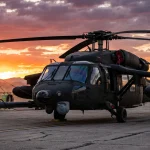
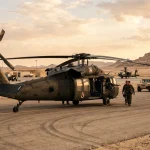
What is the cost of a Blackhawk helicopter? The purchase cost of a Blackhawk helicopter varies significantly based on procurement tier: a brand-new, factory-standard military Sikorsky UH-60M Black Hawk has a base flyaway cost of approximately $12 million to $15 million USD. However, under international Foreign Military Sales (FMS) contracts—which bundle full mission equipment, laser defensive suites, pilot training, and spare parts—the complete program cost ranges between $25 million and $35 million per helicopter.
In the civilian sector, newly built commercial utility variants like the Sikorsky S-70i Firehawk cost $18 million to $25 million fully equipped for aerial wildland firefighting, while demilitarized surplus UH-60A airframes can be purchased at government GSA auctions for $500,000 to $2.5 million (before costly civil airworthiness overhauls).
The Sikorsky UH-60 Blackhawk helicopter is not just a military workhorse; it’s a symbol of versatility and resilience in aviation. With its advanced technology and capabilities, understanding the cost of a US Blackhawk helicopter offers valuable insights for both aviation enthusiasts and potential military contractors. From the budget required for procurement to the long-term maintenance costs, exploring these financial aspects can help you grasp what it takes to support this dynamic aircraft. Whether you’re a budding aviator or simply curious about military aviation, the financial implications play a crucial role. Join us as we delve into the real prices and factors influencing the cost of a Blackhawk, and enhance your understanding of this iconic helicopter’s impact on aviation and military operations.
Factors Influencing Blackhawk Helicopter Prices
One of the most significant factors influencing the price of Blackhawk helicopters is their intended use. The versatility of the Sikorsky UH-60 Blackhawk allows it to serve various roles, from military operations to medical evacuations and VIP transport. This broad range means that different configurations and capabilities can markedly affect pricing. For instance, a baseline model for military operations will differ in cost from a customized version equipped for offshore oil support or search and rescue missions.
Military Demand and Specifications
The military’s procurement processes can heavily influence Blackhawk prices. Government contracts are typically large, involving extensive specifications tailored to mission requirements, which can drive costs up based on advanced avionics, weapons systems, and enhanced survivability features. Additionally, because many Blackhawks are subject to competitive bidding, prices can fluctuate based on the contractors involved and the urgency of the military’s operational needs.
Condition and Market Variability
The condition of the helicopter, whether new or used, drastically alters its price point. Brand new Blackhawks can range from $5 million to $21 million depending on the version and equipment. Conversely, used Blackhawks generally sell for much lower prices, though factors like flight hours, maintenance history, and upgrades can affect their marketability. For instance, a well-maintained used Blackhawk with low hours may fetch a price close to a new model, especially if it includes desirable upgrades.
Customization and Upgrades
Customization is another critical factor. Many operators opt for enhancements such as advanced communication systems, specialized mission equipment, or better interior configurations, which can significantly increase the original purchase price. These modifications can cater to specific operational needs, thus appealing to buyers who require capabilities that standard models may not provide.
Overall, while the Blackhawk is a robust and popular aircraft, its price is influenced by a complex interplay of operational requirements, market conditions, customization options, and military specifications. Understanding these dynamics is crucial for potential buyers and operators looking to navigate the marketplace effectively.
Average Cost of a New US Blackhawk Helicopter
The Sikorsky UH-60 Blackhawk helicopter, renowned for its versatility and robust capabilities, commands a significant investment. New models typically range between $5 million and $21 million, depending on various factors such as configuration, mission-specific adaptations, and technological integrations. For example, a basic military version of the Blackhawk may come at the lower end of this range, while fully customized models with advanced avionics and accessories, designed for specialized missions, can reach the upper limits of the price spectrum.
Factors Affecting Cost
Several elements contribute to the cost variations of a new Blackhawk helicopter:
- Configuration: Different models cater to distinct operational needs. Medical evacuation variants, anti-submarine warfare helicopters, or those specialized for rescue missions come at differing price points.
- Technology: Advanced systems such as enhanced avionics, communication tools, and weaponry will drive the price up considerably.
- Market Conditions: Competitive bidding processes in military procurement can fluctuate costs, influencing final pricing based on available budget allocations.
Investing in a new Blackhawk is not merely about acquiring an aircraft; it’s about securing an asset equipped for diverse and challenging operations. Understanding these price brackets allows potential buyers-be they military entities or commercial operators-to align their needs with the right configuration and technological enhancements.
As you explore this investment, consider not only the initial purchase price but also the long-term operational expenses, customization options, and potential financing avenues-each of which can profoundly affect overall ownership costs and operational readiness.
Comparative Analysis: Blackhawk vs. Competitor Helicopters
The Sikorsky UH-60 Blackhawk helicopter stands out in a crowded market, known for its adaptability and high performance. When comparing it to competitor helicopters, several factors come into play that significantly influence both operational capabilities and costs. For instance, the Blackhawk is often pitted against other multi-role helicopters like the Boeing CH-47 Chinook and the Eurocopter EC725. Each of these helicopters serves various missions, yet they differ in cost, payload capacity, and technological offerings.
One critical aspect that showcases the Blackhawk’s appeal is its versatility. While basic configurations can start as low as $5 million, advanced variants with specialized equipment can escalate to around $21 million. In contrast, the Chinook, which specializes more in heavy-lifting capabilities, generally comes at a higher price point, starting around $30 million. Although the EC725 offers advanced multi-mission performance, its costs can rival that of the Blackhawk when considering similar levels of configuration and modifications. Buyers will have to account for not only the purchase price but also the intended mission profile to appropriately assess value.
Technical Superiority and Customization
The Blackhawk’s capability to integrate sophisticated technology-like advanced avionics and weaponry-enhances its functionality across different operations, from medical evacuations to tactical troop transport. Competitors may offer unique features, such as the Chinook’s tandem rotor design that allows for greater lifting power. However, the Blackhawk’s combination of speed, agility, and reliability is often unmatched in special operations scenarios.
Cost Considerations for Buyers
When it comes to overall ownership costs, potential buyers should evaluate not just the initial purchase but also costs related to maintenance, operating expenses, and necessary upgrades. Maintenance for the Blackhawk can be more predictable, thanks to standardized parts and widespread availability of service networks, whereas other models may incur varying costs based on their unique designs and operational histories.
Ultimately, the choice between the Blackhawk and its competitors is not solely about price; it’s about the specific capabilities required by the operation at hand. With the Blackhawk’s adaptable configurations and proven track record, it often becomes the preferred choice for military and paramilitary organizations looking for a reliable, multi-mission helicopter.
Cost Breakdown: Initial Purchase and Operating Expenses
The Sikorsky UH-60 Blackhawk is not just a helicopter; it’s a multifaceted tool used in military, emergency, and logistics operations around the globe. The financial commitment for acquiring this aircraft is substantial, involving a range of initial purchase costs and ongoing operating expenses that potential buyers should carefully evaluate. On average, basic configurations of a new Blackhawk start around $5 million, but this figure can climb significantly depending on specifications and capabilities, with advanced models being priced near $21 million.
When considering the total cost of ownership, it’s essential to factor in various operating expenses. These can include fuel costs, which on average, may reach several hundred thousand dollars annually, depending on usage. Maintenance costs are another critical factor. The Blackhawk benefits from standardized parts, which can help keep maintenance costs predictable and manageable. Maintenance schedules typically presuppose a budget of approximately $2 million to $3 million per year, accounts for parts and labor associated with inspections, repairs, and updates needed to keep the helicopter operational.
Breakdown of Initial Costs
The initial purchase will encompass:
- Base Price: $5 million to $21 million, depending on configuration.
- Financing Fees: Interest rates and payment terms can vary widely based on the buyer’s creditworthiness and financial structure.
- Training: Pilot and crew training can cost upwards of $100,000, ensuring all personnel are qualified to operate the Blackhawk safely.
- Customization: Specialized equipment for various missions can substantially increase initial costs, sometimes adding millions more depending on requirements.
In addition to these initial costs, operating a Blackhawk involves considerable logistical planning and fiscal responsibility. Each flight hour contributes to depreciation and wear, making it imperative for organizations to strategize their operational needs and budgets effectively.
Understanding these financial aspects allows potential buyers-from military forces to private sector organizations-to make informed decisions about investing in Blackhawk helicopters. Not only is it crucial to analyze the upfront costs but also to anticipate the long-term financial commitments that accompany this significant asset investment.
Used Blackhawk Helicopters: Market Prices and Considerations
The market for used Sikorsky UH-60 Blackhawk helicopters is vibrant, offering opportunities for buyers looking for a more budget-friendly entry into rotary-wing aviation. Prices for these aircraft can vary significantly based on factors such as age, condition, and modification history. On average, you might find used Blackhawks priced between $2 million to $10 million, providing a wide range depending on specific features and configurations. These prices reflect not only the aircraft’s capabilities but also its operational history-helicopters that have seen extensive military service may be available at lower costs, but buyers should weigh associated risks, such as wear and potential maintenance needs.
When considering a used Blackhawk, potential buyers should evaluate several key factors. The aircraft’s maintenance history is paramount; ideally, the helicopter should have a detailed log of regular upkeep and any upgrades that have been performed. Moreover, components like avionics and engine status can greatly affect the purchase decision. It’s advisable to conduct a thorough pre-purchase inspection with qualified aviation mechanics to assess the airframe and system conditions. Without this, buyers may face unanticipated costs for repairs shortly after acquisition.
In addition to upfront costs, it’s vital to consider the ongoing expenses associated with owning a used Blackhawk. These include maintenance, fuel, and insurance, which can add significantly to the financial outlay. For example, annual maintenance costs for a Blackhawk can remain consistent with new models, sometimes reaching $2 million to $3 million yearly, as parts might still need replacement or upgrading. Therefore, a complete financial analysis that includes these factors will help investors make informed decisions when entering the market for used Blackhawks.
Ultimately, transitioning into ownership of a used Blackhawk requires a balance of budget management and operational planning. With proper research and upfront considerations, prospective buyers can find a helicopter that meets their needs while ensuring they’re prepared for the long-term financial and operational commitment involved in owning such a sophisticated aircraft.
Cost of Upgrades and Customizations
Upgrading and customizing a Blackhawk helicopter can significantly enhance its performance, capability, and operational versatility. Many owners choose to invest in modifications that not only extend the aircraft’s lifespan but also tailor it to specific missions, whether for military, search and rescue, or commercial uses. The costs associated with these upgrades can vary widely, often depending on the complexity of the enhancements and the specific requirements of the operator.
Common Upgrades and Their Costs
Blackhawk upgrades can include a range of features, from avionics and communications systems to structural modifications and weapon systems integration. Here are some common upgrades along with their estimated costs:
- Avionics Suite Upgrade: Modernizing the cockpit with state-of-the-art navigation and flight management systems can cost between $500,000 to $1 million.
- Engine Refurbishment: Enhancing engine performance or replacing aging components may require an investment of approximately $1 million to $2 million.
- Armor and Defense Systems: Adding ballistic protection and countermeasure systems can elevate costs to around $1 million to $3 million, depending on the level of protection required.
- Interior Modifications: Customizing the cabin for different missions, such as VIP transport or medevac, might range from $100,000 to $500,000.
Budgeting for Customizations
When planning for upgrades, it’s crucial for operators to create a comprehensive budget that accounts for labor costs, parts, and any potential downtime during installation. Many upgrades may require special certifications or regulatory approvals, which can add time and expense to the project. Additionally, owners should consider the long-term benefits of each upgrade, including improvements in safety, efficiency, and operational capabilities.
Conducting thorough research and consulting with experienced aviation engineers can aid in making informed decisions about which upgrades will provide the best return on investment. By strategically investing in the right modifications, Blackhawk owners can enhance their aircraft’s capabilities, ultimately ensuring they meet the demanding needs of their missions while ensuring safety and reliability.
Financing Options for Blackhawk Helicopter Purchases
Acquiring a Blackhawk helicopter presents a significant financial commitment, often reaching upwards of $20 million for a new model. However, various financing options are available to ease this investment, catering to both military and civilian buyers. Understanding these financing avenues is key for prospective owners to effectively manage costs and align them with their operational budgets.
One popular financing strategy is through government procurement programs, especially relevant for military entities. These programs often allow for long-term financing and can include favorable terms due to the governmental nature of the purchases. For civil operators, bank loans and leasing options are common. Leasing can be particularly appealing as it allows access to a Blackhawk without the hefty upfront costs. This option often includes maintenance and support services, helping to mitigate additional expenses during the leasing period.
Investors might also consider private financing firms that specialize in aviation loans. These institutions understand the nuances of aircraft financing and can offer tailored loan products with competitive interest rates and repayment terms. It’s essential to prepare comprehensive financial documentation and an operational plan to present to lenders, reinforcing the potential profitability and utility of the helicopter.
Moreover, for organizations looking to fund their purchase through investments, crowdfunding and partnerships have emerged as viable alternatives, particularly for smaller scale buyers. By pooling resources with other interested parties, potential owners can share costs and risks associated with ownership.
Ultimately, whether pursuing traditional loans, leasing, or innovative financing methods, potential Blackhawk owners should conduct thorough research and consult with financial advisors to choose the best approach that aligns with their operational goals and financial capacity. This strategic planning not only makes helicopter ownership feasible but also maximizes the long-term benefits of such an investment.
Maintenance Costs: What to Expect Over Time
Owning a Blackhawk helicopter goes beyond the initial purchase; it demands a commitment to ongoing maintenance that can significantly impact overall costs. Regular maintenance is crucial not just for performance but also for safety, especially given the demanding operational capabilities of the Blackhawk. Operators should expect maintenance to be a major factor in their budgeting and scheduling, ensuring that the helicopter remains in peak flying condition.
Routine maintenance tasks typically encompass inspections, component replacements, and system checks. Comprehensive scheduled maintenance intervals are mandated by the manufacturer and can range from simple weekly checks to extensive overhauls every few years. Costs can vary widely but may range from $50,000 to $300,000 or more annually, depending on usage and maintenance intensity. It’s vital to budget for unforeseen repairs, as aging equipment and wear can lead to significant repairs that might not be predictable.
Understanding the Cost Components
Several factors contribute to the maintenance costs of a Blackhawk, including:
- Labor Costs: Skilled technicians and mechanics command competitive wages. Proper training and certification are essential for maintaining aviation safety and compliance.
- Parts and Materials: Genuine replacement parts tend to be more expensive but are crucial for reliability. Non-genuine parts might save money initially but can lead to more frequent and costly repairs.
- Inspection and Compliance: Regular inspections and adherence to aviation regulations can incur additional costs, which are essential to avoid penalties and ensure operational readiness.
It’s also wise to consider whether to engage in preventive maintenance programs, which, while adding to initial costs, often save money in the long run by reducing the risk of major failures.
Long-Term Considerations
As the helicopter ages, maintenance costs are likely to rise, making it essential for owners to plan for these expenditures. Building a reserve fund specifically for maintenance can mitigate surprises, especially for parts that have a predictable lifespan. For those considering ownership, it’s advisable to consult with current operators about their experiences, facilitating better planning and expectations regarding total cost of ownership.
In summary, effective maintenance planning is not just about compliance but also about ensuring the longevity and reliability of your Blackhawk helicopter. With a proactive approach and a clear understanding of the financial commitments involved, operators can enjoy the extensive capabilities of the Blackhawk while managing their expenses effectively.
Insurance Costs for Blackhawk Helicopters
Insurance for a Blackhawk helicopter is a significant consideration for any owner, due to the helicopter’s high value and operational requirements. While the cost can vary widely based on numerous factors, understanding the elements influencing insurance premiums can help prospective buyers budget effectively. Generally, insurance for Blackhawk helicopters ranges from $10,000 to $30,000 per year, depending on usage, pilot experience, and specific operational needs.
Several factors determine the insurance costs, including:
- Aircraft Value: The Blackhawk’s market value plays a major role in insurance costs. Higher valued helicopters will typically incur higher premiums.
- Usage: Insurance costs can differ based on whether the aircraft is used for military, commercial, or private purposes. More intensive use, such as for commercial operations, often means elevated risk and higher premiums.
- Pilot Qualifications: The experience and credentials of the pilot significantly impact insurance rates. Pilots with more hours in type and additional ratings generally attract lower premiums.
- Operational Environment: The areas in which the helicopter operates can also influence insurance costs. High-density traffic areas or regions with challenging weather conditions may be associated with increased risk.
Types of Insurance Coverage
For Blackhawk helicopters, several types of insurance coverage can be selected to mitigate risks:
- Liability Insurance: This is typically mandatory and covers damage to third parties or their property. The required coverage limits can vary based on operational requirements.
- Hull Insurance: Covers physical damage to the helicopter itself, whether it’s on the ground or in flight.
- Ground Risk Insurance: Protects the helicopter while it is not in flight, addressing risks such as theft or damage incurred while it’s on the ground.
Understanding these factors is crucial for effective financial planning. Prospective owners are encouraged to consult with specialized aviation insurance brokers who can tailor a policy that meets their specific needs. With comprehensive coverage in place, owners can operate with peace of mind knowing they are protected against various risks associated with flying one of the most capable helicopters in the world.
The Impact of Special Features on Price
The Blackhawk helicopter is renowned for its versatility and is packed with a range of special features that significantly influence its price. Whether it’s advanced avionics, enhanced defense systems, or unique payload capabilities, each of these attributes can add substantially to the base cost of the aircraft. For potential buyers, understanding how these features affect price is crucial for making informed purchasing decisions.
One of the primary special features impacting the price is the avionics suite. Modern Blackhawks may be equipped with state-of-the-art navigation systems, communication technologies, and automated flight control systems, all of which enhance operational efficiency and safety. Advanced technology not only elevates the initial purchase price but can also affect ongoing maintenance costs, as specialized training and parts may be required for these systems.
Moreover, additional capabilities such as medical evacuation equipment, troop transport modifications, or specific mission-configured layouts can also lead to price variations. For instance, a Blackhawk equipped for search and rescue missions may have features like hoist systems or upgraded cabin spaces, thus attracting a premium price due to the customization necessary to meet specific operational needs.
Comparative Value of Features
Beyond functionality, special features also offer strategic advantages. Military units might prioritize certain configurations that boost mission success likelihood, thus justifying a higher investment. In contrast, commercial operators may seek more cost-effective options, focusing on essential features without the added complexities that come with military-grade systems.
Understanding which features are essential for specific operations not only aids in budget planning but can also provide a long-term return on investment through efficiency and effectiveness in mission profiles. Therefore, prospective owners should carefully assess their operational needs against the array of available enhancements to ensure they derive the maximum benefit from their investment in a Blackhawk helicopter.
Government and Military Procurement of Blackhawk Helicopters
In the world of military aviation, procurement decisions carry significant weight, both in terms of financial investment and operational impact. The U.S. Army has chosen the Blackhawk helicopter as a centerpiece for various missions, which includes transport, reconnaissance, and emergency medical services. This choice reflects its extensive capabilities, and the procurement process includes careful evaluation of cost versus benefits.
When the government procures Blackhawk helicopters, factors such as contract negotiations, specification adjustments, and funding allocations come into play. The U.S. military typically engages in a competitive bidding process, ensuring that they receive a helicopter that meets rigorous operational standards without exceeding budget constraints. This competitive environment can lead to significant savings, but it can also drive manufacturers to innovate to enhance survival and performance features, ultimately affecting the pricing structure.
The average cost of a new Blackhawk ranges from $5 million to $20 million, heavily influenced by mission-specific features, modernization needs, and overall demand from military branches. For example, helicopters configured for special operations might incorporate additional technology and armaments, increasing their price. Moreover, the lifecycle costs involving maintenance, upgrades, and operational support can exceed initial expenditures, making it essential for procurement officers to forecast long-term financial implications.
- Initial Purchase Price: A typical Blackhawk helicopter can be acquired for between $5 million and $20 million, depending on its configuration.
- Operational Costs: Maintenance, fuel, and training contribute significantly to the total cost of ownership.
- Customization Expenses: Tailoring the Blackhawk for specific missions may require additional investment for avionics, armoring, or operational fittings.
The procurement strategy not only considers cost per unit but also emphasizes the durability and versatility of the helicopter. It’s through this lens that the Blackhawk’s value is thoroughly assessed, ensuring that the military invests wisely in equipment that maintains operational readiness and effectiveness across diverse environments. The importance of Blackhawk helicopters in enhancing mission success and operational safety makes their acquisition a strategic priority for the U.S. government.
Frequently asked questions
Q: How much does a used Blackhawk helicopter typically cost?
A: A used Blackhawk helicopter can range from $4 million to $10 million depending on condition, model year, and installed upgrades. It’s crucial to assess the helicopter’s maintenance history and available features before negotiating a price.
Q: What factors influence the price of a Blackhawk helicopter?
A: Prices of Blackhawk helicopters are influenced by factors like model type, condition, operating hours, customizations, and market demand. Special features, such as advanced avionics or weapons systems, also significantly affect the overall cost.
Q: What is the average operating cost of a Blackhawk helicopter?
A: The average operating cost of a Blackhawk helicopter can reach approximately $5,000 per flight hour. This includes fuel, maintenance, insurance, and crew expenses, varying based on usage and operational conditions.
Q: Are there financing options available for purchasing a Blackhawk helicopter?
A: Yes, financing options for Blackhawk helicopters include traditional bank loans, specialized aircraft financing companies, and lease agreements. It’s advisable to consult with a financial advisor experienced in aviation to explore the best options.
Q: How does the cost of Blackhawk helicopters compare to other military helicopters?
A: Blackhawk helicopters generally cost between $6 million and $12 million, which is competitive compared to others like the Apache and Chinook. However, pricing can vary based on capability, size, and intended use.
Q: What are the associated insurance costs for a Blackhawk helicopter?
A: Insurance costs for a Blackhawk helicopter can vary widely, often ranging from $20,000 to $50,000 annually. Factors influencing the premium include the helicopter’s value, usage, and pilot experience.
Q: How does the resale market look for Blackhawk helicopters?
A: The resale market for Blackhawk helicopters is generally robust due to their versatility and demand. However, prices can fluctuate based on condition and recent military sales trends, so research is essential before buying.
Q: What are the maintenance costs like for a Blackhawk helicopter?
A: Maintenance costs for a Blackhawk helicopter can average about $1 million annually. Regular inspections, parts replacement, and operational checks are crucial to maintaining safety and performance, influencing overall ownership costs.
To Wrap It Up
Now that you’ve discovered the real costs associated with a US Blackhawk helicopter, you may be left pondering how this investment aligns with your goals. Remember, understanding these financial aspects is key to navigating your aviation journey effectively. Whether you’re considering a purchase, seeking a career in aviation, or merely exploring the fascinating world of helicopters, our related articles on helicopter models and how to become a pilot provide valuable insights tailored just for you.
Don’t miss out on staying informed-subscribe to our newsletter for expert tips and the latest updates in aviation technology. Additionally, if you’re curious about operational costs or financing options, check out our resources on helicopter ownership. Your journey in aviation doesn’t end here! Share your thoughts or questions in the comments below, and connect with us as you continue to explore the amazing realm of helicopters.
Cost of Blackhawk Helicopter: Procurement, FMS Contracts, and Operating Expenses
Analyzing the true cost of blackhawk helicopter acquisition requires separating the Pentagon’s baseline manufacturing expense from comprehensive operational life-cycle costs. Because the Black Hawk is a multi-role medium-lift tactical battlefield platform, pricing differs dramatically between domestic military line items, allied defense export packages, and commercial civilian firefighting contracts.
Below is a detailed price breakdown covering Black Hawk acquisition costs across commercial, military, and secondary auction markets:
| Acquisition Tier | Target Buyer | Estimated Unit Cost | Included Systems & Support |
|---|---|---|---|
| DoD Unit Flyaway (UH-60M) | U.S. Army / Air Force / Navy | $12.5M – $15.2M | Airframe, twin GE T700-GE-701D engines, digital glass cockpit |
| Foreign Military Sales (FMS) | Allied Foreign Governments | $25.0M – $35.0M | Hellfire weapon integration, radar warning, maintenance tooling, pilot training |
| Sikorsky S-70i Firehawk | Civilian Agencies (CAL FIRE, LA County) | $18.0M – $25.0M | 1,000-gallon belly water tank, snorkel, raised landing gear, rescue hoist |
| Surplus Military (BEST Program) | Commercial Heavy-Lift / Logging / SAR | $500,000 – $2,500,000 | Demilitarized airframe only; requires $1M–$3M in FAA Restricted-Category recertification |
| Direct Operating Cost (DOC) | All Active Flight Operators | $4,200 – $5,800 per hour | Jet A fuel burn (~150 gal/hr), scheduled inspections, engine overhaul reserves |
Operating a Black Hawk in civilian operations is a massive financial commitment. Burning roughly 150 to 180 gallons of Jet A fuel per hour, operators must budget at least $4,500 to $5,500 per flight hour for scheduled maintenance, turbine blade cycle inspections, and gearbox depot-level overhauls.
For more detailed rotorcraft cost breakdowns, visit our Helicopter Costs section, compare airframe weights in Helicopter Types, or study combat operations in Military Helicopters.
Get our latest guides, news, and insights highlighted in your Google Search & AI Overviews.