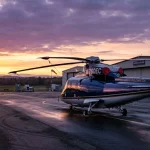
When it comes to aviation, few machines evoke the same sense of excitement and curiosity as helicopters. Whether you’re dreaming of soaring through the skies for leisure, emergency services, or even transporting VIPs, understanding the costs associated with purchasing a helicopter is crucial. The price can vary dramatically, from ultralight models starting around $37,500 to advanced helicopters that can exceed $13 million. With the right knowledge, you can navigate this complex landscape effectively. This guide aims to arm you with valuable insights into the various factors influencing helicopter costs, including models, maintenance, and operation. As you continue reading, you’ll find everything you need to make an informed decision that aligns with your aviation aspirations.
How Much Do Helicopters Typically Cost?
The cost of a helicopter can vary significantly based on several factors, including the model, age, and intended use. Entry-level helicopters, like the Robinson R22, can start around $300,000, while more advanced models, such as the Bell 206, can range between $1.5 million to $2.5 million or more. High-performance machines like the Sikorsky S-76 can command prices upwards of $5 million, highlighting the vast spectrum of helicopter costs depending on their specifications and features.
In addition to the purchase price, it’s important to consider various elements that influence helicopter costs. The complexity of the aircraft, the type of avionics, and the technology integrated into the system play a significant role. Newer models with advanced safety features and efficiency may have a higher price tag but can lead to long-term savings through reduced operational costs. Furthermore, customization options, from specific interior layouts to advanced communication systems, can increase the base price substantially.
When exploring helicopter ownership, potential buyers should also account for depreciation rates. While some models retain value exceptionally well, like the popular Airbus H130, others may depreciate more rapidly. Thus, understanding the market demand for a particular helicopter model both at the time of purchase and in future resale scenarios is crucial for making informed financial decisions.
In conclusion, while the initial cost is a significant consideration, factors such as operational efficiency, resale value, and customization needs will ultimately shape the overall investment in a helicopter. This holistic view ensures that buyers make savvy choices tailored to their aviation needs and financial goals.
Factors Influencing Helicopter Purchase Prices

When it comes to purchasing a helicopter, various factors play a crucial role in determining the overall price. Understanding these elements can empower potential buyers to make informed decisions that align with their needs and budgets. One key factor is the type and model of the helicopter. Different models cater to specific missions or preferences, from light training helicopters like the Robinson R22 (starting around $270,000) to luxury options such as the Sikorsky S-76, which can exceed $5 million. The aircraft’s age also influences its valuation; new helicopters come with a higher price tag due to the latest technology, enhanced safety features, and warranties.
Another significant aspect to consider is the helicopter’s intended use. For example, models designed for offshore operations or VIP transportation often feature advanced avionics and robust design standards, leading to higher costs. Conversely, helicopters aimed at basic transportation or training typically have a lower purchase price. Additionally, the complexity of maintenance and operational requirements can drive up the cost. Helicopters that require specialized parts or frequent servicing will naturally contribute to ongoing expenses.
Customization options can further affect the helicopter’s price. Buyers may opt for tailored interiors, upgraded avionics, or additional safety features, all of which can inflate the initial cost. Furthermore, market demand can lead to price fluctuations; models desired for their performance capabilities or reliability tend to hold value better and thus affect purchase prices.
Lastly, external economic conditions can also influence prices in the helicopter market. Supply chain issues, material costs, and global demand all play a part in the final purchase price. As potential buyers navigate these considerations, being well-informed about both the initial and long-term costs associated with helicopter ownership is essential for making a sound investment.
New vs. Used Helicopters: Cost Comparisons

It’s no surprise that the world of helicopters is filled with excitement and potential, but the cost of entry can be a significant factor for those looking to soar into the skies. Buyers often face the dilemma of choosing between new and used helicopters, each with its own set of advantages and financial implications. While new helicopters promise the latest technology and warranties, used models can deliver substantial savings and proven reliability.
When considering new helicopters, you’re often looking at prices that can range dramatically based on the model and its features. For instance, high-end new helicopters like the Sikorsky S-76 can exceed $5 million. The appeal of new aircraft lies primarily in their cutting-edge capabilities, improved safety features, and the peace of mind that comes with manufacturer warranties. Additionally, new helicopters typically offer better fuel efficiency and lower maintenance requirements upfront because they haven’t experienced wear and tear. However, this comes at the cost of higher depreciation, which can drastically reduce the aircraft’s value after the first few years of ownership.
On the flip side, opting for used helicopters can be a savvy financial move, as these aircraft often come at a fraction of the price-sometimes introducing models like the Robinson R22 at a purchase price around $270,000. Used helicopters might feature dated technology or require more immediate maintenance than new ones, but the potential for lower operating costs and faster depreciation can work in a buyer’s favor. Furthermore, many used helicopters have established maintenance histories, allowing buyers to gauge reliability based on the aircraft’s service record.
Ultimately, the choice comes down to assessing your needs, budget, and long-term goals. If you’re looking for cutting-edge performance and don’t mind the significant investment, a new helicopter could be worth the premium. However, if you want a solid aircraft without breaking the bank, a used helicopter may be the way to go. It’s essential to conduct thorough research and consider factors like maintenance, insurance, and resale values to make an informed decision that aligns with your aviation aspirations.
Understanding Helicopter Financing Options

When considering the purchase of a helicopter, understanding financing options is crucial. Unlike traditional vehicles, helicopter financing comes with its own set of considerations, as the costs can be substantial. For prospective buyers, recognizing how to finance a helicopter can open doors to ownership that might otherwise seem unattainable.
Many lenders typically require a down payment ranging from 20% to 30% depending on the type of helicopter and its intended use. This structure is particularly critical for commercial operations, where higher down payments could apply. For instance, piston helicopters might require a down payment of 20-25%, while turbine models often see 30% or higher. This upfront investment can help to secure lower financing rates and better terms, which can significantly affect your overall budget and long-term ownership costs [[2]].
Interest rates for helicopter loans typically range from 4% to 6.5%, though some finance companies, like Crestmont Capital, advertise rates starting as low as 3.25% for qualified borrowers [[1]]. Terms for these loans can vary, commonly falling between 24 to 72 months. This flexibility in financing allows buyers to align payments with their financial capabilities, making ownership more feasible.
It’s also essential to factor in additional costs that can accompany financing. A common oversight involves not accounting for maintenance and operational expenses, which can be substantial. Budgeting for ongoing costs will ensure that you’re financially prepared for the full scope of helicopter ownership. Additionally, it can be advantageous to explore leasing options. Leasing can reduce upfront costs, offering the chance to use a helicopter without the long-term commitment of purchasing, potentially making it a more favorable avenue for some buyers.
In summary, whether you opt for a loan or lease arrangement, understanding the specifics of helicopter financing will equip you to make a more informed decision that aligns with your budget and aviation ambitions.
Budgeting for Helicopter Ownership: Hidden Costs
Owning a helicopter is an exhilarating experience, but it’s essential to fully understand the financial landscape surrounding helicopter ownership. Beyond the purchase price, which can range from $75,000 for a small used model to several million dollars for commercial aircraft, prospective owners must budget for various hidden costs that can catch them off guard. These additional expenses can significantly impact your overall investment and long-term satisfaction with helicopter ownership.
One of the most substantial hidden costs is operating expenses, which includes fuel, insurance, maintenance, and hangar fees. Fuel alone can run into thousands of dollars annually, particularly for models that consume more fuel. Maintenance and inspection costs are ongoing realities, as all helicopters require regular upkeep to remain flight-worthy. For example, routine inspections and repairs can add thousands each year, depending on how often you fly and the helicopter’s age and model. Additionally, if you plan to keep your helicopter in a hangar, you’ll need to factor in hangar rental costs, which vary significantly by location.
Another often-overlooked expense is crew costs. If you’re not a licensed pilot, you’ll need to hire a qualified helicopter pilot, which can involve paying their fees for both employment and training. Even if you do have your pilot’s license, consider the potential costs of additional certifications or training required to operate more complex models.
Insurance costs also play a critical role in budgeting for ownership. Depending on the helicopter’s type and intended use (personal vs. commercial), insurance can easily climb to several thousand dollars annually, accounting for both hull coverage and liability.
In summary, while the allure of ownership is enticing, fully understanding the potential hidden costs of helicopter ownership is crucial. By carefully budgeting for fuel, maintenance, insurance, and crew, you can better prepare for what is sure to be an exhilarating aviation journey.
Popular Helicopter Models and Their Prices
Purchasing a helicopter is a significant investment, and understanding the market for popular models can help potential buyers make informed decisions. The types of helicopters available vary widely, both in features and price. For instance, small piston helicopters, often used for training or personal flights, can range in price from approximately $55,000 to $625,000, depending on their age, condition, and specific features[1].
When considering more advanced models, the cost escalates dramatically. For example, the Bell 505, a popular single-engine utility helicopter, can sell for over $1 million brand new, especially when equipped with high-end features such as modern avionics and a luxurious interior. Another commonly sought-after model, the Robinson R44, typically sells in the range of $250,000 to $500,000. These helicopters are favored for their reliability and versatility, often used in everything from aerial tours to private transportation.
In addition to these more common selections, there are specialized helicopters designed for particular tasks, such as the Eurocopter AS350, known for its performance in various operational conditions, which can range from $1.3 million to over $3 million. Each helicopter’s intended use-be it personal, commercial, or emergency services-can significantly influence its market price.
For buyers, understanding these models and their associated costs not only allows for better budgeting but also helps in selecting a helicopter that meets their operational needs and financial capabilities. It’s essential to research thoroughly and consider both new and used options, keeping in mind that prices will often vary based on market dynamics, model year, and condition of the aircraft.
Maintenance Costs: What to Expect After Purchase
Owning a helicopter comes with more than just the upfront purchase price; maintenance costs can quickly add up, making it essential to understand the ongoing financial commitment involved. Maintenance is not just a routine necessity-it’s a critical aspect of ensuring safety and efficiency. The costs associated with maintaining a helicopter can vary widely based on factors such as the model, age, and condition of the aircraft.
One key aspect of helicopter maintenance is the regular inspections mandated by aviation authorities. These inspections can range from simple pre-flight checks to comprehensive annual overhauls. For example, a basic 100-hour inspection may cost anywhere from $1,500 to $3,000, while more extensive inspections can exceed $10,000, especially for larger or more complex helicopters. Additionally, parts replacement-whether it’s blades, engines, or avionics-can introduce significant expenses.
Regular maintenance is also crucial for compliance with manufacturer specifications and regulatory standards. This is particularly true for high-performance helicopters that demand meticulous care. Moreover, the type of operation will dictate specific maintenance needs; for instance, helicopters used for commercial purposes or in harsher environments may incur higher maintenance costs due to increased wear and tear.
Ultimately, it’s advisable for helicopter owners to budget approximately 10% to 15% of the helicopter’s purchase price annually for maintenance. This estimate accounts for both scheduled maintenance and unexpected repairs. By preparing for these costs in advance, potential owners can ensure a smoother, more enjoyable helicopter ownership experience without the financial surprises that can arise from maintenance needs.
Insurance Considerations for Your Helicopter
Navigating the insurance landscape for your helicopter can be complex, but it’s a critical step in ensuring both your investment and safety. Helicopter insurance not only protects against physical damage but also covers liability for injuries or property damage that might occur during flight operations. As with any insurance policy, the costs and coverage can vary widely based on several factors including the helicopter’s value, its intended use, and the pilot’s experience.
One of the major influences on insurance premiums is the hull value of the helicopter. For instance, standard insurance rates often range from 2% to 4% of the helicopter’s hull value for operators, with larger fleet operators typically benefiting from lower rates due to volume discounts [2]. Furthermore, the nature of the helicopter’s usage will significantly impact rates; commercial operations are generally viewed as higher risk compared to personal use, leading to increased premiums.
When considering your insurance options, it’s vital to analyze coverage types. Most policies will include liability coverage, hull coverage, and potentially medical payments coverage, but riders can add protection for specific needs like non-owned liability or coverage during training flights. In light of recent high-profile helicopter accidents, increased liability settlements have resulted in tighter coverage options and rising costs for many operators [1]. This makes it essential to work with a knowledgeable insurance broker who specializes in aviation to tailor a policy that fits your operational requirements and budget.
Finally, budgeting for insurance should be a part of your overall financial strategy for helicopter ownership. It’s generally advisable to allocate a specific portion of your budget to insurance, which can translate to thousands of dollars each year depending on the helicopter’s value and usage. By comprehensively understanding these aspects, helicopter owners can better prepare for both expected costs and any unforeseen challenges while maximizing the enjoyment and safety of their flying experience.
Resale Value: Is Your Helicopter an Investment?
When considering a helicopter purchase, many buyers overlook the importance of resale value. In reality, evaluating whether your helicopter will be a smart investment hinges significantly on its potential resale price. Factors such as market demand, condition, time of ownership, and helicopter model play critical roles in determining how much you might recover when it’s time to sell. For instance, certain models are highly sought after in the pre-owned market, allowing owners to recoup a substantial portion of their initial investment.
Factors Impacting Resale Value
The helicopter’s age and maintenance history are key influencers of resale value. A well-maintained helicopter with a full service history can often fetch a higher price compared to similar models that have not been as meticulously cared for. Modifications, upgrades, and modernization-such as avionics updates or cosmetic refurbishments-also contribute positively to resale value. It’s essential to consider these investments not only for enhanced performance and safety but also for their potential to boost market appeal down the line.
Potential for Investment
While helicopters, like all vehicles, depreciate with time, certain models may retain their value better than others. Some older helicopters can even maintain prices close to their original cost if they are rare or highly regarded, countering the typical depreciation narrative [[3]](https://www.helicoptersmagazine.com/depreciation-fact-or-fiction-85/). Therefore, understanding market trends and focusing on models that show resilience in their resale value can make a significant difference for buyers considering their future finances.
In conclusion, if you approach the purchase of a helicopter with resale value in mind, perform your research, and prioritize maintenance and upgrades, your investment can yield significant returns. Emphasizing quality and marketability during ownership is not just about flying sensations; it’s also about making a financially sound decision for the future.
Cost of Helicopter Upgrades and Customization
Upgrading and customizing a helicopter can significantly enhance its performance, safety, and comfort, but it also comes at a cost. Many helicopter owners embark on modification projects to improve specific functionalities or to tailor their aircraft to personal preferences. Whether it’s adding advanced avionics systems, customizing interiors for VIP transport, or upgrading avionics for enhanced navigation, the costs associated with these improvements can vary widely.
The types of upgrades you choose will heavily influence your budget. For instance, installing a state-of-the-art GPS and avionics suite can range from $30,000 to over $200,000, depending on the complexity of the system. Interior refurbishments, which may include plush seating, custom cabinetry, and entertainment systems, can add another $50,000 to $150,000 or more. If safety is a priority, consider enhancements like new safety equipment or improvements to the fuel systems, which can also be costly. It’s essential to research and budget these costs upfront to avoid surprises down the line.
Factors Influencing Upgrade Costs
When contemplating upgrades, several factors should be considered:
- Type of Upgrade: Not all upgrades have the same price tag. Basic avionics updates tend to be less costly than complete overhauls or luxury customizations.
- Manufacturer Support: Utilizing parts and upgrades recommended by the manufacturer can sometimes save money by ensuring compatibility and ease of installation.
- Labor Costs: Skilled labor is essential for upgrades, and costs can vary based on the complexity of the work and the expertise of the technicians involved.
- Regulatory Compliance: Some upgrades must meet specific aviation regulations, potentially adding to the cost and complexity of the installation process.
Engaging with trusted aviation professionals can provide insight into necessary upgrades and help create a realistic budget. Additionally, considering the long-term benefits of these investments is crucial as they can improve the helicopter’s resale value. Ultimately, while the initial costs of upgrades may seem daunting, well-informed modifications can enhance overall performance and enjoyment for years to come.
Comparing Prices: Domestic vs. International Markets
When considering the price of helicopters, understanding the differences between domestic and international markets is crucial for potential buyers. In domestic markets, particularly in North America, prices reflect factors such as local demand, regulatory compliance, and available financing options. For instance, the cost of a new helicopter can range significantly, with basic entry-level models starting around $250,000, while advanced models can reach upwards of $13 million, especially those designed for executive transport or specialized missions [[2]].
In contrast, international markets often experience price fluctuations influenced by regional economic conditions, import tariffs, and differing aviation regulations. For example, countries with burgeoning economies and increasing infrastructure investments may present competitive pricing on helicopter models due to less saturated markets and lower operational costs. However, buyers must consider additional expenses such as shipping logistics and local taxes, which can add to the overall cost significantly. Furthermore, specific regions might have a higher demand for certain helicopter types, driving prices up due to scarcity; for example, utility helicopters might be pricier in areas prone to natural disasters than in urban centers.
Key Price Comparison Factors
- Local Demand: Prices can vary based on how many helicopters are available in a region.
- Regulatory Compliance: Different countries have varying requirements that can influence pricing.
- Financing Options: Access to financing in certain markets can ease the purchasing process compared to others.
- Maintenance and Operating Costs: These can differ based on the helicopter’s country of registration, impacting long-term expenses.
Buyers should also assess the potential for resale value across different markets. Domestic buyers may find greater liquidity due to a more established market for used helicopters, while international markets might offer higher resale potential for unique models not readily available at home. Ultimately, a thorough market analysis, including research on local and international sellers, will empower potential owners to make informed decisions that align with their operational needs and budget.
Leasing vs. Buying: Which is Right for You?
When deciding between leasing and buying a helicopter, it’s essential to consider your unique flying needs and financial situation. Leasing can be an attractive option for those who prefer to access a helicopter without the hefty upfront costs associated with purchasing. It often requires less initial capital and provides the flexibility to upgrade to newer models when leases expire. This can be particularly appealing for businesses that need helicopters for short-term projects or specific operations, allowing them to avoid the long-term commitment and the fluctuations of depreciation.
On the other hand, buying a helicopter can be a wise investment if you plan on using it extensively over the long term. Ownership means all the investment goes toward a tangible asset, which can retain value and even appreciate if well maintained and preserved. In some cases, acquiring a helicopter may open opportunities for generating revenue, such as renting it out when it’s not in use. However, ownership comes with additional responsibilities, including maintenance costs, insurance, and potential unexpected repairs, which can add layers of complexity to your budget.
Factors to Consider
- Usage Frequency: If you fly frequently and will utilize the helicopter regularly, buying could be more cost-effective.
- Budget Flexibility: Leases typically require lower initial payments, making it easier to manage cash flow for other expenses.
- Long-term Commitment: Buying commits you to a specific aircraft, while leasing allows for annual assessments of operational needs.
- Depreciation and Resale Value: Helicopters depreciate, and buying means you need to think about how to maximize resale value if you decide to sell later.
Ultimately, the choice between leasing and buying depends on your operational goals, financial considerations, and how you envision utilizing the helicopter in your pursuits. Each option comes with its benefits and challenges, so carefully weighing these factors will help you make an informed decision that aligns with your needs and ambitions in aviation.
Frequently asked questions
Q: What are the average costs for leasing a helicopter compared to buying one?
A: Leasing a helicopter usually ranges from $2,000 to $10,000 per month, depending on the model and terms. In contrast, purchasing a helicopter can cost anywhere from $200,000 to over $13 million for new models. Leasing often requires lower upfront costs but can lead to higher long-term expenses.
Q: How do operating costs impact the overall expenses of owning a helicopter?
A: Operating costs include fuel, maintenance, insurance, and pilot salaries, averaging around $500 to $1,500 per flight hour. These recurring expenses can significantly affect your budget, so it’s crucial to factor them into your purchase decision and look at your expected use.
Q: Are there government incentives for purchasing helicopters for business use?
A: Yes, buyers can access tax incentives such as the Section 179 deduction for business equipment, which may apply to helicopter purchases. It’s advisable to consult with a tax professional to understand all available incentives and how they can reduce overall costs.
Q: What financing options are available for buying a helicopter?
A: Various financing options exist for helicopter purchases, including traditional bank loans, manufacturer financing plans, and leasing arrangements. Understanding interest rates and terms is vital; typically, finance terms range from 5 to 20 years depending on the loan structure.
Q: How much does it cost to insure a helicopter?
A: The insurance cost for a helicopter can vary widely, typically ranging from $10,000 to $50,000 annually. Factors influencing this cost include the helicopter’s value, usage, and pilot experience, making it essential to shop around for the best rates.
Q: What factors influence the resale value of a helicopter?
A: The resale value of a helicopter is influenced by several factors, such as age, condition, maintenance history, and demand in the market. Keeping comprehensive records of maintenance and upgrades can help maintain higher resale value.
Q: When is the best time to buy a helicopter for maximum savings?
A: The best time to buy a helicopter may be during off-peak seasons, typically in late fall or winter when fewer buyers are active. This timing can lead to better pricing and negotiation leverage, so it’s worth considering seasonal trends when making your purchase.
Q: What is the impact of helicopter models on insurance premiums?
A: Different helicopter models carry varying insurance premiums, influenced by their safety records and repair costs. For instance, more complex or high-performance models may incur higher rates, making it vital to factor the model choice into your budget planning.
Final Thoughts
Now that you have a detailed understanding of helicopter flight costs, you’re equipped to make informed decisions about your purchasing options. Remember, investing in a helicopter is not just about the initial price-consider ongoing maintenance, insurance, and operational costs as critical factors in your planning. If you’re intrigued by the helicopter experience, don’t miss our guides on maintaining your aircraft and the benefits of helicopter tours in your area.
Explore our articles on related topics like the “Top Helicopter Models for Your Budget” and “Calculating Helicopter Maintenance Costs” to deepen your knowledge. Ready to take the next step? Sign up for our newsletter for expert tips and exclusive deals tailored to your aviation interests.
Join the conversation-share your thoughts in the comments, and don’t hesitate to reach out with any questions. Your journey into the world of helicopters has just begun, and we’re here to help you every step of the way!
Get our latest guides, news, and insights highlighted in your Google Search & AI Overviews.