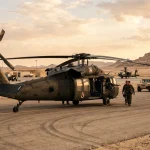
When were Cobras helicopter invented? The Bell AH-1 Cobra was invented in 1965, with the prototype (designated the Bell Model 209) making its maiden flight on September 7, 1965. Following successful U.S. Army flight trials, full-rate production of the AH-1G HueyCobra began in April 1966, and the aircraft entered active combat deployment in the Vietnam War in August–September 1967.
Developed in just eight months as a private venture by Bell Helicopter to replace improvised UH-1 Huey gunships, the Cobra became the world’s first purpose-built tandem attack helicopter, pioneering the slender 36-inch fuselage and stepped tandem cockpit layout still used by modern gunships today.
The Cobra helicopter, renowned for its unique design and versatility, first took to the skies in the mid-1960s. As a combat-support aircraft, it revolutionized military aviation with its agility and adaptability. Understanding the history of the Cobra helps us appreciate its impact on modern warfare and its ongoing evolution. This timeline not only highlights key milestones in the helicopter’s development but also sheds light on the challenges faced during its service. Whether you’re an aviation enthusiast, a history buff, or simply curious about military technology, this exploration of the Cobra helicopter’s journey is sure to capture your interest and deepen your appreciation for this remarkable craft. Join us as we delve into the fascinating history of the Cobra helicopter and discover its legacy within the aviation world.
When the Cobra Helicopter Was First Created
The creation of the Cobra helicopter, officially known as the AH-1 Cobra, marked a significant moment in military aviation history. Developed in the early 1960s in response to the need for a dedicated attack helicopter during the Vietnam War, the Cobra was designed to provide close air support for ground troops and engage enemy forces with precision and power. It first took flight in 1965, rapidly evolving from a concept into a formidable combat aircraft.
One of the key figures in the development of the Cobra was Bell Helicopter, which leveraged the design of the existing UH-1 Iroquois (commonly known as the “Huey”). By modifying the Huey’s airframe and focusing on weaponry and agility, engineers created a helicopter that was not only lightweight but also capable of delivering devastating firepower. This innovative dual-role helicopter became a vital asset in aerial warfare, showcasing its effectiveness in various combat situations.
The AH-1 Cobra was notable for its tandem cockpit configuration, allowing for an efficient two-man crew-pilot and gunner. Its unique design features, including a narrow fuselage and a low silhouette, made it less susceptible to enemy fire. Additionally, the integration of advanced weapon systems, such as rockets and machine guns, established the Cobra as a dominant force in military operations, paving the way for future attack helicopter designs. This remarkable aircraft went on to play a pivotal role in numerous conflicts, shaping helicopter warfare and tactical air support for decades to come.
Key Milestones in Cobra Development Timeline
The development of the AH-1 Cobra helicopter is marked by several key milestones that illustrate its evolution into a highly effective combat aircraft.
In 1965, after years of design and testing, the AH-1 Cobra made its first flight, just as the Vietnam War was escalating. This flight marked a significant shift towards specialized attack helicopters in military aviation, created to support ground troops with firepower and speed. Bell Helicopter, the manufacturer, refined its design from the UH-1 Huey, focusing on producing a lighter model that could maneuver quickly and carry an impressive array of weaponry.
By 1966, the Cobra entered service with the U.S. Army, where its performance quickly proved invaluable. It was equipped with a variety of weapon systems, including rockets, machine guns, and later, guided missiles. This versatility allowed the Cobra to engage numerous targets effectively, becoming an essential asset during various military operations. Notably, its use in the Vietnam War helped shape tactics for future aerial engagements.
As technology progressed, the Cobra underwent continuous upgrades, leading to the CY variant in 1971, which incorporated more advanced avionics and weaponry capabilities. By the late 1980s, the AH-1W Super Cobra emerged, enhancing the original model’s effectiveness with improved engines and expanded armament options, making it even more formidable in combat.
The milestones in the Cobra’s development reflect not just advancements in helicopter technology, but also the evolving nature of warfare. From its first flight to the present day, the AH-1 Cobra has demonstrated adaptability and resilience, securing its place in military history as a pioneering force in aerial attack capabilities.
Innovative Features of the Cobra Helicopter
The AH-1 Cobra helicopter is renowned for its innovative features that set a new standard for attack helicopters. From its inception, the Cobra was designed not just to engage targets, but to do so with unparalleled effectiveness and efficiency. This agility is attributed to its unique design elements, which include a streamlined fuselage and tandem seating arrangement for the pilot and gunner. This configuration not only enhances visibility but also significantly reduces the helicopter’s radar profile, allowing it to operate with a degree of stealth crucial in combat scenarios.
One of the standout aspects of the Cobra is its advanced avionics and weapon systems. The helicopter is armed with a versatile array of munitions, including a combination of machine guns, rockets, and missiles such as the AGM-114 Hellfire. These weapons can be aimed and fired with precision thanks to sophisticated targeting systems that provide real-time data to the crew. The Cobra’s ability to engage both ground and aerial threats makes it a formidable presence on the battlefield, allowing for diverse mission profiles ranging from close air support to anti-armor operations.
The evolution of the AH-1 Cobra has also led to multiple variants that incorporate improvements in technology and combat capability. For instance, the AH-1W Super Cobra features upgraded engines and enhanced avionics, translating to greater speed and payload capacity. These innovations maintain the Cobra’s relevance in modern warfare, adapting to the changing landscape of military aviation.
In addition to its technical advancements, the Cobra helicopter is also a symbol of military power, often featured in various media as a representation of unmatched aerial strength. This connection to popular culture helps inspire future generations of pilots and aviation enthusiasts, who are drawn to the helicopter’s iconic design and storied legacy in military operations. The innovative elements of the Cobra not only define its performance but also ensure that it continues to be a crucial asset for armed forces around the world.
The Evolution of the AH-1 Cobra Variants
The AH-1 Cobra helicopter has undergone a remarkable journey of evolution since its inception, continually adapting to meet the demands of modern warfare. Initially developed in the early 1960s, the Cobra was designed as a dedicated attack helicopter to provide close air support for ground troops. Its distinctive tandem seat configuration and narrow fuselage made it highly maneuverable and able to operate effectively in various combat scenarios. As military needs changed and technology advanced, several variants of the Cobra were developed, each enhancing capability and performance.
The first significant upgrade came with the AH-1J Sea Cobra, introduced in the late 1970s. This version featured new engines and improved avionics, allowing for enhanced performance in adverse weather conditions and greater versatility in combat. The evolution continued with the AH-1W Super Cobra, which integrated more advanced systems, including better transmitters and radar, making it one of the most capable attack helicopters of its time. Notably, the Super Cobra can carry a larger payload of weapons, including advanced laser-guided missiles.
Variants of the AH-1 Cobra
The evolution didn’t stop with the AH-1W; the AH-1Z Viper marked the most advanced iteration of the Cobra series. Introduced in the late 2000s, the Viper features a four-blade rotor system that improves aerodynamics and reduces maintenance costs. Additionally, the integration of cutting-edge avionics and weapon systems enhances target acquisition and engagement capabilities. The Viper’s ability to fly at higher speeds and perform with increased efficiency has solidified its role in modern military aviation.
With each iteration, lessons learned from previous conflicts were integral in shaping the design and technology of the AH-1 series. These changes not only improved combat effectiveness but also contributed to pilot safety and operational flexibility, ensuring that the Cobra helicopter remains a vital tool in military operations. The ongoing development of the Cobra variants showcases the commitment to leveraging technology and experience in pursuit of operational excellence.
In essence, the evolution of the AH-1 Cobra helicopters is a testament to how military aviation adapts to meet new challenges. Aspiring aviators and aviation enthusiasts alike can draw inspiration from this lineage, as it reflects the dynamic nature of aerospace innovation and the relentless pursuit of performance and safety in aviation.
Cobra Helicopter’s Role in Military History
The AH-1 Cobra helicopter has firmly established itself as a significant player in military aviation history since its creation in the 1960s. Originally conceived as a tool to provide close air support, the Cobra was uniquely designed to meet the combat needs of U.S. ground forces. Its introduction marked a critical shift in how aerial support could be integrated into battlefield strategies, allowing for rapid deployment of firepower in diverse environments.
Throughout its service, the Cobra has participated in numerous conflicts, boldly taking on various roles that highlight its versatility. From the jungles of Vietnam, where it first gained fame, to engagements in the Gulf War and beyond, the Cobra has demonstrated exceptional maneuverability and lethality. Its distinctive tandem seating and low profile allow for surprising agility and stealth during operations, making it an invaluable asset in urban warfare and anti-armor roles.
Over the decades, the Cobra has evolved alongside military needs and technological advancements. Each iteration introduced improved weapon systems, fire control technologies, and enhanced survivability measures. The introduction of the AH-1W Super Cobra and later the AH-1Z Viper has broadened its operational capabilities, enabling it to perform in joint operations alongside other air and ground units. The Cobra’s advanced avionics and a wide array of weaponry, including rockets and laser-guided missiles, allow it to tackle various threats, from enemy troops to armored vehicles, ensuring its relevance in modern military strategies.
Moreover, the psychological impact of the Cobra on the battlefield cannot be underestimated. Its iconic shape and formidable presence often serve as a deterrent against enemy forces, enhancing ground troop confidence. While the helicopter has been involved in many successful missions, it also reminds us of the sacrifices made-an aspect that resonates deeply with aviation enthusiasts and military historians alike. Various incidents over the years have led to tragic losses, reminding us of the risks associated with aviation in combat. Honoring those who lost their lives helps to contextualize the ongoing development and commitment to safety in military aviation, ensuring that the legacy of the Cobra continues to inspire future generations of aviators.
Comparison: Cobra vs. Other Attack Helicopters
The AH-1 Cobra helicopter’s design and operational capabilities set it apart from other attack helicopters, such as the AH-64 Apache and the Bell 407. While each of these helicopters serves essential roles on the battlefield, the Cobra’s unique features and historical significance provide a compelling comparison.
The Cobra, with its tandem seating arrangement, allows for a streamlined design that enhances aerodynamics and reduces drag, making it maneuverable in tight spaces. In contrast, the Apache’s more extensive array of sensors and weapons systems, such as the Longbow radar, make it a multi-role platform for both attack and reconnaissance missions. On the other hand, the Cobra’s light weight and agility are especially beneficial in urban combat scenarios where rapid responsiveness is crucial.
In terms of firepower, the Cobra and Apache offer different strengths. The Cobra typically features M197 20mm cannons and Hydra 70 rocket pods, providing robust close air support capabilities. Meanwhile, the Apache boasts a more advanced arsenal, including the Hellfire missile system, which is designed for precision strikes against armored targets. While the Cobra excels in rapid close air support and anti-armor operations in environment-sensitive missions, the Apache enjoys a higher technological edge with its integrated avionics and operational versatility.
Interestingly, the Cobra’s lower operating costs and simpler maintenance requirements can be appealing to many operators, particularly in less-complex theater environments. Conversely, the Apache’s extensive capabilities and advanced technology come at a higher price, both in operational costs and procurement.
Ultimately, the AH-1 Cobra’s notable historical legacy and pioneering design have left a significant mark on military aviation, showcasing the evolution of attack helicopters over the decades while standing as a symbol of aerial combat efficacy. Whether you are an aviation enthusiast or simply curious about military aircraft, understanding the Cobra’s role in comparison to other attack helicopters offers valuable insights into how these machines have shaped aerial warfare.
Notable Missions and Operations Involving the Cobra
The AH-1 Cobra helicopter has been a pivotal asset in numerous military operations since its introduction in the late 1960s. Its first notable deployment came during the Vietnam War, where it quickly demonstrated its effectiveness in close air support and anti-armor roles. The Cobra’s design allowed it to operate effectively in low-altitude environments, providing vital support to ground troops while maneuvering through the challenging landscapes of jungles and rice paddies.
One defining moment for the Cobra was during the Battle of Hue City in 1968. Here, its firepower was unleashed against North Vietnamese positions, allowing U.S. troops to reclaim key territory. The helicopter’s agility and speed made it a formidable presence on the battlefield, often operating in conjunction with ground forces to deliver precise strikes against entrenched enemy positions. The Cobra’s combination of speed, lethality, and maneuverability not only bolstered the effectiveness of American forces but also helped to establish its reputation as a reliable attack helicopter.
As the years progressed, the Cobra took part in several military engagements beyond Vietnam, including operations in Grenada in 1983, where it provided crucial air support during the invasion, and in the Gulf War of 1991, where it played a role in rapid assault missions against Iraqi forces. The versatility of the Cobra allowed it to be adapted for different combat scenarios, further cementing its status in military aviation history.
Through these missions, the Cobra has not only showcased military prowess but also served as a testing ground for various tactical innovations in aerial combat. Its continued relevance and modifications have also paved the way for subsequent generations of attack helicopters, inspiring advancements in both design and operational strategies. As a beloved staple in military history, the Cobra’s legacy is characterized by its unwavering dedication to supporting ground troops and delivering decisive air power in critical combat situations.
Cobra Helicopter: Design and Engineering Insights
The design and engineering of the AH-1 Cobra helicopter were revolutionary for their time, making significant impacts on military aviation that continue to resonate today. Developed by Bell Helicopter, the Cobra was the first dedicated attack helicopter to enter service, debuting in 1967. Its unique design features-a slender profile, tandem seating for the pilot and gunner, and a powerful engine-were focused on improving agility and reducing the helicopter’s radar cross-section. This attention to low observability allowed it to effectively conduct operations in hostile environments.
A key innovation of the Cobra is its use of armor. The helicopter features a robust structure that includes protective plating around vital components, such as the cockpit and fuel tanks, to enhance survivability in combat situations. The Cobra’s design includes the ability to carry a formidable armament load, typically consisting of a mix of rockets, missiles, and a 20mm cannon mounted on a turret, allowing it to engage a variety of targets with precision and power.
The engineering behind the Cobra’s rotor system is another highlight. It employs a two-blade, fully articulated rotor system that reduces weight while maintaining performance. Additionally, the helicopter can execute a variety of maneuvers, including rapid climbs and quick turns, allowing it to evade enemy fire and position itself advantageously in combat. The integration of advanced avionics has also played a crucial role in enhancing situational awareness and targeting capabilities, making the Cobra a valuable asset on the battlefield.
Overall, the AH-1 Cobra helicopter exemplifies a blend of innovative design and engineering that has set the standard for future attack helicopters. Its ability to adapt through various upgrades over decades speaks to its foundational design, making it a subject of admiration for aviation enthusiasts and professionals alike.
Famous Incidents and Crashes Involving the Cobra
The AH-1 Cobra helicopter, a symbol of American military aviation, has its share of dramatic narratives and sobering incidents marked by bravery, technical challenges, and the inherent risks of aerial combat. One of the most significant incidents occurred during the Vietnam War, when Cobras faced enemy fire while providing close air support. Their unique design allowed them to maneuver quickly through hostile environments, yet their deployment also came with tragic outcomes. For instance, in 1970, a Cobra was shot down during a mission, leading to the loss of both crew members. This incident highlighted the dangers these pilots faced, underscoring their role as defenders on the front lines.
Another notable event revolves around the incident involving a Cobra helicopter during a training exercise in the late 1990s. A mechanical failure led to a crash while performing a tactical maneuver, tragically resulting in the death of the pilot. Investigations that followed focused on maintenance practices and the importance of rigorous training to prevent such accidents. These incidents serve as reminders of the topsy-turvy relationship between technology and human skill in aviation, encouraging aspiring pilots to respect the complexities of flying such advanced machinery.
In popular culture, the Cobra has also been depicted in various films and documentary series, often emphasizing the risks associated with military aviation. These portrayals, while dramatized, reflect real events and the courageous actions of pilots in life-or-death scenarios. They aim to honor the skills of the crews and remind viewers of the sacrifices made by those who serve.
As the Cobra helicopter continues to evolve, the industry learns from past incidents, implementing improved safety measures and technology to protect the lives of those who pilot these remarkable aircraft. This continuous adaptation speaks volumes about the resilience of military aviation, celebrating not just the machines, but the individuals who fly them. For both enthusiasts and aspiring aviators, learning from the past is just as crucial as understanding the present and future capabilities of the Cobra.
Current Uses and Adaptations of the Cobra Today
The AH-1 Cobra helicopter continues to be a relevant and formidable presence in modern military operations, adapting to the evolving demands of warfare. As technology advances, the Cobra has undergone modifications that enhance its capabilities, ensuring it remains effective on the battlefield. One significant adaptation is the integration of advanced avionics and weapon systems. Modern Cobras can be equipped with improved targeting systems, including infrared sensors and laser rangefinders, enabling precision strikes in various combat scenarios.
Another important aspect of the Cobra’s current role is its versatility. In addition to close air support, Cobras are often utilized for reconnaissance missions. Their speed and agility allow them to gather crucial intelligence on enemy positions and movements. This dual capability not only emphasizes the aircraft’s utility but also highlights how forces can achieve multiple objectives with a single platform.
The training for pilots and ground crew has also evolved, featuring simulations and advanced maintenance programs that prioritize safety and operational readiness. As military doctrines shift towards integrating drones and unmanned systems, the Cobra serves in a complementary role, providing manned air support alongside these technologies, reinforcing its position as a reliable asset within joint operations.
In the realm of civilian applications, retired Cobra helicopters are finding new life in aerial firefighting, law enforcement, and even in film productions, embodying a unique blend of historical significance and modern functionality. This adaptability showcases not only the engineering prowess behind its design but also the enduring legacy of a helicopter that has transcended its original military purpose, continuing to inspire and captivate aviation enthusiasts worldwide.
Future Developments for the Cobra Helicopter Series
The AH-1 Cobra helicopter, a symbol of advanced military aviation, is poised for exciting future developments that promise to enhance its already formidable capabilities. As we enter an era characterized by rapid technological advancement, engineers and defense strategists are keenly focused on upgrading the Cobra to ensure it remains a relevant asset in combat scenarios.
One of the key areas for future development is the incorporation of advanced artificial intelligence (AI) systems. These systems can improve target acquisition and situational awareness, allowing Cobra pilots to process information more rapidly and make informed decisions in the heat of battle. Additionally, AI could facilitate predictive maintenance practices, identifying potential mechanical issues before they become critical, thereby enhancing operational readiness.
Adapting to New Technology
The integration of next-generation avionics is another frontier for the Cobra helicopter. This might include enhanced communications systems that allow for secure, real-time data sharing among allied forces. Furthermore, the adaptation of hybrid or electric propulsion systems could increase operational efficiency, reducing fuel consumption and emissions, which is particularly beneficial for missions in sensitive environments.
In response to evolving battlefield dynamics, future variants of the Cobra may also focus on modularity. This means designing the helicopter’s structure to easily accommodate different mission profiles by swapping out payloads or equipment. Such flexibility would enable the Cobra to serve various roles, from reconnaissance to fire support, enhancing its versatility on the battlefield.
Civilian Applications and Legacy
Beyond military enhancements, retired Cobra helicopters are likely to be repurposed in diverse civilian roles. We may see more Cobras utilized in law enforcement, disaster response, and even search-and-rescue operations, highlighting the helicopter’s legacy and technology in diverse settings. This transition not only honors the service of these aircraft but also introduces them to new communities who can benefit from their capabilities.
As the aviation landscape continually evolves, the AH-1 Cobra is set to embark on a path of modernization that echoes its storied past while preparing for future challenges. The ongoing commitment to innovation ensures that this iconic helicopter will remain a significant player in both military and civilian aviation for years to come.
The Cobra Helicopter in Popular Culture and Media
The AH-1 Cobra helicopter stands not only as a monumental piece of military technology but also as an iconic element in popular culture and media. Its distinctive shape and formidable presence have captivated audiences in various forms of entertainment, from movies and television shows to video games. Notably, in films like “Firebirds” (1990), the Cobra is showcased in action sequences that demonstrate its agility and firepower, making it a symbol of modern aerial warfare. In many scenarios, it serves as a backdrop to stories of heroism and military precision, emphasizing its role as a protector of troops and an instrument of power.
Moreover, the Cobra’s prevalence extends to videogames, where it features as a playable character in military simulation and action games like “Battlefield” and “Call of Duty.” Players often admire its capabilities and unique design, which has led to a growing interest in helicopter aviation among younger generations. This representation not only entertains but also educates aspiring pilots and helicopter enthusiasts about the aircraft’s various functions and historical significance.
The Cobra’s Enduring Legacy
Beyond its entertainment value, the AH-1 Cobra’s presence in media has contributed to its enduring legacy. Documentaries focusing on the Vietnam War often highlight the helicopter’s crucial role, further entrenching it in the public consciousness as a symbol of military history. Its depiction in these narratives serves to honor the lives of those who served and the aircraft’s role in safeguarding them. Enthusiasts often explore the technical specifications and stories behind the missions flown, blending a passion for aviation with a respect for the sacrifices made by service members.
As the AH-1 Cobra continues to evolve both technologically and culturally, it remains a fascinating study for those interested in the intersection of aviation and popular culture, inspiring future generations to explore careers in military aviation, aerospace engineering, and beyond. The combination of its historical significance and modern adaptations ensures that the Cobra will remain an influential figure in media and society for years to come.
Frequently asked questions
Q: When was the AH-1 Cobra helicopter first introduced?
A: The AH-1 Cobra helicopter was first introduced in 1967. Developed by Bell Helicopter, it was designed as an attack helicopter to support ground forces during the Vietnam War, marking a significant advancement in military aviation technology.
Q: What significant battles did the Cobra helicopter participate in?
A: The Cobra helicopter played a crucial role in significant battles such as the Battle of the Ia Drang in 1965 and during the Gulf War in 1991, providing close air support. Its deployment showcased its effectiveness in combat and versatility in various military operations.
Q: How has the design of the Cobra helicopter evolved over the years?
A: The design of the Cobra helicopter has evolved with various upgrades, leading to multiple variants including the AH-1Z Viper. This evolution has included enhancements in avionics, weapon systems, and avionics, ensuring it remains effective in modern warfare.
Q: Why is the Cobra helicopter significant in military aviation history?
A: The Cobra helicopter is significant because it was one of the first dedicated attack helicopters, influencing future designs like the AH-64 Apache. Its combat capabilities transformed aerial support roles, establishing a new standard in military operations.
Q: What are some unique features of the AH-1 Cobra?
A: Unique features of the AH-1 Cobra include its nose-mounted gun, tandem seating configuration, and narrow profile, which enhance maneuverability and survivability on the battlefield. Additionally, the helicopter’s advanced avionics allow for all-weather combat operations.
Q: What is the legacy of the Cobra helicopter in modern military aviation?
A: The legacy of the Cobra helicopter continues through its influence on modern military aircraft design and tactics. It has paved the way for advanced attack helicopters and made a lasting impact on tactics employed in close air support and anti-armor missions.
Q: How many variants of the Cobra helicopter have been developed?
A: Numerous variants of the Cobra helicopter have been developed, including the AH-1G, AH-1S, and AH-1Z Viper. Each variant has been designed to meet specific mission requirements and includes upgrades in weaponry, technology, and performance enhancements.
Q: Is the Cobra helicopter still in service today?
A: Yes, the AH-1 Cobra helicopter is still in service today, particularly in the U.S. Marine Corps and other military forces worldwide. While newer models have been introduced, it continues to perform various roles, including light attack and reconnaissance, proving its enduring relevance in modern warfare.
Final Thoughts
As we reflect on the fascinating history of the Cobra helicopter, it’s clear this iconic aircraft has left a lasting legacy in military aviation. From its innovative design to its significant roles in various conflicts, understanding its timeline allows us to appreciate the blend of engineering prowess and strategic impact. If you’re eager to delve deeper into helicopter innovations or explore the future of aviation technology, check out our articles on groundbreaking helicopter models and their evolving roles in modern warfare.
Don’t miss out on the opportunity to stay updated! Join our newsletter for the latest insights and stories, and feel free to share your thoughts or experiences in the comments below. Whether you’re a seasoned aviation enthusiast or a newcomer, there’s always more to learn and discuss. Explore our site to uncover more about helicopter careers, safety advancements, and DIY projects that celebrate the spirit of flight. Your journey into the world of helicopters is just beginning!
When Were Cobras Helicopter Invented: The 1965 First Flight and Historical Timeline
Tracing when were cobras helicopter invented reveals one of the most rapid and successful development timelines in military aviation history. In the early years of the Vietnam War, the U.S. Army relied on armed transport helicopters (UH-1B and UH-1C Hueys) to escort unarmed troop-carrying “Slicks.” However, the wide, unarmored Huey airframes were too slow and presented massive targets for Viet Cong anti-aircraft fire.
Below is the chronological development and operational timeline of the Bell AH-1 Cobra attack helicopter:
| Year / Date | Milestone / Variant | Key Technological Innovation | Combat & Historical Significance |
|---|---|---|---|
| September 7, 1965 | Bell Model 209 (Prototype) | Narrow 36-inch fuselage, tandem cockpit, stub wings | World’s first flight of a purpose-built attack helicopter |
| April 1966 | AH-1G HueyCobra Production | Lycoming T53-L-13 turboshaft, TAT-102 nose turret | U.S. Army orders 110 airframes for immediate wartime service |
| September 1967 | Vietnam War Deployment | TAT-141 turret with dual 7.62mm Miniguns + 40mm grenade launcher | First combat action in Bien Hoa with the 1st Cavalry Division |
| 1969 – 1970 | AH-1J SeaCobra (USMC) | Twin Pratt & Whitney Canada T400 engines for overwater safety | Marks the start of the Marine Corps twin-engine attack fleet |
| 1977 | AH-1S Modernized Cobra | BGM-71 TOW wire-guided anti-tank missile integration | Transformed Cobra from jungle escort to European anti-armor tank killer |
| 1986 | AH-1W SuperCobra | GE T700 engines, AGM-114 Hellfire & AIM-9 Sidewinder | Served as USMC frontline attack gunship through Desert Storm & OIF |
| 2010 – Present | AH-1Z Viper (‘Zulu Cobra’) | 4-bladed all-composite rotor, 20mm M197 gun, Target Sight System | Active combat platform in US Marine Corps and foreign allied service |
The Model 209 prototype was built in secret by Bell in Fort Worth, Texas. It took only eight months from the initial design freeze to its first flight in September 1965, demonstrating how an agile aerospace engineering team could adapt proven mechanical components (transmission and rotor system from the UH-1) onto a revolutionary new tactical fuselage.
For more detailed technical data on attack rotorcraft, explore our Military Helicopters section, review combat history in Helicopter Basics, or inspect airframe lineages in Helicopter Types.
Get our latest guides, news, and insights highlighted in your Google Search & AI Overviews.