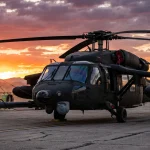
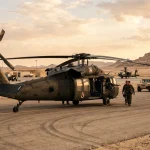
When was the first blackhawk made? The first Black Hawk helicopter prototype (designated the Sikorsky YUH-60A) was made and conducted its maiden flight on October 17, 1974. Built to satisfy the U.S. Army’s Utility Tactical Transport Aircraft System (UTTAS) competition, Sikorsky defeated the rival Boeing Vertol YUH-61. The Army awarded Sikorsky the production contract on December 23, 1976, with the first production UH-60A delivered in 1978 and entering operational service in June 1979.
Operational Lifespan: Over 5,000 Black Hawk variants have been manufactured across five decades, serving military branches in over 35 nations.
The Black Hawk helicopter, known for its versatility and resilience, first took flight in 1974, revolutionizing military aviation. This iconic aircraft has played a pivotal role in countless missions, showcasing its capabilities in combat, rescue, and logistics. Understanding its production history not only highlights engineering marvels but also honors the lives impacted by its service. Each model has evolved, integrating advanced technology that reflects both the artistry of aviation and the seriousness of military operations. Whether you’re an aviation enthusiast, an aspiring pilot, or simply curious about the history of this remarkable machine, exploring the Black Hawk’s journey offers insights into its design, development, and enduring legacy. Join us as we delve into the fascinating timeline of the Black Hawk helicopter and uncover the stories behind its evolution.
When Did the Black Hawk Helicopter First Fly?
The UH-60 Black Hawk helicopter, renowned for its versatility and performance, made its first flight on October 17, 1974. This milestone came as part of a project initiated by the U.S. Army to address the need for a utility helicopter that could perform a variety of missions, from troop transport to medical evacuation. The Black Hawk was developed by Sikorsky Aircraft Corporation, which won the contract to produce a replacement for the older UH-1 Iroquois (commonly known as the “Huey”) helicopters.
As a pivotal development in military aviation, the Black Hawk was designed with several key features that were innovative for its time. It includes twin engines for improved reliability, a distinctive tapered rotor blade for enhanced maneuverability, and a build that allows for various configurations to support multiple operations. These advancements positioned the Black Hawk as a cornerstone of U.S. Army aviation and eventually led to its widespread use in various military forces around the world.
With its introduction, the Black Hawk quickly became synonymous with modern military operations, demonstrating its capability in numerous conflicts including Panama, the Gulf War, and more recently, operations in Iraq and Afghanistan. The aircraft’s reliability and adaptability continue to make it a preferred choice among military planners, and it has undergone numerous upgrades and modifications since its inception to maintain its relevance in a rapidly evolving military landscape.
In summary, the Black Hawk’s journey began with its first flight in 1974, marking the start of a new era in utility helicopters. Its unique design and operational versatility have allowed it to remain an integral part of military operations, showcasing the significance of its development and ongoing influence in aviation history.
Overview of Black Hawk Helicopter Development
The development of the Black Hawk helicopter is a remarkable story of innovation and strategic military foresight. Following its first flight on October 17, 1974, the UH-60 Black Hawk quickly became a symbol of modern air mobility for the U.S. military. This aircraft was born out of the U.S. Army’s need for a versatile utility helicopter that could efficiently perform various missions, including troop transport, medevac, and cargo operations.
Initially, the project aimed to replace the aging UH-1 Iroquois, or “Huey,” which had been a workhorse for American forces since the Vietnam War. The Sikorsky Aircraft Corporation won the contract in 1972, and their design leveraged cutting-edge technology for the time, integrating features such as twin-engine reliability, a fully articulated rotor system, and a modular airframe capable of accommodating different mission configurations.
Throughout its development, the Black Hawk has seen continuous upgrades and enhancements. By the mid-1980s, the helicopter had already established its track record through its performance in various conflicts, demonstrating exceptional capabilities in diverse environments-from jungles to deserts. Its design allowed for versatility; it supports a wide range of equipment and mission-specific features, which can be adapted to evolving battlefield needs. The commitment to improving the Black Hawk has led to the introduction of advanced avionics, better navigational systems, and stealth technologies that keep it relevant in contemporary military operations.
As we reflect on its development, the Black Hawk’s influence extends beyond military use; it has inspired careers in aviation and engineering, initiated interest in piloting, and even found representation in popular culture. Each advancement in its design stems from the lessons learned in the field, showing the Black Hawk as not only a tool of war but also a subject of study and admiration across multiple domains.
Key Milestones in Black Hawk Helicopter Production
The journey of the Black Hawk helicopter from concept to deployment is a remarkable story marked by significant milestones. Following its first flight on October 17, 1974, the UH-60 Black Hawk quickly progressed through a series of critical phases that established it as a foundation of modern aviation for the U.S. military.
Contract Award and Development
In 1972, the U.S. Army awarded Sikorsky Aircraft Corporation the contract to design a utility helicopter intended to replace the aging UH-1 Iroquois. This contract sparked an intense four-year development period focused on creating a helicopter that could handle a multitude of roles-transporting troops, evacuating wounded personnel, and carrying cargo. Sikorsky’s innovative design process involved employing advanced materials and technology typical of military aviation at that time, incorporating a twin-engine configuration and a fully articulated rotor system that would enhance reliability and performance.
Initial Production and Operational Testing
By 1976, the Black Hawk had entered the initial production phase, and the first operational models were delivered to the Army in 1979. The adaptability and effectiveness of the Black Hawk were quickly proven during the 1980s in various scenarios, including the Grenada invasion in 1983, which underscored its combat capabilities. Continuous improvements were made, resulting in an array of variants tailored for specific missions, from medical evacuation (MEDEVAC) to special operations.
Expansion of Roles and International Adoption
The Black Hawk’s reputation continued to grow throughout the late 20th century, especially during the Gulf War in the early 1990s. Its ability to rapidly transport troops and provide formidable support in combat situations solidified its role as an essential tool in military operations. Additionally, the global impact of the Black Hawk was amplified as it became a sought-after aircraft by various other nations, leading to international adaptations and local assembly agreements.
Continuous Innovation and Modernization
As technology evolved, so did the Black Hawk. The introduction of upgraded models in the 2000s included advanced avionics, improved engines, and enhanced weapon systems. With these enhancements, the helicopter remains integral not just in combat zones but also in humanitarian missions worldwide. The ongoing production of modernized versions, such as the UH-60M, reflects a commitment to adaptability and efficiency in an ever-changing world.
Through its key milestones, the Black Hawk helicopter has not only served as a symbol of military strength but has also paved the way for advancements in helicopter design and operational strategy, continually shaping the future of aviation.
Role of the Black Hawk in Military Operations
The Black Hawk helicopter has become synonymous with military operations since its introduction. Designed as a multi-role utility aircraft, it effectively supports a wide range of missions, proving to be indispensable in both combat and humanitarian efforts. Its ability to transport troops, evacuate the wounded, and perform reconnaissance is unparalleled, sealing its reputation as a critical asset on the battlefield.
In conflict zones, the Black Hawk excels in rapidly moving forces where they are most needed. For instance, during the Gulf War and various operations in the War on Terror, Black Hawks have been the backbone for troop transport and logistical support. They are equipped to carry up to 11 troops or a significant load of cargo, allowing military planners to efficiently deploy resources as situations evolve. Their versatility extends to missions such as medical evacuations (MEDEVAC), where time-sensitive medical care can mean the difference between life and death for injured personnel.
The helicopter’s reliability is bolstered by advanced technology and design features, including the ability to fly in adverse weather conditions and land in confined spaces. This makes it a preferred choice for Special Operations Forces, where the element of surprise is crucial. Additionally, Black Hawks are often outfitted with advanced avionics and defensive systems, enhancing their survivability and effectiveness in hostile environments.
Despite the undeniable prowess of the Black Hawk, there have been tragic incidents, such as the infamous Black Hawk Down event in 1993 in Mogadishu, Somalia. This incident serves as a somber reminder of the risks associated with military aviation and the sacrifices made by service members. Each of these events, while heartbreaking, has driven improvements in training and technology, ensuring that the Black Hawk remains at the forefront of military operations. Its legacy is one of strength, resilience, and unwavering service, shaping the future of aerial warfare and humanitarian missions alike.
Variants of the Black Hawk Helicopter
The versatility of the Black Hawk helicopter is one of its defining features, with several variants designed to meet specific operational needs. Each model has been tailored for different missions, enhancing its effectiveness and broadening its applications within military and civilian operations.
Among the most notable variants is the UH-60 Black Hawk, the original utility version used extensively by the U.S. Army. This model has undergone numerous upgrades since its initial flight in 1974, evolving to enhance capabilities, survivability, and support operations in multi-role scenarios.
Additionally, the HH-60 Pave Hawk is a variant specifically designed for search and rescue missions. It incorporates advanced avionics for low-level flight in adverse weather and is equipped with features that allow it to operate in hostile environments. This helicopter has played a crucial role in both combat and humanitarian missions, exemplifying the Black Hawk’s adaptability.
For the Navy, the S-70B Seahawk variant fulfills anti-submarine warfare needs. It showcases integrated weapons systems and enhanced sensor capabilities, allowing it to effectively engage threats in maritime environments. This variant illustrates how the basic Black Hawk design can be configured to meet unique operational demands across different branches of the military.
Foreign Variants have also emerged, such as the UH-60M, which is an upgraded version featuring a more powerful engine and advanced avionics. International operators, including those in countries like Australia and Saudi Arabia, have customized their Black Hawks with specific equipment to suit their operational requirements, ensuring the helicopter remains a global asset.
Overall, the continual evolution of the Black Hawk variants demonstrates not only its initial robust design but also its capability to adapt to the ever-changing landscape of military and humanitarian operations. Whether it’s rescuing a downed pilot or executing a medical evacuation, each variant contributes to the Black Hawk’s legacy as a vital tool for modern aerial warfare and support missions.
Comparative Analysis: Black Hawk vs. Other Helicopters
The Black Hawk helicopter stands out in the world of aviation, not only for its durability and versatility but also when set against other helicopters in the field. Introduced in 1974, the UH-60 Black Hawk brought new capabilities to military operations. It was specifically designed for utility tasks, contrasting with helicopters like the AH-64 Apache, which focuses on attack and combat roles. This comparison highlights the Black Hawk’s role as a multi-functional platform, demonstrating how it can adapt to various missions, from troop transport to medical evacuations.
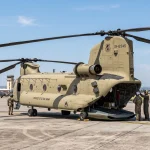
One key area where the Black Hawk shines is its operational flexibility. While many helicopters are built for niche roles-such as the CH-47 Chinook with its tandem rotor system for heavy lift-the Black Hawk accommodates a wide range of missions with relative ease. Its internal configuration can be adjusted for troop transport, cargo, or medical missions, making it an invaluable tool for commanders who need adaptability in dynamic combat environments.
In terms of performance, the Black Hawk’s speed and range are comparable to other leading helicopters, such as the Eurocopter Tiger and the Sikorsky S-92. Each of these helicopters has its strengths; for example, the S-92 is renowned for its reliability in civilian search and rescue operations. However, the Black Hawk’s proven track record in both combat and humanitarian missions sets it apart, particularly during high-stakes operations like those seen in Iraq and Afghanistan.
Furthermore, the Black Hawk benefits from continuous upgrades and variants, ensuring it maintains its relevance against contemporary helicopters like the Boeing AH-64E Apache Guardian, which incorporates advanced weaponry and targeting systems. While the Apache excels in direct attack scenarios, the Black Hawk’s multi-role capabilities make it a cornerstone of U.S. military air operations. This ongoing evolution and adaptability illustrate why the Black Hawk remains a preferred choice among military and civilian operators worldwide.
In summary, when evaluating the Black Hawk against its peers, it becomes clear that its blend of versatility, ongoing development, and proven performance in various missions underscores its essential role in modern aviation. Whether in the service of military operations or humanitarian efforts, the Black Hawk helicopter continues to be a benchmark against which other aircraft are measured.
Global Impact of the Black Hawk Helicopter
The UH-60 Black Hawk helicopter has had a profound global impact since its introduction, shaping military operations and humanitarian efforts around the world. This multi-role aircraft is not only integral to the United States’ armed forces, but it has also been embraced by numerous countries, facilitating international cooperation in both combat and disaster relief missions. With over 4,000 units produced, its versatility and reliability have made it a benchmark in military aviation, demonstrating capabilities that extend far beyond traditional roles.
One of the standout features of the Black Hawk is its role in humanitarian assistance and disaster response. For instance, during natural disasters, such as hurricanes, the Black Hawk has been pivotal in evacuating civilians and delivering supplies. Its agile design allows for operations in challenging environments, including urban and remote locations, making it an invaluable asset when swift action is required. Countries around the globe have adopted the Black Hawk for peacekeeping missions, allowing for logistical support and troop transport in areas affected by conflict.
Moreover, the continuous upgrades to the Black Hawk range from improved avionics to advanced weaponry, ensuring that it remains relevant in a rapidly evolving technological landscape. This adaptability not only enhances its military effectiveness but also translates to improved safety and increased operational success in missions worldwide. As nations face new challenges, the Black Hawk stands as a testament to innovative engineering and strategic foresight in military aviation.
From its decisive role in military engagements to its compassionate application in humanitarian operations, the Black Hawk helicopter exemplifies the blend of capability and reliability. Its global impact is evidenced not just in the number of missions flown, but in the stories of lives saved and communities assisted throughout its extensive operational history. The Black Hawk’s enduring legacy continues to inspire the next generation of aviators and offers diverse career opportunities in fields ranging from piloting to engineering, assuring its place in the future of aviation.
Career Opportunities Related to Black Hawk Operations

The UH-60 Black Hawk helicopter is not only a marvel of engineering but also opens numerous career pathways for those passionate about aviation and military operations. With the continued use and evolution of the Black Hawk, professionals in various fields can find fulfilling roles that contribute to its operation, maintenance, and development. From aspiring pilots to maintenance technicians, the opportunities within the Black Hawk program are diverse and rewarding.
Career Paths in Black Hawk Operations
- Pilots: Becoming a Black Hawk pilot requires extensive training and experience. Candidates typically need to complete a military flight training program, where they develop essential skills in aviation, navigation, and helicopter operations. Many pilots are drawn to the excitement of flying a multi-role aircraft capable of various missions.
- Maintenance Technicians: These professionals ensure that Black Hawks are in peak condition and ready for deployment. This role involves regular inspections, repairs, and upgrades, making technical expertise in aviation mechanics critical. Technicians may specialize in avionics, engines, or structural components.
- Flight Engineers: Serving alongside pilots, flight engineers monitor systems during flight and assist with navigation and in-flight adjustments. They undergo comprehensive training to understand the helicopter’s complex systems and operational protocols.
- Logistics and Support Personnel: These roles focus on the deployment and supply chain management for Black Hawk operations. They ensure that all necessary parts, equipment, and personnel are available for missions, playing a key role in mission success.
- Research and Development Engineers: For those interested in the future of aviation technology, working in R&D can be especially fulfilling. These engineers work on innovative upgrades and modifications to enhance the Black Hawk’s capabilities, ensuring it remains relevant in modern military operations.
Skills and Education Required
Many of the roles related to Black Hawk operations require a combination of formal education and hands-on experience. Aspiring pilots typically need a bachelor’s degree and flight training, while maintenance technicians often have associate degrees in aviation maintenance technology or related fields. Soft skills, such as teamwork, communication, and problem-solving, are also crucial for all positions, as these roles often require collaboration in high-pressure scenarios.
Overall, the legacy of the Black Hawk helicopter not only shapes military and humanitarian operations but also paves the way for a range of career opportunities. The blend of technical proficiency, operational readiness, and commitment to service continues to inspire new generations of aviation enthusiasts eager to make their mark in this dynamic field.
Maintenance and Upgrades of the Black Hawk Fleet
The Black Hawk helicopter, renowned for its versatility and reliability, has a robust maintenance and upgrade program that ensures it remains a critical asset in military operations. Regular maintenance is essential not only for performance but also for safety, especially considering the challenging environments in which these helicopters often operate. Technicians conduct thorough inspections, diagnostic tests, and repairs to keep the fleet operational. For example, routine checks on the rotor systems, engines, and avionics are standard practices that help identify potential issues before they escalate.
Upgrading the Black Hawk fleet is equally vital. Over the years, the U.S. Army and allied forces have implemented numerous enhancements to adapt to evolving mission requirements and technological advancements. Many upgrades focus on avionics, which may include advanced navigation systems, digital cockpit displays, and improved communications equipment. This modernization allows Black Hawks to operate effectively in various scenarios, including combat, medevac, and logistical support. Retrofitting older models, like the UH-60L, with newer technology ensures that they remain operational alongside the latest variants, like the UH-60M.
Maintaining Operational Readiness
Maintaining operational readiness requires a well-organized logistics and support framework. Maintenance units are responsible for ensuring that parts are available and that technicians are trained on the latest procedures and systems. Regular training sessions for ground crews help them stay updated with new technologies and regulations. For anyone interested in aviation careers, this aspect of Black Hawk operations presents opportunities in logistics management, aircraft maintenance, and technical training.
Challenges and Innovations
Despite the robust maintenance programs, challenges persist. Helicopters often face wear and tear from rigorous use, and environmental factors such as exposure to saltwater or extreme temperatures can accelerate deterioration. Continuous innovation in materials and maintenance practices aims to address these issues; for instance, new composite materials are being tested for rotor blades to enhance durability without adding weight.
In summary, the Black Hawk’s maintenance and upgrades are critical to its lifespan and effectiveness. The dedication of personnel in these roles underpins the helicopter’s continued success on the front lines and ensures that it remains a formidable tool in the arsenal of military aviation. As technology advances, so too does the commitment to maintaining this iconic helicopter, making it a focal point for aspiring aviators and helicopter enthusiasts alike.
Future Prospects for the Black Hawk Helicopter
The future of the Black Hawk helicopter is as promising as its storied past. Originally introduced in the late 1970s, the UH-60 Black Hawk has evolved significantly, and its adaptability continues to be a crucial factor in its ongoing relevance in military aviation. With the U.S. Army and allied forces facing ever-changing operational demands, the Black Hawk is being revitalized through a combination of technological upgrades, enhanced capabilities, and new operational roles.
As military needs evolve, enhancements to the Black Hawk fleet are often centered around advanced avionics and integrated systems. For example, the introduction of the UH-60V variant features a glass cockpit with digital displays, which improves situational awareness and pilot efficiency compared to earlier analog systems. Such upgrades not only extend the aircraft’s lifespan but also ensure it can execute complex missions in modern combat environments. Equipping helicopters with cutting-edge communications technology and data-sharing capabilities also allows for improved coordination with other military assets, essential in multi-domain operations.
Career Opportunities in the Future of Black Hawk Operations
With the future of the Black Hawk intertwined with advancements in technology, there is a growing demand for skilled personnel to operate and maintain these helicopters. This opens various career pathways for aspiring aviators and technical experts. Positions in aviation maintenance, aerospace engineering, and pilot training are critical, offering opportunities to engage with state-of-the-art systems. Those interested in supporting operations can explore roles in logistics and supply chain management to keep the fleet running efficiently.
In addition, the continued relevance of the Black Hawk is fostering interest in humanitarian and peacekeeping missions. These helicopters are increasingly being utilized for disaster relief, medical evacuation, and civilian transport, highlighting their importance beyond traditional military operations. Enthusiasts and professionals alike can contribute to these missions, enhancing their careers while making a difference in humanitarian efforts worldwide.
The Black Hawk has continually adapted to meet the challenges of modern warfare, ensuring that it remains an invaluable asset for military forces. As it transitions into its next phase, the helicopter not only embodies the spirit of innovation but also represents the resilience and adaptability required in today’s complex operational landscapes. With new technologies on the horizon, the future holds exciting possibilities for both the aircraft and those who operate it.
Faq
markdown
Q: When was the Black Hawk helicopter first introduced to the military?
A: The Black Hawk helicopter was first introduced to the U.S. military in 1979, marking its entry into service with the U.S. Army. It was designed to meet the requirements of a utility helicopter and replace older models.

Q: What are the main models of the Black Hawk helicopter?
A: The main models of the Black Hawk helicopter include the UH-60A, UH-60L, UH-60M, and HH-60 series. Each model has undergone various upgrades and modifications to enhance performance, avionics, and mission capabilities over the years.

Q: How has the production of the Black Hawk changed over the years?
A: Production of the Black Hawk helicopter has evolved significantly since its introduction, with advances in materials, technology, and design. The current production line focuses on the UH-60M variant, ensuring that the helicopter remains relevant for modern military operations.

Q: What role did the Black Hawk helicopter play in the Gulf War?
A: During the Gulf War (1990-1991), the Black Hawk helicopter served critical roles in troop transport, medical evacuation, and logistical support. Its versatility and advanced technology greatly enhanced U.S. forces' operational capabilities in the region.

Q: Why is the Black Hawk helicopter considered an iconic military aircraft?
A: The Black Hawk helicopter is considered iconic due to its rugged design, versatility, and proven performance in numerous conflicts. Its role in missions like the Battle of Mogadishu and various humanitarian efforts cemented its status as a symbol of military aviation.

Q: What innovations have been integrated into recent Black Hawk models?
A: Recent Black Hawk models have integrated numerous innovations, including upgraded avionics, improved engine efficiency, and enhanced survivability features. These advancements ensure that the helicopter can perform effectively in diverse and challenging environments.

Q: How much does a Black Hawk helicopter cost?
A: The cost of a Black Hawk helicopter can vary significantly, but a new UH-60M model typically costs around $21 million. Prices can change based on modifications, additional equipment, and contract terms with the military.

Q: What future upgrades are expected for the Black Hawk helicopter?
A: Future upgrades for the Black Hawk helicopter are expected to include enhancements in digital avionics, composite materials, and potentially stealth technology. These advancements aim to ensure that the Black Hawk continues to meet the evolving demands of modern warfare.
The Conclusion
As we conclude our exploration of the Black Hawk helicopter’s production history, we hope you now grasp the significance of its development and the impact it has had on aviation. This remarkable aircraft has transformed military missions and continues to inspire innovation. If you’d like to dive deeper, check out our articles on the evolution of military aviation technology and the future of helicopter design. Don’t miss your chance to subscribe to our newsletter for the latest insights and updates in the aviation world!
Join the conversation by sharing your thoughts or questions in the comments below-we love hearing from helicopter enthusiasts and newcomers alike! Whether you’re curious about pilots’ career paths or the latest advancements in helicopter engineering, we have plenty of resources waiting for you to explore. Remember, every click brings you closer to uncovering the fascinating stories and technologies behind the aircraft we admire. Thank you for joining us, and we look forward to your next visit!
When Was the First Black Hawk Made? Sikorsky Prototype Timeline and UTTAS Fly-Off
When evaluating military aviation history, historians frequently research: when was the first blackhawk made? The development of the Sikorsky UH-60 Black Hawk was forged directly by combat lessons in the Vietnam War, where the thin-skinned Bell UH-1 Huey suffered high loss rates from small arms fire and lack of power redundancy. In January 1972, the U.S. Army issued the Utility Tactical Transport Aircraft System (UTTAS) specification to create an invincible squad-carrying combat transport.
Sikorsky UH-60 Black Hawk Historical Development Timeline
From drafting boards in Stratford, Connecticut to global battlefield dominance, here are the key production milestones:
| Date / Milestone | Model Designation | Historic Event / Achievement | Engineering Advancement |
|---|---|---|---|
| August 1972 | S-70 / UTTAS Award | U.S. Army contracts Sikorsky to build three fly-off prototypes | Twin-engine survivability and C-130 air-transportability mandate |
| October 17, 1974 | YUH-60A Prototype | First flight of prototype (tail number 73-21650) at Stratford, CT | Demonstrated swept blade tips, elastomeric bearings, and titanium D-spars |
| December 23, 1976 | UH-60A Production Award | Army declares Sikorsky victor over Boeing Vertol YUH-61 | Superior low-profile crashworthiness and high-altitude power margins |
| October 1978 | UH-60A Black Hawk | First full production aircraft rolls off the assembly line | General Electric T700-GE-700 engines (1,560 shp each) |
| June 1979 | Operational Commissioning | Enters active service with 101st Airborne Division (Air Assault) | Replaces the UH-1 Huey as the primary combat tactical transport |
| October 1989 | UH-60L Black Hawk | Upgraded engine and transmission package introduced | T700-GE-701C engines (1,890 shp); external lift increased to 9,000 lbs |
| 2007 – Present | UH-60M ‘Mike’ Model | Modern digital standard for the U.S. Army and foreign military sales | Full glass cockpit, fly-by-wire flight director, wide chord composite blades |
Crash-Surviving Design Mandate
The UTTAS specification mandated that the aircraft survive a 42-foot-per-second vertical impact without passenger fatalities. Sikorsky accomplished this by engineering three energy-absorption levels: deformable high-pressure landing gear oleos, crushable subfloor keel beams, and stroking armored seats. Discover more about Black Hawk cockpit procedures in our Black Hawk startup checklist guide and explore its exterior in our visual Black Hawk identification guide.
Get our latest guides, news, and insights highlighted in your Google Search & AI Overviews.