Did you know that a helicopter’s unique ability to hover and maneuver in tight spaces sets it apart from conventional aircraft? Understanding the differences between helicopters and airplanes not only enriches your grasp of aviation but also informs your choices, whether you’re considering a career in aviation or simply fascinated by flight. While both are incredible feats of engineering, their design, functionality, and applications diverge significantly. In this article, we’ll explore these distinctions in depth, revealing insights that cater to aviation enthusiasts, aspiring pilots, and casual readers alike. Get ready to discover the fascinating mechanics of flight that connect us to the skies above!
What Defines a Helicopter vs. an Aircraft?
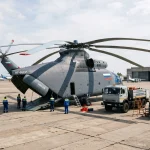
A helicopter is a unique type of aircraft that stands out due to its ability to take off and land vertically, traverse in any direction, and hover in place. These capabilities arise from the horizontal rotors, or blades, which actively provide lift and thrust. Unlike fixed-wing airplanes, which rely on their wings to generate lift as they move forward, helicopters manipulate the pitch of their blades to control their flight. This difference in design and functionality not only defines what a helicopter is but also highlights its versatility in various applications.
Helicopters and aircraft share some common characteristics as they both fall under the broad category of aviation. However, the primary distinction lies in their structural components and flight mechanics. For instance, helicopters possess multiple rotors-often one main rotor for lift and a smaller tail rotor for stability-while conventional aircraft typically have a fixed wing structure and one or more jet or propeller engines mounted to the fuselage. This fundamental difference in propulsion and lift generation leads to varied capabilities, enabling helicopters to operate in environments and scenarios where traditional aircraft may struggle.
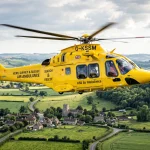
In practical terms, helicopters excel in operations requiring agility and precision, such as search and rescue missions, medical evacuations, and aerial firefighting. Their ability to hover allows for extensive observation, immediate landing capabilities, and access to hard-to-reach locations, making them invaluable in critical situations. On the flip side, fixed-wing aircraft are generally more efficient for long-distance travel, carrying larger payloads, and they typically dominate commercial air transportation due to their speed and fuel efficiency.
Understanding these distinctions is essential for anyone interested in aviation, whether you are considering a career in piloting, seeking to understand specific aircraft operations, or simply nurturing a passion for flight.
Key Differences in Design and Functionality
The design and functionality of helicopters and fixed-wing aircraft illustrate a fascinating dichotomy within aviation technology. At the core of these differences lies the method each type of vehicle employs to achieve flight. Helicopters use rotating blades, or rotors, to create lift and thrust, resulting in extraordinary capabilities such as vertical takeoff and landing, hovering, and multi-directional travel. This rotor dynamics contrasts sharply with fixed-wing aircraft, which rely on forward motion to generate lift via their stationary wings.
In terms of structure, helicopters typically consist of a main rotor system and a tail rotor, both of which work in tandem to maintain balance and control. The main rotor blades adjust their pitch to manipulate lift, enabling the aircraft to ascend, descend, and hover. The tail rotor serves to counteract the torque produced by the main rotor, providing stability and preventing unwanted rotation. This intricate relationship between the rotors fundamentally changes the flying experience, making helicopters exceptionally adept at accessing confined spaces and maneuvering in tight areas.
Conversely, fixed-wing aircraft rely on their aerodynamic wings, which must maintain a certain speed to generate sufficient lift. These aircraft are equipped with engines-either jet or propeller-that propel them forward, facilitating a smoother and often more fuel-efficient flight in comparison to helicopters. While fixed-wing airplanes excel in speed and long-distance travel, they typically require substantial runways for takeoff and landing, restricting their operational versatility compared to helicopters.
The applications that arise from these design differences are crucial for understanding the respective roles of helicopters and fixed-wing aircraft in aviation. For example, helicopters are indispensable for tasks like search and rescue operations, medical evacuations, and law enforcement missions, where their ability to hover and land in challenging terrain is paramount. In contrast, airplanes dominate commercial air travel, freight transport, and military operations where speed and distance covered are prioritized. By appreciating these , enthusiasts and aspiring pilots alike can gain a clearer understanding of their contributions to the world of aviation.
Understanding Rotor Dynamics and Wing Mechanics

To appreciate the wonders of aviation, we must delve into the mechanics that allow helicopters and fixed-wing aircraft to soar. The key difference lies in how these two types of vehicles generate lift. Helicopters utilize rotating blades known as rotors, while airplanes depend on stationary wings. This fundamental distinction significantly influences their flight capabilities and operational roles.
The rotor dynamics of a helicopter are fascinating. A helicopter’s main rotor consists of several blades that spin at high speeds. By varying the pitch of these blades-a process called collective and cyclic control-helicopter pilots can manage their lift and direction. This ability to hover, ascend, or descend vertically, as well as move in any direction without needing forward momentum, makes helicopters incredibly versatile. Such features allow them to access remote areas, conduct search and rescue missions, or perform utility tasks in confined spaces.
On the other hand, fixed-wing aircraft’s wings must maintain a certain speed to produce lift through airflow, adhering to Bernoulli’s principle. As air moves faster over the wing’s upper surface, the pressure decreases, creating lift. This design means planes excel in long-distance travel and speed but require runways for takeoff and landing. In contrast, helicopters can operate in diverse environments, including urban areas and rugged terrains where conventional aircraft could not safely land.
Understanding these mechanics not only highlights the distinct nature of helicopters and aircraft but also enhances our appreciation for the pilots who navigate them. From soaring above a city to diving into remote landscapes, each flight showcases a blend of technology and skill that defines modern aviation.
Applications: Where Helicopters Excel Over Aircraft

In the diverse world of aviation, helicopters hold a unique position, showcasing their capabilities in ways fixed-wing aircraft often cannot. One remarkable fact about helicopters is their ability to execute vertical takeoffs and landings, allowing them to operate in highly confined spaces. This agility makes them indispensable in various applications where traditional airplanes would struggle or be entirely impractical.
Emergency Services and Search and Rescue
One of the most critical roles helicopters play is in emergency services. They are often the first on the scene in rescue situations, providing rapid response capabilities that can save lives. Equipped with advanced medical equipment, air ambulances can transport critically injured patients from accident sites to hospitals within minutes, bypassing traffic and geographic barriers. Search and rescue missions benefit greatly from helicopters’ ability to hover and maneuver in rugged terrains such as mountains or remote forests-areas where fixed-wing aircraft face significant operational limitations.
Utility and Construction Operations
Helicopters excel in utility and construction operations due to their ability to lift heavy loads to areas that may be inaccessible by road. For instance, they are instrumental in power line maintenance, transporting workers and equipment directly to remote sites. In forest management, helicopters are used for aerial fire fighting, rapidly dropping water or fire retardants over wildfires in a targeted manner. Their capacity for precision delivery, rather than needing to clear a landing area, enhances operational efficiency and safety in such critical tasks.
Agricultural Applications
The agricultural sector also benefits immensely from helicopter technology. When it comes to crop dusting or spraying pesticides, helicopters can cover vast areas quickly while ensuring an even distribution of chemicals. Their ability to hover allows them to work effectively over various types of terrain-whether it be a small farm or a large field-all while reducing soil compaction compared to ground vehicles.
Tourism and Recreation
Helicopters have made their mark in the tourism industry as well. Scenic helicopter tours provide breathtaking views of landscapes that might be hard to appreciate from the ground. Popular destinations like the Grand Canyon and Niagara Falls have helicopter tours that enhance the visitor experience. Moreover, film production companies often utilize helicopters to capture aerial shots, offering viewers breathtaking perspectives that enrich storytelling.
In summary, helicopters shine in applications demanding versatility, precision, and rapid response capabilities. Their ability to navigate difficult landscapes and perform specialized functions makes them invaluable in many fields, from emergency services to agricultural efficiency and scenic explorations.
Safety Features: Comparing Helicopter and Aircraft Technology

In the world of aviation, safety is paramount, and the technologies that underpin helicopter and airplane designs reflect this priority, albeit in different ways. Helicopters are designed with unique safety features tailored to their operational requirements, which contrast with those found in traditional fixed-wing aircraft. One crucial aspect is the rotor system; helicopters are equipped with multiple rotors or redundant systems that allow them to maintain control in case of a failure. This is complemented by advanced technology like autogyros, which can enable a controlled descent even in the event of complete engine failure, a significant advantage over most airplanes.
When considering cockpit safety, helicopter pilots benefit from a different arrangement of controls and instrumentation compared to airplanes. Helicopters typically feature cyclic and collective controls that require distinct training for handling, which emphasizes situational awareness and quick response in emergencies. In addition, cockpit design may incorporate crash-resistant seating and strengthened structures to protect pilots and passengers during unexpected landings.
For helicopters, ongoing maintenance is critical for safety performance, particularly given their complex rotor dynamics. Operators must adhere to stringent inspection schedules, and pilot training often includes simulations of emergency scenarios like engine failures or system malfunctions. This rigorous approach extends to operational protocols; for example, many helicopter operators utilize careful flight planning techniques that account for environmental factors, ensuring the safest possible conditions during flights.
Another vital aspect of safety in helicopters is their rapid response capabilities, especially in medical emergencies or search and rescue missions. The ability to land almost anywhere and their hovering capabilities allow them to reach patients in distress far quicker than airplanes. This not only highlights a functional difference but also underscores the importance of technological adaptations that prioritize immediate safety while performing vital roles.
The combination of these elements-design features, operational protocols, and pilot training-demonstrates that safety measures in helicopters and aircraft differ fundamentally, shaped by the specific challenges each type of vehicle faces in the sky. Each system has its strengths and weaknesses, making ongoing education and innovation critical in enhancing safety in both domains.
Cost Analysis: Operating Helicopters vs. Airplanes
Operating costs for helicopters and airplanes significantly differ, influenced by several factors including fuel efficiency, maintenance, crew requirements, and overall utility. While both types of aircraft serve vital roles in transportation, the costs associated with flying helicopters can be substantially higher, making them more suitable for specific missions rather than general travel.
One of the primary cost contributors is fuel consumption. Helicopters generally consume more fuel per hour than airplanes due to their design and the need for continuous power to keep the rotors spinning. For example, a medium-sized helicopter might burn around 20 to 30 gallons of fuel per hour, whereas a comparable-sized airplane may use only 10 to 15 gallons under similar conditions. This disparity can lead to increased operational expenses, particularly for businesses that rely on helicopter operations for services like medical transport or aerial firefighting.
Maintenance and Operational Costs
The maintenance requirements also vary considerably between these aircraft. Helicopters need frequent inspections and more meticulous maintenance due to their complex rotor systems and overall mechanical intricacies. The maintenance costs-often pegged at 15% to 25% of total operating costs-can add up quickly. In contrast, airplanes, especially those that are fixed-wing and less complex, might incur lower regular maintenance expenses. The Federal Aviation Administration (FAA) mandates regular maintenance checks for both types of aircraft, but the nature and frequency differ, further influencing operational costs.
Pilot and Crew Requirements
Additionally, the qualification and training of pilots present another cost factor. Helicopter pilots typically undergo rigorous training to manage the unique controls and dynamics of rotorcraft. Training can be longer and more expensive, often leading to higher wages. While airplanes also require skilled pilots, their training paths can be slightly less taxing, especially for those flying smaller general aviation aircraft. For organizations using helicopters for specialized roles, such as law enforcement or emergency services, the costs associated with training and maintaining a qualified crew can be quite substantial.
Overall, when considering the total cost of ownership, including purchase price, fuel, maintenance, and personnel expenses, airplanes tend to provide more economical options for long-distance travel or freight transport. In contrast, helicopters justify their higher costs through unmatched versatility and the ability to access remote locations quickly. Such capabilities can make helicopters indispensable in specific scenarios, despite the higher operational costs involved.
Pilot Training: Pathways for Helicopter and Aircraft Operators
To achieve the thrill of flying helicopters or airplanes, aspiring pilots embark on distinct training pathways that reflect the unique demands of each aircraft type. For those drawn to the rotorcraft world, helicopter pilot training often requires a greater emphasis on managing complex controls, understanding rotor dynamics, and mastering hovering techniques. This journey typically begins with obtaining a Private Pilot License (PPL) for helicopters, which includes both ground school and practical flight training. Students often accumulate a minimum of 40 flight hours, but many schools recommend much more to build the necessary confidence and skills in various flight scenarios.
In contrast, those leaning towards fixed-wing aircraft start with similar foundational training but with a focus on wing aerodynamics and traditional navigation methods. A Private Pilot License for airplanes usually entails around 40 hours of flight training, supplemented with extensive ground instructions covering topics like aviation regulations, weather patterns, and flight planning. Through structured lessons, pilots learn to conduct safe takeoffs and landings, manage engine output, and navigate using instruments.
Specialized Training and Certifications
As pilots advance, specialization becomes key. For helicopters, there are opportunities to pursue advanced certifications in areas like instrument flying, which allows for flying under various weather conditions, or type ratings for specific helicopter models such as the Robinson R44 or Airbus H125. Organizations like Midwest Aeronautical Helicopter Services offer extensive training focused on specific helicopter models, ensuring pilots are well-prepared for operational demands[[2]].
For airplane pilots, similar pathways exist, including multi-engine ratings and airline transport pilot (ATP) certification, which is vital for those aspiring to join commercial airlines. The North American Training Academy, for instance, enhances the skills of many aspiring pilots and technicians, providing industry-relevant training that is recognized widely across military and para-public sectors[[3]].
Investment in Training
The costs involved in pilot training reflect the investment needed for achieving proficiency. Helicopter training can be more expensive than airplane training due, in part, to higher instruction fees and the greater complexity of helicopter operations. Furthermore, insurance and maintenance costs of operating helicopters can contribute to the overall financial commitment. Understanding these factors and planning accordingly is crucial for any aspiring pilot.
Both helicopter and airplane training require dedication and skill, but the specific demands, from operational techniques to financial investments, differ significantly. Whether pursuing the high-flying capabilities of rotorcraft or the smooth efficiencies of fixed-wing flight, the journey to becoming a skilled pilot offers a rewarding experience full of challenges and achievements.
Popular Helicopter Models and Their Unique Traits
Helicopters represent a fascinating blend of engineering and versatility, with several models each showcasing unique strengths suited to various missions. Among the most popular helicopters is the Bell 206 Jet Ranger, known for its reliability and ease of operation. This model has been a favorite for air tours, police and emergency services, and is frequently seen in films and television due to its sleek design and excellent maneuverability. With a cruising speed of around 120 knots and the ability to carry up to four passengers, it epitomizes the general-purpose rotorcraft.
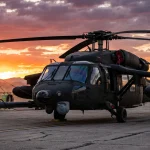
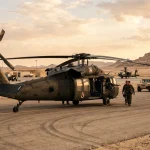
Another noteworthy model is the Sikorsky UH-60 Black Hawk, primarily designed for military use. Renowned for its durability and advanced avionics, the Black Hawk operates in diverse environments, conducting cargo aerial transport, troop transport, and medical evacuations. It can reach speeds of approximately 150 knots and has a range of about 400 miles, making it a versatile asset in challenging conditions.
The Robinson R44 is a favorite among flight schools and private owners alike. With a four-seat capacity and an innovative design that enhances safety and performance, this light helicopter is used for training, aerial photography, and scenic flights. Its low operating costs and relatively simple maintenance requirements make it an attractive option for aspiring pilots and enthusiasts.
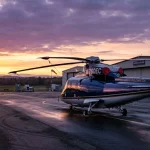
The Airbus H130, previously known as the EC130, stands out for its spacious cabin and quiet operation, perfect for tourism and VIP transportation. With an advanced noise-reduction system and the ability to hold up to seven passengers, it provides a comfortable and stylish way to explore the skies.
These models exemplify the range of capabilities that helicopters can offer, serving various applications from military to medical to leisure flights. Each aircraft brings its own strengths to the flying experience, catering to pilots, passengers, and operators alike. Understanding these unique traits not only informs potential buyers about their options but also offers insights for aspiring pilots as they consider their paths within the aviation industry.
Innovations in Helicopter and Aircraft Technology
The aviation industry is witnessing remarkable advancements that significantly differentiate helicopters from traditional fixed-wing aircraft. These innovations not only enhance performance but also improve safety, efficiency, and environmental sustainability. As technology evolves, so do the capabilities of these aircraft, paving the way for a new era of flying.
One of the most exciting developments in helicopter technology is the advent of electric and hybrid propulsion systems. Manufacturers like Airbus and Sikorsky are exploring electric vertical takeoff and landing (eVTOL) aircraft, aiming to reduce carbon emissions and noise pollution. These systems leverage battery technology, which has progressed significantly, allowing helicopters to operate quietly in urban environments, which opens up potential for air taxis and other urban air mobility solutions. The Airbus eVTOL project, for instance, shows promise for urban transport, offering a sustainable alternative to ground-based vehicles.
Another area of innovation is fly-by-wire technology, which enhances flight control and safety. This system replaces traditional manual controls with electronic interfaces, providing more precise handling and reducing pilot workload. Helicopters such as the Sikorsky S-76D utilize this technology, incorporating advanced avionics that improve situational awareness and navigation. This shift not only increases safety but also allows for more sophisticated automation, reducing human error-a significant factor in many aviation incidents.
Furthermore, advancements in materials science have contributed to the development of lighter and stronger helicopter structures. The use of composite materials like carbon fiber not only reduces weight but also enhances the durability of rotor blades and airframes. This innovation not only improves fuel efficiency but also extends the operational life of aircraft, providing better value for operators.
As we look ahead, the integration of artificial intelligence (AI) and machine learning into aviation systems is beginning to reshape flying experiences. These technologies can analyze data in real-time, helping pilots make informed decisions, and enhancing automated flight systems-making air travel safer and more reliable. Companies are testing drones equipped with AI that could eventually integrate into air traffic management systems, ensuring smoother operations for both helicopters and fixed-wing aircraft in increasingly congested airspaces.
In conclusion, the innovations transforming helicopter and aircraft technology are not only making flying safer and more efficient but also aligning the aviation industry with modern environmental standards and urban mobility needs. As these advancements continue to unfold, they promise to revolutionize the way we think about aviation, making it more accessible and sustainable for future generations.
Environmental Impact: Helicopters vs. Aircraft
The environmental impact of helicopters compared to fixed-wing aircraft is a complex and evolving topic, with recent innovations reshaping the landscape. While traditional helicopters have faced criticism for their noise levels and fuel consumption, advances in technology are making significant strides toward sustainability. For instance, the introduction of electric vertical takeoff and landing (eVTOL) aircraft represents a promising future for urban air mobility, as these vehicles aim to reduce not only carbon emissions but also the noise pollution that often disrupts communities near helipads.
### Key Environmental Considerations
Helicopters inherently consume more fuel per passenger mile than airplanes due to their operational mechanics and design. However, they provide unique benefits, such as the ability to access remote locations without extensive infrastructure. Here are some factors to consider when discussing the environmental impact of these aircraft:
- Noise Pollution: Helicopters can generate significant noise, which affects urban environments. The development of quieter rotor designs and eVTOL technology is expected to mitigate this issue, making helicopters more acceptable in residential areas.
- Carbon Emissions: Traditional helicopters consume more fuel, leading to higher emissions. However, manufacturers are increasingly integrating more fuel-efficient engines and exploring hybrid and electric propulsion options to minimize their carbon footprint.
- Operational Versatility: Helicopters can operate in various terrains and urban landscapes where fixed-wing aircraft cannot, offering essential services like medical evacuations and search-and-rescue operations in inaccessible areas.
### Future Directions
The integration of new technologies, like artificial intelligence and improved materials, is enhancing the efficiency of both helicopters and aircraft. For example, lighter composite materials reduce fuel consumption and emissions for helicopters, while the shift towards hybrid and fully electric models holds promise for significantly lowering the environmental impact of aviation. As these developments continue, the focus will increasingly shift towards achieving greener operational practices in aviation.
Ultimately, as society moves towards more sustainable practices, the aviation industry, including both helicopters and fixed-wing aircraft, is poised for transformation. By prioritizing innovation and environmental responsibility, operators can minimize their ecological footprint while maintaining the critical roles that both types of aircraft play in transportation and emergency services.
Myth-Busting: Common Misconceptions About Helicopters and Aircraft
Many people harbor misconceptions about helicopters and aircraft that can skew their understanding of aviation. One common belief is that helicopters are inherently less safe than airplanes. While high-profile helicopter accidents can overshadow their reliable operational history, statistically, commercial aviation-both fixed-wing and rotary-has made remarkable safety advancements. Helicopters often operate in challenging conditions, such as emergency rescues or medical evacuations, which can contribute to their perceived danger, but these missions are critical and often necessitate their unique capabilities.
Another myth is that helicopters cannot fly as far or as fast as airplanes. In reality, helicopters have unique design advantages that allow them to operate in ways airplanes cannot, such as vertical takeoff and landing, hovering in place, and flying at low altitudes. However, it’s true that helicopters generally have a shorter range and lower top speeds than fixed-wing aircraft, but this is primarily due to their rotor dynamics and design complexities. The versatility of helicopters makes them essential for tasks in rugged terrains, inaccessible areas, and urban environments.
Cost perception is also often misaligned with reality. Many assume that operating helicopters is exponentially more expensive than airplanes. While it’s accurate that helicopters have higher operational costs per hour, particularly due to maintenance and specialized pilot training, the total cost can vary based on mission needs and frequency of use. For situations requiring quick access to remote areas or urgent transportation, the benefits of helicopters far outweigh the costs in many instances.
Lastly, there is a playful yet persistent myth that helicopters can simply “turn off” mid-flight and hover indefinitely. This is a misunderstanding of rotor dynamics; while they can hover, a helicopter requires forward motion and continuous rotor activity to generate enough lift. Pilots must constantly manage the aircraft’s momentum, altitude, and rotor speed to maintain stable flight. Understanding these nuances enhances appreciation for both the engineering feats of helicopters and the vast roles they play in aviation.
Future Trends in Aviation: Where Are We Headed?
The aviation landscape is on the brink of remarkable transformations, driven by advancements in technology and innovative designs. Exciting developments such as electric vertical takeoff and landing (eVTOL) aircraft promise to revolutionize urban transportation, merging the attributes of helicopters and fixed-wing aircraft. With growing concerns about congestion in metropolitan areas, eVTOLs are being developed to provide quick and environmentally friendly alternatives for short-distance travel. These aircraft operate silently and can alleviate some of the pressure on existing transportation systems.
Innovative Technologies and Sustainability
As concerns about climate change deepen, aviation is increasingly focused on sustainability. Helicopter and aircraft manufacturers are investing heavily in green technologies. For instance, hybrid electric systems are being trialed to not only reduce fuel consumption but also minimize noise pollution-a common grievance with traditional helicopters. Innovations like advanced rotor designs aim to enhance aerodynamic efficiency, reducing drag and energy expenditure.
Future Applications: Beyond urban air mobility, these technologies extend into medical services, search and rescue, and logistics, ensuring helicopters remain vital in diverse roles while adapting to new environmental standards.
Training and Career Opportunities
The future also holds promise for aspiring pilots and aerospace engineers. With the emergence of new aircraft types, pilot training programs will evolve to incorporate eVTOL flight operations and innovative systems management. Flight schools are beginning to design curricula that blend traditional helicopter and airplane training with the latest advancements in aviation technology, creating a more versatile workforce ready to tackle the challenges of modern flight.
Challenges Ahead
While optimism abounds, the integration of new technologies isn’t without its challenges. Regulatory frameworks need to adapt to accommodate eVTOLs and drones, ensuring safety in increasingly crowded airspaces. Additionally, the industry faces hurdles related to public acceptance of these new flying vehicles. Community outreach and education will play a crucial role in familiarizing the public with the advantages of these advancements.
As we look to the horizon, the aviation sector is poised for a period of dynamic growth and innovation. With a balanced focus on safety, training, and environmental impact, the future of helicopters and aircraft promises to be as thrilling as it is transformative. Prepare for a flight path that embraces technological advancements while honoring the rich legacy of aviation.
Frequently asked questions
Q: What are the main types of aircraft?
A: The main types of aircraft include fixed-wing airplanes, helicopters, gliders, and drones. Each type serves unique purposes; for example, helicopters are favored for vertical takeoff and landing, while fixed-wing airplanes are designed for longer distances and higher speeds. To learn more about different aircraft, check our section on “Key Differences in Design and Functionality.”
Q: Why are helicopters considered more versatile than airplanes?
A: Helicopters are considered more versatile because they can operate in confined spaces and take off and land vertically. This capability enables helicopters to reach areas where fixed-wing airplanes cannot, making them ideal for search and rescue missions or emergency medical services. Explore our applications section for detailed examples.
Q: How do pilot training requirements differ between helicopters and aircraft?
A: Pilot training for helicopters differs significantly from airplanes, focusing more on hovering, vertical takeoffs, and complex maneuvers. While both require foundational aviation knowledge, helicopter training often includes simulator practice for specific flight scenarios. For more on this, see our “Pilot Training” section.
Q: What environmental impacts differ between helicopters and airplanes?
A: Helicopters and airplanes have distinct environmental impacts. Helicopters typically use more fuel per mile traveled due to their operational capabilities, contributing to higher emissions during short flights. Fixed-wing aircraft, while generally more efficient over long distances, also have a significant impact on noise pollution. Our section on “Environmental Impact” provides a deeper analysis.
Q: How does operating a helicopter compare to an airplane in terms of costs?
A: Operating a helicopter is generally more expensive than an airplane. Higher fuel consumption, maintenance costs, and insurance premiums contribute to this difference. While airplanes can be cost-effective for longer trips, helicopters may incur costs for shorter flights that don’t save enough in time. Refer to our “Cost Analysis” section for more specifics.
Q: When are helicopters preferred over airplanes for transportation?
A: Helicopters are preferred for transportation in urban environments and during emergencies where speed and flexibility are crucial. They can land in smaller spaces and avoid congested areas, which is why they are often used for medical evacuations and VIP transport. Discover more in our “Applications” section.
Q: What innovations are influencing helicopter and aircraft technology?
A: Innovations such as electric propulsion, advanced avionics, and composite materials are transforming both helicopter and aircraft design. These advancements enhance efficiency, safety, and environmental sustainability. For further insight, visit our “Innovations in Technology” section.
Q: How do rotor dynamics in helicopters differ from wing mechanics in airplanes?
A: Rotor dynamics in helicopters allow for vertical lift and versatile flight capabilities, whereas airplane wing mechanics depend on forward motion to generate lift. Understanding these differences is crucial for grasping how each type of aircraft operates effectively. For a detailed explanation, check out our “Understanding Rotor Dynamics and Wing Mechanics” section.
Key Takeaways
We hope this breakdown of the differences between helicopters and aircraft has clarified your understanding of these fascinating flying machines. Both play unique roles in aviation, capable of stunning feats that enhance our lives. If you’re considering a career in aviation or just want to deepen your knowledge, check out our articles on “Aviation Careers: A Comprehensive Guide” and “Understanding Aircraft Mechanics.”
Don’t wait-delve further into the world of aviation today! Whether you’re curious about the technical differences, looking to become a pilot, or interested in aviation safety, there’s plenty more for you to explore. Join our community by signing up for our newsletter to stay updated on the latest insights and resources. Your journey into aviation continues here-let’s take flight together! Feel free to share your thoughts in the comments below; we’d love to hear from you!
Get our latest guides, news, and insights highlighted in your Google Search & AI Overviews.