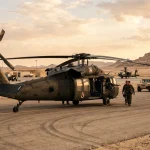
The Bell UH-1 Iroquois, popularly known as the “Huey,” is more than just a helicopter; it’s an enduring symbol of the Vietnam War and a testament to aerial innovation. Since its deployment, the Huey has captured hearts and minds with its versatility in both combat and rescue operations. As you delve into the fascinating world of the Huey, you’ll discover how this iconic aircraft changed the face of military aviation, influencing not just historical narratives but also modern helicopter design and usage. Whether you’re an aviation enthusiast, a history buff, or simply curious about this legendary machine, understanding the Huey offers valuable insights into its technical prowess and the human stories intertwined with its legacy. Join us as we explore the significance of the Huey helicopter, its impact on warfare, and its lasting legacy in aviation history.
What Is the Huey Helicopter? A Historical Overview
The Bell UH-1 Iroquois, popularly known as the “Huey,” is more than just a helicopter; it became an enduring symbol of the Vietnam War. Introduced to the U.S. Army in 1959, this single-engine, turbine-powered helicopter was designed primarily for utility roles, including troop transport, medical evacuation, and reconnaissance. Its versatility and reliability allowed it to navigate the challenging landscapes of Vietnam, where dense jungles and rugged terrain posed significant operational challenges. The nickname “Huey” comes from its original designation, HU-1, which later evolved to UH-1 during the 1962 normalization process.
The Huey’s debut coincided with the increased U.S. military involvement in Vietnam, where it quickly became the backbone of aerial transport. With its distinctive shape, loud “whup-whup” sound, and the ability to carry up to ten troops, it was often seen hovering above the battlefield, watching over troops or deploying them into combat zones. Its role in numerous missions-from airlifting soldiers to providing close air support-made it a familiar sight and an essential asset on the battlefield. The helicopter’s performance in Vietnam not only highlighted its capabilities but also underscored the importance of air mobility in modern warfare.
Over time, the iconic status of the Huey grew beyond its military applications. With countless films and media depicting its use, the Huey became engrained in popular culture-a symbol of both heroism and the complex experiences of Vietnam veterans. Even today, the legacy of the Huey is celebrated in aviation circles and recognized for its significant contributions to military aviation history. As enthusiasts and historians reflect on its storied past, the Huey continues to evoke memories of the brave men and women who flew and fought in its shadow, making it a cherished icon in the annals of military history.
The Role of Huey Helicopters in the Vietnam War
Throughout the tumultuous years of the Vietnam War, the Bell UH-1 Iroquois, commonly known as the Huey, emerged as an indispensable asset for U.S. forces. With its unique design and versatile capabilities, the Huey became synonymous with aerial mobility and rapid troop deployment, fundamentally altering how the U.S. military conducted operations in complex environments. This helicopter was not just a vehicle; it was a lifeline, providing critical support in medical evacuations and air assaults.
One of the most notable contributions of the Huey was its ability to perform medical evacuations under fire. Often dubbed “dust-offs,” these missions involved skilled pilots navigating treacherous conditions to extract wounded soldiers from the battlefield. The chopper’s spacious interior could accommodate stretchers, enabling quick transport to field hospitals, which saved countless lives. For instance, during the infamous Battle of Khe Sanh, Hueys played a pivotal role in evacuating injured troops, showcasing their vital function in sustaining U.S. forces on the ground.
The Huey also excelled in troop transport and logistical support, allowing for quick deployment to and from combat zones. Its distinctive sound, a loud “whup-whup,” became a reassuring presence for U.S. troops in the field; it signified help arriving or troops being sent into action. Furthermore, the Huey’s capacity for carrying up to ten soldiers plus equipment made it effective for various operations, from inserting special forces into remote areas to supporting larger ground operations. Its flexibility allowed commanders to adapt tactics on the fly, which was crucial in the ever-changing and unpredictable landscape of Vietnam.
However, the Huey’s legacy is not without somber chapters. Many brave pilots and crew members lost their lives during these missions, and countless stories emerged from the battlefield, highlighting both the bravery displayed and the horrors faced in combat. The helicopter’s role in the Vietnam War transformed it into an American cultural icon, a symbol of military resilience and the sacrifices made during the conflict. As today’s aviators reflect on the Huey’s storied past, understanding its contributions and the human stories behind its missions continues to resonate deeply with both veterans and aviation enthusiasts alike.
Iconic Features of the Huey: What Sets It Apart

The Bell UH-1 Iroquois, affectionately known as the Huey, stands out for its remarkable versatility and iconic design, which have cemented its status in both military history and popular culture. One of the most distinctive features of the Huey is its unique rotor system. The helicopter employs a two-blade rotor design that contributes to its agility and maneuverability, crucial for the tight and demanding environments faced during the Vietnam War. This configuration allows for impressive lift capabilities while maintaining a relatively low maintenance burden, which was essential during prolonged operations in hostile areas.
Sound and Symbolism
Perhaps just as memorable as its appearance is the Huey’s sound. The helicopter’s distinctive “whup-whup” noise became synonymous with rescue and reinforcement, providing comfort to troops on the ground. This auditory signature not only evoked a sense of hope but also transformed the Huey into a symbol of U.S. air power. For many, hearing a Huey was an assurance of impending support, reflecting its critical role in aerial medical evacuations and troop deployments.
Interior Design and Versatility
The spacious interior of the Huey is another aspect that sets it apart. With the ability to carry up to ten soldiers or a substantial amount of cargo, this helicopter adapted seamlessly to various missions, from troop transport to logistical support. Its interior could be configured to accommodate stretchers for medical evacuations, making it an essential asset during combat operations. The cleverly designed space facilitated rapid loading and unloading, optimizing the time when lives were on the line.
Technological Innovations
Innovative engineering also contributes to the Huey’s longevity in aviation. The helicopter utilized a reliable turbine engine that offered impressive speed and altitude capabilities. Furthermore, the simplicity of its design made it easier to maintain under challenging conditions, which is often a decisive factor in military aviation. Technological features such as the high-tec avionic improvements in later models keep the Huey relevant even today, used in various roles beyond its initial military purpose.
In summary, the Huey’s combination of remarkable features-the sound, the innovative rotor system, versatile interior, and robust engineering-has not only made it an effective tool in warfare but also a beloved icon in aviation history. Its legacy lives on, inspiring current and future generations of pilots and aviation enthusiasts to explore the skies.
How the Huey Revolutionized Military Aviation
The Bell UH-1 Iroquois, better known as the Huey, fundamentally transformed military aviation by introducing a new level of versatility and operational capability in combat situations. Its role during the Vietnam War showcased how mobility and rapid response could be integrated into military strategies-an approach that continues to influence aviation tactics today.
One of the revolutionary aspects of the Huey was its ability to perform a wide array of missions within a single airframe. It served not only as a troop transport and medical evacuation vehicle but also as a command and control platform and even a gunship. This versatility allowed military commanders to deploy resources efficiently, adapting to fluid battlefield conditions. The Huey’s spacious interior could be quickly reconfigured for different roles, which enhanced its utility in dynamic combat situations, allowing for rapid deployment and extraction of troops and casualties alike.
Furthermore, the Huey pioneered the concept of air mobility, a principle that reshaped military doctrine globally. The ability to airlift troops into the heart of combat zones and swiftly extract them after a mission minimized the risks associated with ground transportation through hostile territory. This innovative approach not only improved survival rates during operations but also facilitated rapid reinforcements and supply line mobility, significantly altering how ground forces interacted with aerial support.
Safety and engineering advancements also defined the Huey’s legacy. The helicopter’s turbine engine, combined with its robust design, made it easier to maintain and operate under challenging conditions, a necessity in combat zones. The Huey’s reliability became a critical factor in sustaining military operations, ensuring that personnel could count on aerial support as needed, even in the most adverse environments.
In sum, the Huey’s influence on military aviation extends far beyond its appearances in iconic images and films. Its innovations in transport capability, battlefield mobility, and operational versatility have left an indelible mark, inspiring future generations of aircraft design and military strategy. Whether in emergency medical evacuations or direct troop support, the legacy of the Huey continues to shape how we think about the role of helicopters in modern warfare and humanitarian efforts.
Exploring Different Models of Huey Helicopters
The Bell UH-1 Iroquois, affectionately known as the Huey, comes in various models, each with unique attributes that cater to specific tasks and evolving military needs. Whether on the battlefield during the Vietnam War or serving in humanitarian missions, different Huey variants have demonstrated remarkable adaptability.
Key Models of the Huey
The Huey family includes several notable variants, each designed for distinct operational roles:
- UH-1D: This is one of the most recognized models, featuring a longer fuselage, which increases troop-carrying capacity. It is equipped to transport up to ten fully outfitted soldiers and is often used for troop transport and medical evacuations.
- UH-1H: An upgraded version of the UH-1D, the UH-1H boasts enhanced power and performance improvements, making it a versatile choice for various missions, including aerial firefighting and search and rescue operations.
- AH-1 Cobra: While primarily a ground attack platform, the Cobra evolved from the Huey design, sharing core components but modified for combat operations. Its sleek design and armament capabilities enable it to provide close air support.
- UH-1M: Designed specifically for gunship roles, this model includes mounted weapon systems and armor for crew protection, allowing it to engage directly with enemy forces while providing cover for troop movements.
Specialized Roles
Over the years, adaptations of the Huey have expanded into numerous specialized roles, illustrating its versatility. The UH-1N, a twin-engine model, is often tasked with VIP transport and logistical support due to its increased safety and stability. Additionally, the Huey has become a staple in firefighting operations, equipped with water tanks and drop systems to combat wildfires.
Both military and civilian operators have relied on the Huey’s robust framework for various aerial applications. For example, today’s search and rescue missions often leverage modified Hueys with advanced communication systems and medical equipment, showcasing the helicopter’s evolution from a combat helicopter to a multi-role platform.
Despite a few tragic incidents in its history, the Huey remains a beloved icon, a testament to innovation in aviation. As aspiring pilots or aviation enthusiasts, understanding these different models can provide a clear view of how the Huey has adapted to address complex challenges in and outside military operations, ensuring it continues to play a vital role in aviation today.
Behind the Controls: Flying a Huey Helicopter

Flying a Huey helicopter is a thrilling experience that combines technical skill, situational awareness, and a deep respect for aviation history. The Bell UH-1 Iroquois, affectionately known as the Huey, was designed for versatility, accommodating various missions from troop transport to medical evacuations and aerial firefighting. Pilots at the controls of a Huey experience the unique characteristics of its flying dynamics, which require both meticulous attention to detail and instinctive responses to changing flight conditions.
One of the most striking aspects of flying a Huey is its responsiveness. With a three-blade rotor system, pilots can experience rapid ascents, sharp turns, and smooth landings, making it essential to master the fundamentals of helicopter flight. Essential controls include the cyclic stick, which tilts the rotor disk and controls direction, the collective lever that adjusts the pitch of the rotor blades for altitude, and the anti-torque pedals that manage yaw. Understanding the relationship between these controls is vital, as they work in concert to keep the helicopter stable and maneuverable in various environments.
What stands out during flight is the sound of the rotor blades slicing through the air, creating a rhythmic beat that has become synonymous with the Huey, especially during its iconic service in the Vietnam War. Pilots often recount the sense of purpose felt while navigating through challenging terrains, dodging enemy fire, or conducting rescues in treacherous conditions. Yet, the history of the Huey also serves as a reminder of the dangers faced by military aviators; numerous pilots and crew members lost their lives during service. Honoring these sacrifices influences a pilot’s mindset, instilling a profound respect for safety and mission objectives.
Becoming a Huey pilot requires dedication and training. Future aviators often start with a solid foundation in flight training, mastering basic flying skills before advancing to helicopters. Military pilot training programs for the Huey are rigorous, combining simulations, ground schooling on helicopter systems, and extensive flight hours under various conditions. After gaining experience, pilots may specialize in specific roles such as air assault, medical evacuation, or search and rescue, further highlighting the helicopter’s adaptability and the diversity of opportunities available within this field. Whether in civilian life or military service, flying a Huey offers a blend of excitement, challenge, and historical significance that captivates aviation enthusiasts around the world.
Stories from the Battlefield: Huey Anecdotes
From daring rescues to harrowing missions, stories from the battlefield involving the Huey helicopter weave a rich tapestry of courage and camaraderie. One of the most notable anecdotes comes from the Vietnam War, where the Huey earned its reputation as a lifeline for countless soldiers. The helicopter’s swift response capabilities shone through during Operation Menu, a series of bombing raids along the Ho Chi Minh Trail. In one instance, after a convoy was ambushed, a Huey helicopter raced in to evacuate wounded soldiers under heavy fire, demonstrating the crew’s unwavering commitment and skill. Pilots and medics worked seamlessly in these life-and-death situations, often pushing their limits to save comrades trapped in hostile terrain.
The enduring image of the Huey, beloved for its distinctive sound and versatility, often conjures memories of the “Dustoff” missions. This term refers to medical evacuation flights, where Huey pilots braved enemy gunfire to retrieve injured troops. One such mission involved a team operating near the infamous Firebase Ripcord. When air support was delayed due to weather, a Huey pilot volunteered to make the perilous journey to extract a wounded soldier. With minutes to spare, the crew landed under fire, successfully pulling out the injured and returning them to safety. This testament to the Huey’s role went beyond transportation-each flight symbolized hope and resilience.
Another compelling anecdote involves a pilot who recalls seeing the first rays of dawn breaking through the jungle canopy, a moment of surreal beauty amidst the chaos of warfare. He remembers transitioning from a feeling of dread to a heightened sense of purpose as he prepared for the day’s missions. Each flight was filled with uncertainty, yet each descent into the jungle was accompanied by the knowledge that they were providing critical support to their brothers in arms. Such experiences often led to lasting bonds among crew members, fostering an environment of trust and reliance, essential for survival in combat.
These stories are not just about the incredible feats of flying; they reflect the human experience-the bravery, sacrifice, and, unfortunately, the losses endured. Many pilots and crew members commemorated their fallen comrades through moments of reflection, ensuring their stories lived on. Each anecdote serves as a reminder that the Huey is more than just a helicopter; it is a symbol of the profound impact of aviation in warfare, connecting generations of service members with a shared history of valor and sacrifice.
Pop Culture Impact: Huey Helicopters in Movies and Media
The UH-1 “Huey” helicopter has left a profound mark on both military history and popular culture, showcasing its influential role through iconic films, television shows, and music. Its distinctive whirring sound and unique silhouette have become synonymous with the Vietnam War experience, capturing the imagination of audiences worldwide. From dramatic battle sequences to poignant moments of rescue, the Huey has served as a powerful symbol of courage and resilience.
One of the most notable cinematic representations of the Huey can be found in Francis Ford Coppola’s Apocalypse Now. The film features the helicopter prominently, most memorably in the “Ride of the Valkyries” scene, which portrays a climactic air assault on a Vietnamese village. This sequence not only highlights the Huey’s tactical capabilities but also evokes the chaotic and haunting nature of war, solidifying the helicopter’s place in film history. The juxtaposition of classical music with the helicopters’ thunderous roar creates a mesmerizing yet unsettling atmosphere, reflecting the duality of beauty and horror experienced during combat.
In addition to film, the Huey has made its way into television series like MASH*, where it was often depicted in medical evacuation roles, further entrenching its legacy as a lifesaving vehicle in the eyes of the public. The show’s blend of humor and heartbreak illustrated the humanitarian side of warfare, allowing the Huey to be recognized not only as a tool of war but also as a means of support and rescue.
The impact of the Huey extends beyond traditional media; it has also been a subject in popular music. Songs like “Fortunate Son” by Creedence Clearwater Revival capture the anti-war sentiment of the era while referencing the helicopter, connecting it to the broader cultural conversation about military service and the Vietnam War’s legacy. This blend of genres fosters an emotional connection, reminding listeners of the sacrifices made by service members and the tumultuous times they faced.
Through various forms of media, the Huey helicopter has transcended its military origins, becoming a symbol of trust and valor. It stands as a tribute to those who served and a reminder of the complexities of war, ensuring that the sacrifices made during those tumultuous years are never forgotten. For aviation enthusiasts and historians alike, the story of the Huey continues to inspire a deeper understanding of its role in shaping military aviation and its enduring legacy in popular culture.
Huey Helicopter Maintenance: Essential Practices

Maintaining a Huey helicopter is essential for ensuring its safety, reliability, and performance, especially given its storied history and the operational demands it faces. The UH-1 Iroquois, commonly known as the “Huey,” is famed for its versatility and resilience, but like all aircraft, it requires regular attention to mechanical systems, structures, and safety protocols to keep flying smoothly. Here are some key maintenance practices that every Huey operator should be aware of.
Routine Inspections
One of the cornerstones of Huey maintenance is performing routine inspections.
- Pre-Flight Checks: Conduct a thorough pre-flight inspection to identify any visible issues, including leaks, mechanical wear, or structural integrity problems.
- Scheduled Maintenance: Follow a meticulous maintenance schedule, which should include major inspections at specified hour intervals, focusing on critical systems such as the rotor head, transmission, and hydraulic systems.
- Post-Flight Inspections: After each flight, pilots should complete a post-flight checklist to document any anomalies or changes in performance for future reference.
Engine and Rotor System Care
The engine and rotor systems of the Huey are its beating heart, and proper maintenance here is crucial.
- Engine Overhauls: Regularly schedule engine overhauls according to manufacturer recommendations and operational hours to mitigate the risk of mechanical failure.
- Blade Maintenance: Inspect rotor blades for nicks, cracks, or signs of delamination. Proper balancing is also crucial to prevent vibrations that can lead to further complications.
- Fuel System Checks: Ensure the fuel system is free from contaminants. Regularly check filters and perform maintenance on fuel pumps and injectors.
Hydraulic and Electrical Systems
The hydraulic and electrical systems play a vital role in the operational capabilities of the Huey and require careful attention.
- Hydraulic Fluid Levels: Regularly check and replace hydraulic fluid to ensure peak performance of flight controls. Low hydraulic fluid can lead to a loss of control.
- Wiring Checks: Inspect wiring for signs of wear or corrosion, attending to any frayed connections immediately to prevent electrical failures during flight.
Documentation and Training
Proper documentation and continuous training are vital for effective maintenance management.
- Maintenance Logs: Keep detailed logs of all maintenance activities, inspections, and repairs performed on the Huey to track any recurring issues.
- Ongoing Training: Ensure that technicians and pilots receive regular training on the latest maintenance techniques and safety practices to remain compliant with regulations.
Maintaining a Huey helicopter is no small feat, and it requires a dedicated team of knowledgeable personnel to ensure its readiness for both combat and humanitarian missions. By adhering to these essential practices, operators can help preserve the safety and efficiency of this iconic aircraft while honoring its legacy.
Careers in Aviation: Working with Huey Helicopters
Working with Huey helicopters offers an exciting opportunity to engage with a storied piece of aviation history. The Bell UH-1 Iroquois, affectionately known as the Huey, has been a linchpin in military aviation since its introduction in the late 1950s. For those with a passion for flight and engineering, pursuing a career involving these iconic helicopters can be hugely rewarding. Whether as a pilot, mechanic, or instructor, working with the Huey connects you to its rich legacy and enduring impact on aviation.
Pathways to a Career with Huey Helicopters
To become involved with Huey helicopters, aspiring professionals can explore various educational paths. For pilots, obtaining a commercial pilot’s license is essential, often requiring significant flight hours and training specific to rotary-wing aircraft. Many pilots also pursue military experience, which provides invaluable training on flight operations and emergency procedures in real-world scenarios. Mechanics, on the other hand, typically benefit from an FAA airframe and powerplant (A&P) certification, which qualifies them to work on the helicopter’s vital systems. Specialized training in rotorcraft maintenance, often via military channels or dedicated aviation schools, further enhances their skills.
- Pilot Training: Enroll in a flight school with a rotary-wing focus, and accumulate hours in helicopters, specifically those similar to the Huey.
- Mechanical Certifications: Obtain an A&P certification, and pursue added qualifications for helicopters through specialized programs.
- Military Experience: Consider serving in the military, where one can gain direct experience operating or maintaining Huey helicopters.
A Day in the Life
Working with Hueys involves a blend of responsibilities that keep these aircraft operational. Pilots navigate various missions from medevac to troop transport, often in challenging environments. This requires not just outstanding flying skills but also quick decision-making and advanced knowledge of aircraft systems. Mechanics, conversely, dig deep into their technical know-how, performing inspections, troubleshooting issues, and conducting repairs. Both roles require a meticulous approach and a commitment to safety, ensuring the helicopter is ready for every mission.
Opportunities in Civil Aviation
Beyond military applications, Huey helicopters are utilized in civilian settings like firefighting and search and rescue operations. This diversification opens doors for aviation professionals. For instance, pilots can transition to roles in agencies specializing in emergency response, while mechanics might find opportunities maintaining Hueys for tour operators or agricultural use.
Working with Huey helicopters is not just a job-it’s a chance to be part of an aviation legacy that has shaped military and civilian operations for decades. Embracing the technical challenges and diverse opportunities available with the Huey paves the way for a fulfilling and impactful career in aviation.
The Legacy of the Huey: From Vietnam to Today
The Bell UH-1 Iroquois, known affectionately as the “Huey,” has left an indelible mark on military aviation and beyond since its introduction in the late 1950s. It became a symbol of the Vietnam War, representing both the resilience of American military operations and the profound impact of aviation in combat zones. While the Huey primarily served as a utility helicopter during the war, facilitating troop transport, supply deliveries, and medical evacuations, its legacy extends far beyond those tumultuous years.
Today, the Huey continues to be a key player in various sectors, including search and rescue, firefighting, and law enforcement. Its adaptability and reliability have enabled it to serve in a multitude of roles, from agricultural applications to movie sets, where its iconic silhouette is instantly recognizable. Many retired military pilots and mechanics have found new careers in civilian aviation, leveraging their Huey experience in diverse roles. For aspiring aviation professionals, learning to operate or maintain Huey helicopters can open exciting pathways in both military and civilian sectors.
Despite its storied past, the Huey also reminds us of the sacrifices made by those who flew and fought in these aircraft. Accidents and tragedies, such as the loss of lives during combat missions or training operations, underscore the risks associated with aviation. Each flight carries a legacy of courage and determination, making it crucial to honor those who served. The continued presence of the Huey in museums and airshows serves as a tribute to these individuals and a reminder of the technological advancements in military aviation.
As we look to the future, the Huey’s influence is seen in modern helicopter designs and tactics. Its design principles have inspired new generations of aircraft, shaping how utility helicopters are built and operated. The vehicle’s blend of versatility, durability, and performance continues to intrigue aviation enthusiasts and inspire innovations in the field. The legacy of the Huey lives on, not just in its capabilities, but also through the stories of those who flew it and the communities it served.
Frequently Asked Questions
markdown
Q: What are the key features of the Huey helicopter?
A: The Huey helicopter, officially known as the Bell UH-1 Iroquois, is distinguished by its iconic twin-blade rotor system, spacious cabin, and ability to transport troops and supplies. Its versatility in various roles, such as medevac and gunship, set it apart in military aviation history.

Q: Why is the Huey helicopter considered an icon of the Vietnam War?
A: The Huey helicopter became a symbol of the Vietnam War due to its widespread use for troop transport, search and rescue, and medevac missions. Its presence in the conflict defined military air operations and contributed to its legendary status among soldiers and the media.

Q: How did advancements in Huey technology impact military aviation?
A: Advancements in Huey technology introduced features like improved maneuverability and enhanced lifting capabilities. These innovations set new standards in helicopter design, influencing future military aircraft and establishing protocols for air mobility in combat operations.

Q: What types of missions did the Huey conduct in Vietnam?
A: The Huey conducted various missions including troop transport, medical evacuations, reconnaissance, and fire support. Its adaptability made it an essential asset for ground forces, facilitating rapid response in dynamic combat environments.

Q: What is the operational range of the Huey helicopter?
A: The operational range of the Huey helicopter is approximately 300 miles (480 kilometers) with a typical cruising speed of 125 knots (144 mph). This range allows for effective deployment across various terrains and mission types, enhancing its combat effectiveness.

Q: How did the Huey helicopter influence pop culture?
A: The Huey helicopter influenced pop culture significantly, appearing in films like Apocalypse Now and TV shows such as MASH*. These portrayals cemented its status as a cultural icon, reflecting its impact and legacy beyond the battlefield.

Q: What challenges did pilots face when flying the Huey in combat?
A: Huey pilots faced challenges including adverse weather conditions, navigational difficulties in rugged terrain, and combat threats like anti-aircraft fire. Mastery of flying techniques and situational awareness were crucial for successful missions in hostile environments.

Q: Is the Huey helicopter still in use today?
A: Yes, the Huey helicopter remains in use today in various roles, including search and rescue, law enforcement, and military operations. Versions like the UH-1Y Venom reflect modern upgrades, ensuring its relevance in contemporary aviation.
In Conclusion
The Huey helicopter is more than just a machine; it’s a lasting symbol of resilience and valor from the Vietnam War, having played a crucial role in countless missions. As we’ve explored in “What Is a Huey Helicopter? Vietnam War Icon Explained,” this iconic aircraft not only transported troops but also became a poignant part of military history, representing both the challenges and triumphs of its time. To delve deeper into its fascinating legacy, check out our articles on the overall impact of helicopters in military operations and the evolution of aviation technology.
Don’t miss out on our latest insights; subscribe to our newsletter for updates on new content related to aviation history and technology. Whether you’re an aviation enthusiast or someone seeking to understand its cultural significance, your journey starts here. Join the conversation in the comments below, share your thoughts, or ask questions, and continue your exploration into the captivating world of aviation!
Get our latest guides, news, and insights highlighted in your Google Search & AI Overviews.