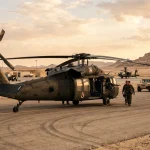
What helicopter was used in Vietnam? While the Vietnam War saw multiple rotorcraft platforms, the undisputed icon of the conflict was the Bell UH-1 Iroquois, universally known as the ‘Huey’. Over 7,000 UH-1 helicopters served in Southeast Asia, pioneering modern airmobile warfare as troop transports (‘Slicks’), medical evacuation lifelines (‘Dustoff’), and heavily armed gunships (‘Hogs’ and ‘Frogs’).
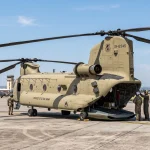
In addition to the Huey, the U.S. military deployed the Boeing CH-47 Chinook (heavy cargo and artillery transport), the Bell AH-1G Cobra (the world’s first dedicated attack helicopter), the Boeing Vertol CH-46 Sea Knight (USMC troop transport), the Hughes OH-6A Cayuse (‘Loach’ scout), and the Sikorsky CH-53 Sea Stallion (rescue and heavy lift).
The Bell UH-1 Iroquois, better known as the “Huey,” became an icon of the Vietnam War, symbolizing both the heroism and tragedy of conflict. Did you know that the Huey was one of the first helicopters designed for medical evacuation, saving countless lives? For enthusiasts and curious minds alike, understanding the Huey’s role offers insights into its engineering marvels and its profound impact on pilot careers and military strategy. Join us as we explore the fascinating story of this legendary helicopter, delving into its design, operation, and the human stories behind its flights. Whether you’re an aviation aficionado or simply intrigued by military history, the Huey’s legacy invites further exploration and appreciation.
What Makes the Huey Iconic in Vietnam Warfare?
The UH-1 Iroquois, popularly known as the “Huey,” is not just any helicopter; it is an enduring symbol of the Vietnam War, remembered for both its impressive technical capabilities and the emotional weight it carries for those who served. With its distinctive sound, often described as the “sound of our war,” the Huey became synonymous with the American military presence in Vietnam. This helicopter’s role was far-reaching, from troop transport and medevac operations to close air support, encapsulating the essence of the conflict in its rotor wash.
During the Vietnam War, the Huey revolutionized aerial mobility, allowing for rapid troop deployment in dense jungle environments that were often inaccessible by ground vehicles. Its versatility was unmatched; the helicopter could transport soldiers, evacuate the wounded, and even serve as a gunship when equipped with weapons. This capability was crucial during a time when the landscape made traditional warfare tactics particularly challenging. As many veterans vividly recount, seeing the Huey approach could signal both relief and joy for ground troops and impending danger for the enemy.
Moreover, the Huey’s cultural significance extends beyond its operational role. It has been featured prominently in films, music, and literature, cementing its status as an icon of the Vietnam War era. From movies like “Apocalypse Now” to songs that capture the experience of soldiers, the helicopter’s presence has become a poignant reminder of sacrifice and heroism. The stories of soldiers saved by Huey medevac missions or the bravery of pilots flying into hostile territory are woven into the fabric of American military history, ensuring that the legacy of the Huey will not be forgotten any time soon.
The Evolution of the UH-1 Huey: A Brief History

The history of the UH-1 Huey is a remarkable tale of innovation and adaptation that reflects the changing tides of warfare. Developed by Bell Helicopter, the UH-1 Iroquois was initially introduced in the late 1950s as a utility helicopter. However, its capabilities were swiftly recognized during the early stages of the Vietnam War. By 1963, the Huey had arrived in Southeast Asia, marking the beginning of its iconic role in one of the most tumultuous conflicts of the 20th century. The helicopter’s distinctive design, characterized by a large cabin and two-bladed rotor system, enabled it to perform a wide variety of tasks, paving the way for its integration into military strategy.
Throughout the Vietnam War, the Huey evolved in response to the unique challenges faced by American forces. Modifications allowed it to carry additional armaments and equipment, transforming it from a mere transport vehicle into a versatile asset capable of combat support. The helicopter frequently participated in “combat assaults” where troops would be rapidly deployed into hot zones. Its ability to quickly evacuate the wounded just minutes after a battle contributed to its reputation as a lifesaver in the field. The sound of its rotors became synonymous with both relief and fear, as it often marked the arrival of medical assistance or reinforcements.
As the conflict progressed, the Huey became a symbol of American military power and technological advancement. More than 5,000 units were deployed during the war, each playing a crucial role in various operations, from troop transport to search and rescue missions. This extensive use not only solidified the Huey’s operational importance but also deeply ingrained it into the collective memory of those who served and those who witnessed the war from afar.
Despite the war’s end, the legacy of the Huey continues to endure. The helicopter’s design and operational effectiveness laid the groundwork for future helicopter models, ensuring that its impact would be felt well beyond the Vietnam era. The ongoing restoration efforts and homage paid to the Huey in films, music, and popular culture reflect a deep-seated respect for its history, marking it as a significant chapter in aviation and military history that continues to inspire new generations.
Key Features and Specifications of the Huey Helicopter
The UH-1 Huey helicopter is not just a significant piece of military history; it is a marvel of engineering that changed the face of aviation during the Vietnam War. Known for its distinctive design and robust versatility, the Huey quickly became a critical asset for U.S. forces in a variety of operations. One of its key features is the turbine engine, which provides exceptional reliability and power, allowing the Huey to operate effectively in the demanding tropical climates of Southeast Asia.
Key Features
The Huey is characterized by several notable specifications that enable it to perform its multiple roles:
- Dimensions: The helicopter has a length of approximately 57 feet and a rotor diameter of about 48 feet, which gives it a significant lifting capacity.
- Capacity: It can transport up to 14 troops comfortably or carry various cargo configurations, including medical supplies and equipment. This adaptability was pivotal during the rapid troop deployments and supply missions in Vietnam.
- Performance: With a top speed of around 135 knots (about 155 mph) and a range of about 300 miles, the Huey is designed for quick and efficient transportation. Its service ceiling is approximately 10,500 feet, granting it the ability to operate in a variety of altitudes.
- Armament Options: Similar to its dual-role as a transport and combat helicopter, the Huey can be outfitted with a range of weapons, including M60 machine guns, rocket pods, and grenade launchers, enhancing its combat capability during missions.
Technical Specifications
Here’s a quick overview of the UH-1 Huey’s technical specifications:
| Specification | Value |
|---|---|
| Length | 57 ft 1 in (17.4 m) |
| Rotor Diameter | 48 ft (14.63 m) |
| Height | 13 ft 5 in (4.09 m) |
| Empty Weight | 7,000 lb (3,175 kg) |
| Max Takeoff Weight | 10,500 lb (4,763 kg) |
| Engine | Lycoming T53-L-13 1,100 shp |
| Max Speed | 135 knots (155 mph, 250 km/h) |
| Range | 300 miles (480 km) |
These specifications illustrate why the UH-1 remains a beloved and respected model among not only military personnel but also aviation enthusiasts. For aspiring pilots, the Huey’s straightforward design and operation make it an ideal platform for learning foundational flying skills. Its legacy endures through ongoing restoration projects and the admiration shown in various media representations, ensuring that the story of the Huey continues to inspire future generations.
Huey in Action: Notable Missions and Operations
The UH-1 Huey helicopter played a pivotal role in numerous missions and operations throughout the Vietnam War, earning its reputation as an invaluable asset for U.S. forces. Known for its versatility and reliability, the Huey was not just a helicopter; it was a lifeline for soldiers in combat zones. One of the most famous missions involving the Huey was Operation Flaming Dart, launched in 1965, which marked the beginning of sustained U.S. bombing campaigns against North Vietnam. During this operation, Hueys served as both transport and fire support, ferrying troops and supplies while providing cover with their mounted machine guns.
In addition to combat support, the Huey significantly contributed to medical evacuations, known as “Dustoff” missions. These operations involved the urgent transport of wounded soldiers from the battlefield to medical facilities. The rapid response and agility of the Huey allowed medics to reach injured personnel quickly, often under fire. One poignant example is the rescue of the wounded during the Tet Offensive in 1968, where Hueys operated under extremely dangerous conditions, showcasing the bravery of both the pilots and the medical teams aboard. These missions often meant life or death, as the Huey’s ability to navigate through treacherous terrain under fire was crucial in saving countless lives.
The Huey was also instrumental in troop transport and logistical support. Its large cabin could accommodate up to 14 soldiers, allowing for swift deployments of troops to various locations across the dense jungles of Vietnam. Missions such as Operation Cedar Falls exemplified the Huey’s effectiveness as it provided critical reinforcements to ground troops during large-scale operations. Furthermore, the helicopter’s ability to adapt quickly to different roles-including reconnaissance and attack-made it a staple of the U.S. military’s air strategy.
The legacy of the Huey extends beyond its technical capabilities; it embodies the heroism and sacrifices of all those involved in its missions. Each flight carried stories of courage, loss, and camaraderie, solidifying the Huey’s status as an icon of the Vietnam War. Today, it is remembered not only for its operational success but also for its profound impact on the lives of soldiers and the history of military aviation.
The Role of Huey in Troop Transport and Medical Evacuations
The Bell UH-1 Huey helicopter, a symbol of the Vietnam War, was more than just a mode of transport-it was a lifeline for troops in perilous situations. Renowned for its versatility, the Huey made significant contributions in both troop transport and medical evacuations, illustrating the dual nature of its operational role in combat.
One of the most defining aspects of the Huey was its capability to transport troops swiftly across challenging terrains. With a spacious cabin that could accommodate up to 14 soldiers, it allowed for rapid deployment to critical hotspots. During operations like Operation Cedar Falls, the Huey played an essential role in reinforcing ground troops, demonstrating its reliability as an aerial transport vehicle. The sound of its rotor blades became a reassuring presence for soldiers on the ground, knowing that help was on its way.
Medical Evacuations: “Dustoff” Missions
The UH-1 also gained fame through its participation in medical evacuation missions, known as “Dustoff.” These life-saving operations were often conducted under intense enemy fire, necessitating both skillful piloting and bravery. A remarkable instance of this occurred during the Tet Offensive in 1968, where Huey helicopters were instrumental in evacuating wounded soldiers from battle zones to field hospitals. The speed and agility of the Huey allowed medics to reach injured troops quickly, often snatching them from the jaws of death.
The impact of these missions was profound. Each successful evacuation not only saved lives but also fostered a deep sense of camaraderie among soldiers. Medics and pilots worked hand in hand, embodying the spirit of cooperation that transcended the chaos of war. Pilots faced the perilous task of navigating treacherous landscapes under fire, often relying on their training and instincts to guide them in critical moments. This intertwining of heroism and duty cemented the Huey’s legacy as an icon of the Vietnam War.
Conclusion
In essence, the Huey’s role in troop transport and medical evacuations underscored its importance as more than just a helicopter; it became a potent symbol of hope, resilience, and life-saving capability amidst the trials of warfare. Each mission carried its own story of courage, loss, and survival, ensuring that the memory of the Huey’s contributions would endure long after the last rotor had stopped turning.
Huey Variants: Different Models Used in Vietnam
The Bell UH-1 Huey helicopter is not only iconic for its role in the Vietnam War but also for the variety of models that served distinct functions within military operations. Each variant brought specialized capabilities to the battlefield, making the Huey a versatile tool for the U.S. Armed Forces.
One of the most notable versions is the UH-1D, which was primarily used for troop transport. With enhancements for increased cargo space, it could carry up to 14 combat-ready soldiers. This model saw extensive use during major operations, effectively shuttling troops into and out of combat zones. Another critical variant, the UH-1H, featured upgrades in engine power and avionics, enabling it to function efficiently in higher altitudes and more challenging environments. Its extended range made it ideal for long missions, such as support during the Tet Offensive.
The HH-1, or “Huey Cobra,” served a dual role as both a medevac and utility helicopter. Equipped with advanced medical equipment, it was crucial during “Dustoff” missions, where speed and agility in evacuating casualties were vital. The versatility of the Huey was also evident in the AH-1 Cobra, a dedicated attack helicopter that evolved from the UH-1 design but was stripped down for increased speed and combat effectiveness. While it may not be the same as the traditional Huey, it showcases the helicopter’s legacy and adaptability.
Additionally, specialized variants such as the UH-1N, equipped with twin engines, provided improved safety and reliability, especially in harsh conditions. These modifications across the Huey family of helicopters reflect the adaptive strategies of U.S. forces in Vietnam, where the terrain and enemy threats constantly changed. The evolution of the Huey models underlined the importance of flexibility and technological advancement in military aviation.
In summary, the array of Huey variants served critical roles during the Vietnam War, ranging from troop transport to medical evacuations to armed support. Each model, with its specific enhancements, contributed to the overall operational success and cemented the Huey’s status as an enduring symbol of military aviation resilience.
Understanding Huey Pilot Training and Career Paths

The journey to becoming a Huey pilot is as exhilarating and complex as flying the iconic helicopter itself. Those interested in a career as a military helicopter pilot start with a demanding program that sharpens not just flying skills, but also critical decision-making and teamwork abilities essential for operating in high-pressure environments like those experienced during the Vietnam War.
Typically, the path begins at a military academy or through a service branch’s officer training program. Candidates must meet rigorous physical and educational standards, followed by commissioning as an officer. Once in the aviation pipeline, future pilots undergo basic flight training, which lays the groundwork for more specialized instruction focused on rotary-wing aircraft such as the UH-1 Huey. This stage includes simulator training and hands-on flight experiences, where cadets learn to master the nuances of helicopter controls, navigation, and emergency procedures.
Advanced Huey Training
After initial flight training, aspiring Huey pilots enter advanced helicopter training that emphasizes the specific systems and operations unique to the Huey, along with its diverse roles in troop transport, medevac, and logistics. Instructors often incorporate scenarios that replicate the conditions pilots faced in Vietnam, providing invaluable experience that prepares them for the realities of combat flying. These training exercises are not just technical; they demand acute awareness of the helicopter’s capabilities and limitations, ensuring pilots can adapt to ever-changing battlefield conditions.
For pilots pursuing a long-term career, additional opportunities for advancement can arise within specialized units, including rescue missions and attack formations. Continuous training and education, such as attending flight schools and participating in joint exercises, enhance their skills and knowledge. Successful pilots often find themselves in leadership roles, mentoring the next generation of aviators and sharing their experiences, thus perpetuating a legacy of excellence and dedication.
Career Paths Beyond Military Service
Pilots who transition from military to civilian life often find their skills highly sought after. Many pursue careers in commercial aviation, medical transport, or firefighting, where their helicopter expertise continues to play a crucial role in various life-saving operations. Some even engage in aviation education, training new pilots, or participating in restoration projects for classic helicopters like the Huey, preserving its storied history and continuing its legacy in the aviation world.
In summary, becoming a Huey pilot involves a blend of rigorous training, real-world practice, and continual learning. Whether in the military or after transitioning to civilian roles, their experience flying the Huey not only highlights their technical skills but also showcases their resilience, leadership, and dedication to the craft of aviation.
The Huey’s Cultural Impact: Movies and Media Representations
The Bell UH-1 “Huey” has etched itself into the annals of cinematic and popular culture, becoming an enduring symbol of the Vietnam War. Its iconic “whump whump whump” sound and distinctive silhouette have not only defined a pivotal era in military aviation but have also influenced how society perceives the complexities of warfare. Movies like “Apocalypse Now” and “Full Metal Jacket” utilize the Huey not just as a mode of transport but as a vessel embodying the chaos and emotional weight of combat. These films often feature the helicopter in dramatic scenes that underline the tension and stakes of war, capturing both the adrenaline of air support and the tragic toll of conflict.
Memorable Film Appearances
The portrayals of the Huey in film provide a visceral connection to the war experience. In “Apocalypse Now,” the helicopter’s haunting presence, coupled with the iconic use of Wagner’s “Ride of the Valkyries,” creates a powerful visual and auditory experience that conveys the surreal nature of warfare. This scene has been widely referenced and parodied, further cementing the Huey’s place in pop culture. Similarly, in “Platoon,” the helicopter’s involvement in troop movements and medevacs showcases its versatility and critical role in saving lives, reinforcing the duality of its use in combat.
Television and Documentaries
Beyond movies, the Huey has been prominently featured in documentaries and television series that aim to capture the realities of the Vietnam War. Programs like “The Vietnam War” by Ken Burns and Lynn Novick utilize the helicopter as a key element in illustrating the conflict’s broader narratives-highlighting everything from troop deployments to evacuation efforts. These representations serve to educate viewers on the technological advancements in aviation and their impact on military strategy, while also honoring the lives affected during these operations.
The Huey’s Legacy in Popular Media
The cultural impact of the Huey extends into video games, literature, and music, where it often symbolizes the tumult of the Vietnam War. Artists and game developers draw on its legacy to create content that resonates with both nostalgia and critical reflections on war. This multifaceted representation has allowed the Huey to transition from a purely military machine to a poignant symbol of resilience, loss, and the human spirit’s endurance amidst chaos.
In honoring the lives lost and the sacrifices made, these cultural representations continue to remind us of the complexities of war. The Huey’s story is not just one of engineering triumph; it’s a narrative woven into the fabric of human experience, serving as a reminder of both heroism and tragedy in a turbulent era.
Surviving Hueys: Restoration Projects and Enthusiast Communities
As the iconic Bell UH-1 “Huey” helicopter continues to captivate aviation enthusiasts and history buffs alike, numerous restoration projects and passionate communities work diligently to preserve its legacy. Many of these surviving helicopters were retired from military service and now live on through dedicated individuals and groups that recognize their historical significance. These enthusiasts engage in restoration projects that breathe new life into these storied flying machines, ensuring that future generations can appreciate the Huey and its remarkable contributions to both military and civilian aviation.
Restoration Projects
Restoration efforts typically begin with locating a Huey that may have been neglected or decommissioned. Restoration teams often include a mix of veterans, hobbyists, and aviation specialists who meticulously restore these aircraft to their former glory. This process can be both time-consuming and costly, often requiring thousands of hours and substantial financial investment to source original parts, repaint the exterior, and ensure the helicopter is airworthy again. Enthusiasts often share their projects on social media or dedicated forums, offering step-by-step guidance, tips, and resources to those interested in taking on similar endeavors.
Many restored Hueys find their way into museums or participate in airshows, serving as flying testaments to the past. Organizations such as the Vietnam Helicopter Pilots Association and the American Huey 369 provide platforms for these helicopters to be showcased, while also honoring the memories of those who served. Engaging with airshows allows enthusiasts not only to display their craftsmanship but also to educate the public about the UH-1’s historical significance and operational history.
Community Engagement and Events
Enthusiast communities surrounding Huey helicopters thrive on shared passion and camaraderie. Local clubs and national organizations bring together veterans and aficionados, creating opportunities for networking and collaboration. Events often include fly-ins, historical talks, and even ride-along experiences that captivate both young and old, allowing participants to experience the thrill of flying in a Huey firsthand.
Additionally, many clubs maintain social media pages where members can share stories, photographs, and restoration updates. These platforms facilitate discussions on technical insights related to maintaining and operating Hueys, making it easier for newcomers to dive into the world of aviation. The sense of community helps keep the spirit of the Huey alive, fostering support for those looking to preserve these beautiful machines and honor the past.
Through these restoration projects and enthusiastic communities, the legacy of the Huey helicopter not only survives but flourishes. By honoring the history of the Vietnam War and the incredible feats performed by this helicopter, these efforts light a path for future generations to connect with their heritage, keeping alive the memory of those who bravely served.
Comparing the Huey to Other Vietnam Era Helicopters
The Bell UH-1 Iroquois, better known as the “Huey,” stands out from its contemporaries for its unique blend of versatility, capability, and iconic status during the Vietnam War. While other helicopters, such as the Sikorsky CH-34 Choctaw and the Boeing CH-47 Chinook, also played critical roles, the Huey’s impact on military operations, culture, and innovation is unparalleled.
First, let’s highlight the differences in roles and capabilities. The Huey was designed primarily as a utility helicopter, capable of troop transport, medical evacuations, and logistical support. It featured a single turret that could be outfitted for a variety of missions, making it incredibly adaptable. In contrast, the CH-34, originally used during the Korean War, was primarily a transport helicopter and lacked the extensive multi-role capabilities of the Huey. Meanwhile, the Chinook, with its tandem rotor design, was designed for heavy lifting and troop transport but did not focus on the same rapid deployment and versatility that characterized the Huey’s operations.
Key Specifications Comparison
| Helicopter Model | Primary Role | Max Speed (mph) | Crew Capacity |
|---|---|---|---|
| Bell UH-1 Iroquois | Utility, Medical Evacuation | 136 | 5 (with capacity for 8-10 troops) |
| Sikorsky CH-34 Choctaw | Troop Transport | 109 | 4 (with capacity for 10 troops) |
| Boeing CH-47 Chinook | Heavy Lift, Troop Transport | 170 | 3 (with capacity for 30-55 troops) |
Another significant aspect is the Huey’s role in shaping tactics during the war. The helicopter’s ability to quickly insert and extract troops changed how battles were fought. It provided unprecedented maneuverability in terrain where ground vehicles struggled, allowing for rapid assaults and support within the dense jungles of Vietnam. The visual and emotional impact of the Huey landing amidst combat is forever etched in the memories of veterans and civilians alike, contributing to its legendary status.
Moreover, while other helicopters like the CH-47 were essential for heavy transport and logistics, their engagement was often less dynamic compared to the frenetic activity around the Huey. The film and music of the era emphasized the Huey’s presence, embedding it in the cultural memory of the Vietnam War.
Ultimately, the Bell UH-1 Huey remains a symbol of resilience and adaptability that set it apart from its peers. Its storied legacy, shaped by its multifunctionality and iconic appearances in media, ensures its place not just in military history but in the hearts of those who flew and relied on it. While other helicopters served valiantly, none encapsulated the spirit of the Vietnam War quite like the Huey, making it a subject of admiration and study for generations.
Memorable Stories: Heroism and Loss in the Huey’s Legacy
The Bell UH-1 Iroquois, affectionately known as the “Huey,” is more than just a helicopter; it symbolizes the heroism and sacrifice that defined the Vietnam War. One of the most remarkable stories associated with the Huey involves the daring rescue missions performed by its pilots and crews, often under intense enemy fire. For example, during the famous operation at Landing Zone X-Ray in the Ia Drang Valley in 1965, Huey helicopters played a crucial role in transporting troops and evacuating the wounded. Helicopter pilot Major Bruce Crandall made multiple trips into the combat zone, delivering supplies and extracting critically injured soldiers. His bravery not only led to him receiving the Medal of Honor decades later but also highlighted how the Huey became a lifeline for American troops.
Amidst tales of heroism, there are also somber reminders of the risks involved. The loss of the helicopter and its crew is a devastating reality of war. One tragic incident involved the downing of a Huey during a medical evacuation mission near Khe Sanh in 1968. The helicopter was struck by enemy fire, resulting in the death of several crew members. These brave souls, honored for their commitment, serve as stark reminders of the sacrifices made during the war. Their stories deserve recognition and respect as they reflect the higher cost of bravery and the relentless reality of combat.
Many Vietnam veterans recount poignant memories of those who served in the Huey, where the whirring sound of rotor blades provided a sense of hope and urgency. Survivors of combat often describe the relief felt upon hearing and seeing a Huey approaching, knowing that medical help was on the way. The Huey represented salvation, a machine that soared above the chaos, braving the dangers of an unseen enemy to save lives. These personal narratives and collective memories foster a deep appreciation for not just the helicopter itself, but for the human spirit behind those missions.
As enthusiasts and historians continue to share these stories, the legacy of the Huey as a definitive symbol of courage and loss in the Vietnam War remains vital. Each tale of heroism or tragedy enriches the understanding of this remarkable aircraft’s role in history. Organizations and restoration projects dedicated to keeping Hueys operational ensure that future generations will not only learn about its history but also remember the lives changed and lost through its legendary flights.
The Future of Huey Helicopters: What’s Next for This Icon?
The legacy of the Huey helicopter, a symbol of bravery during the Vietnam War, endures and evolves in fascinating ways. While the original models have largely been retired from military service, their influence continues to inspire new generations of aircraft design and innovation. Today, many restored Hueys operate in civilian roles-ranging from search and rescue missions to aerial tours-giving enthusiasts and veterans alike a chance to celebrate their storied past while looking towards the future.
Recent interest in aviation preservation has led to numerous restoration projects aimed at keeping the Huey relevant. Various organizations and clubs across the United States focus on refurbishing and maintaining these aircraft, ensuring that the history and honor they represent are not lost. This collective effort has fostered communities of enthusiasts who share a passion for aviation history and are dedicated to preserving the stories of those who flew in the Huey. Such projects not only revive the helicopters but also serve as educational platforms where aspiring pilots and technicians can gain hands-on experience and learn about the rich legacy of rotorcraft aviation.
In addition to the preservation efforts, the Huey’s design principles continue to inform modern helicopter manufacturing. Engineers examine the Huey’s robust utility and versatility when designing new helicopters, emphasizing the importance of adaptability in military and rescue operations. Emerging technologies, such as advancements in avionics and materials, are being integrated into next-generation helicopters, while still drawing inspiration from reliable models like the Huey.
Moreover, the Huey remains a popular subject in popular culture-from documentaries to movies and video games-continuing to fuel public interest and admiration. This ongoing representation keeps the memory and heroism associated with Huey’s missions alive, encouraging new generations to explore careers in aviation. Whether as a nostalgic nod to history or as a moment of reflection on the human stories interwoven with its legacy, the future of Huey helicopters keeps the spirit of these iconic machines aloft.
In exploring what lies ahead for the Huey, it’s essential for enthusiasts and historians alike to recognize both the achievements and the sacrifices made in its name. This balance will ensure that the stories of heroism, innovation, and legacy continue to resonate long into future generations, both in the skies and on the ground.
Frequently asked questions
Q: What was the primary role of the Huey helicopter in the Vietnam War?
A: The Huey helicopter primarily served as a troop transport and medical evacuation aircraft during the Vietnam War. Its versatility allowed it to perform various missions, including air assault, reconnaissance, and logistical support, becoming a crucial asset for ground forces.
Q: How did the design of the Huey contribute to its effectiveness in Vietnam?
A: The design of the Huey featured a robust airframe, twin turbines, and a spacious cabin, which provided easy access for troop loading and unloading. These characteristics, combined with its ability to operate in challenging weather conditions, made it highly effective in combat scenarios.
Q: Why is the Huey helicopter considered iconic?
A: The Huey is considered iconic largely due to its widespread use and significant impact during the Vietnam War. It became a symbol of U.S. military operations, represented rapid response capabilities, and is remembered in numerous films and media representations, solidifying its place in aviation history.
Q: When was the Huey helicopter first introduced, and how did it evolve over time?
A: The Huey helicopter, officially known as the UH-1, was introduced in 1956. It underwent multiple upgrades throughout its service, evolving into various models to meet different operational needs, including enhancements in speed, armor, and avionics.
Q: What were some notable missions involving the Huey helicopter during the Vietnam War?
A: The Huey participated in several notable missions, including the Battle of Ia Drang and the Tet Offensive. These operations highlighted its roles in troop insertion, rapid medical evacuations, and logistics, showcasing its versatility in combat.
Q: How did the Huey’s sound impact its reputation among soldiers?
A: The distinct “whup-whup” sound of the Huey’s rotors was often a comfort to soldiers on the ground, signifying the arrival of support and medical aid. However, this sound also created fear among enemies, as it meant approaching U.S. forces.
Q: What were some challenges faced by Huey pilots in Vietnam?
A: Huey pilots faced numerous challenges, such as navigating difficult terrain, managing high-stress combat environments, and dealing with mechanical failures. The high casualty rates and unpredictable conditions made flying the Huey perilous, requiring exceptional skill and bravery.
Q: What legacy has the Huey helicopter left in military aviation?
A: The legacy of the Huey in military aviation includes influencing helicopter design, tactics, and operations. Its performance set standards for future military helicopters, and it remains a symbol of air mobility and versatility, often referenced in aviation and military discussions.
Wrapping Up
The Bell UH-1 Iroquois, famously known as the “Huey,” not only played a pivotal role in the Vietnam War but also became a symbol of the era. Its versatility and reliability in combat and rescue missions changed military aviation forever. If you’re eager to explore more about the evolution of helicopters, check out our piece on the different types of helicopters here or dive into the mechanics of how helicopters fly here.
Don’t miss out on fascinating stories and insights-subscribe to our newsletter to stay updated on the latest in aviation history! We invite you to share your thoughts or questions in the comments below. Every story has a flight path, and your engagement helps us chart the next course in exploring the incredible world of helicopters. Your journey doesn’t have to end here; keep flying with us!
What Helicopter Was Used in Vietnam: The Huey and the Rotorcraft Fleet of the Vietnam War
The historical inquiry into what helicopter was used in vietnam defines an entire era of military aviation. Known universally as the “Helicopter War,” the Vietnam conflict (1955–1975) was the proving ground where the United States Army transitioned from ground-bound infantry into vertical airmobility, utilizing rotary-wing aircraft to bypass jungle swamps, deploy artillery to remote hilltops, and evacuate wounded soldiers within the golden hour.
Below is the complete historical fleet matrix detailing the major helicopter types deployed during the Vietnam War:
| Helicopter Model | Popular Call Sign | Primary Tactical Role | Powerplant & Capacity | Typical Armament Loadout |
|---|---|---|---|---|
| Bell UH-1D/H Iroquois | ‘Huey’ / ‘Slick’ / ‘Dustoff’ | Air assault troop insertion & medical evacuation | Lycoming T53 turboshaft; 11–14 combat troops | Dual door-mounted M60 7.62mm machine guns |
| Bell AH-1G Cobra | ‘Snake’ / ‘Cobra’ | Dedicated close air support & convoy escort (1967+) | Lycoming T53-L-13; 2 crew tandem cockpit | Chin turret with 7.62mm Minigun + 40mm grenade launcher; 70mm rocket pods |
| Boeing CH-47A/B/C Chinook | ‘Hook’ / ‘Chinook’ | Heavy artillery transport & downed aircraft recovery | Dual Lycoming T55 turboshafts; 33–55 troops | Ramp-mounted M60 machine guns; 10,000–12,000 lb sling load |
| Hughes OH-6A Cayuse | ‘Loach’ | Low-level scout & recon (‘Pink Teams’ with Cobras) | Allison T63-A-5A turboshaft; 2 crew | M134 six-barrel Minigun, M60 door gun |
| Boeing Vertol CH-46 Sea Knight | ‘Phrog’ | US Marine Corps medium tactical assault transport | Dual GE T58 turboshafts; 25 combat-loaded Marines | Dual .50 caliber Browning or M60 machine guns |
| Sikorsky HH-53 Super Jolly | ‘Super Jolly Green Giant’ | Combat Search and Rescue (CSAR) deep in North Vietnam | Dual GE T64 turboshafts; aerial refueling probe | Three 7.62mm Miniguns / .50 caliber guns; armor plating |
The UH-1 Huey’s distinctive rhythmic “whump-whump” rotor sound was produced by its massive two-bladed teetering rotor system. More than 3,300 Hueys were lost in combat during the war, yet they evacuated over 900,000 wounded personnel, cutting mortality rates to the lowest in military history up to that point.
For more deep-dive analyses of historic and modern military rotorcraft, explore our Military Helicopters section, learn about combat flying tactics in Helicopter Flying Operations, or inspect airframe lineages in Helicopter Types.
Get our latest guides, news, and insights highlighted in your Google Search & AI Overviews.