Did you know that helicopters are one of the most versatile aircraft, capable of landing in tight spaces and hovering in place? Understanding what it takes for these incredible machines to fly is not only fascinating but also essential for anyone interested in aviation. In “What Does a Helicopter Need to Fly? Essential Components Guide,” we’ll explore the critical components that enable helicopters to take to the skies, from their powerful rotors to their intricate control systems. Whether you’re a budding pilot, an aviation enthusiast, or just curious about how these flying wonders work, knowing these key elements will deepen your appreciation of helicopter technology. Join us as we unravel the mysteries of flight and inspire your journey into the world of rotorcraft!
What Makes a Helicopter Fly? Key Principles Explained
The fascinating physics of helicopter flight hinges on a few fundamental principles of aerodynamics and engineering. At its core, a helicopter flies by harnessing rotor blades to generate lift, much like how wings work on a fixed-wing aircraft, but with crucial differences. The rotors spin rapidly, creating a difference in air pressure above and below the blades, which in turn lifts the helicopter off the ground. This phenomenon is described by Bernoulli’s principle, which explains how faster-moving air results in lower pressure.
Helicopters are unique because their rotors can adjust their pitch, allowing for vertical takeoff and landing (VTOL). This capability transforms the way we think about flight, enabling helicopters to access hard-to-reach areas where traditional aircraft cannot. Furthermore, the ability to hover means that helicopters can survey terrain, conduct search-and-rescue operations, and perform emergency medical services, showcasing their versatility in various environments.
To maintain stable flight, helicopters must manage four primary forces: lift, weight, thrust, and drag. Pilots must skillfully manipulate these forces through the cyclic and collective pitch controls to achieve the desired flight maneuver. For example, when a pilot pushes the cyclic controller forward, the rotor blades tilt forward, shifting the center of lift, which causes the helicopter to move in that direction. The collective, on the other hand, adjusts the overall lift by changing the pitch angle of all the rotor blades simultaneously, allowing the helicopter to ascend or descend.
Understanding these principles is essential for aspiring pilots and aviation enthusiasts. Familiarity with the mechanics of flight can deepen appreciation for helicopter operations and the intricate technology involved, laying a foundation for a career in aviation or simply enhancing a hobby. Whether you’re watching a rescue operation unfold or dreaming of becoming a pilot, the underlying science of how a helicopter flies is as captivating as the aircraft itself.
Essential Helicopter Components: The Basics
The intricate design of a helicopter includes several essential components that work together to ensure safe and effective flight. Understanding these parts is crucial for anyone interested in aviation, whether you aspire to pilot a helicopter or are simply fascinated by how they operate. Here’s a closer look at the key elements that make up a helicopter.
Key Components of a Helicopter
The primary components of a helicopter can be categorized into several systems: the rotor system, the engine, the fuselage, flight control systems, and avionics. Each plays a vital role in the overall functionality and safety of the helicopter.
- Rotor System: This includes the main rotor blades and tail rotor, which provide lift and control. The blades are designed to rotate at high speeds, generating lift through their shape and angle (pitch), allowing for vertical takeoff and landing.
- Engine: The engine is the powerhouse of the helicopter, typically a gas turbine or piston engine. It converts fuel into mechanical energy, driving the rotor system and enabling flight.
- Fuselage: The fuselage is the main body of the helicopter. It houses the cockpit, passenger compartment, and cargo area, providing structural integrity and protection for aboard personnel.
- Flight Control Systems: These include the cyclic and collective controls. The cyclic controls the tilt of the rotor blades for directional flight, while the collective adjusts the pitch of all blades to control altitude.
- Avionics: Modern helicopters are equipped with advanced avionics that provide critical flight data, navigation, and communication systems which enhance situational awareness and safety.
Understanding Functionality
Each component works in tandem to achieve smooth and controlled flight. For example, the interaction between the rotor system and the engine is paramount; if either fails, the results can be catastrophic. Regular inspections and maintenance of these components are essential to ensure they are functioning correctly.
For aspiring pilots, familiarity with these components is critical not only for operational success but also for enhanced safety awareness. By understanding what each part does, future aviators can better anticipate how changes in one system affect the entire helicopter. Whether you’re learning to fly or simply intrigued by how these amazing machines work, recognizing the complexity and interdependence of helicopter components is a vital first step.
Understanding the Rotor System: Types and Functions
The rotor system is a helicopter’s lifeblood, playing a crucial role that distinguishes it from fixed-wing aircraft. At the heart of the rotor system are the main rotor blades and the tail rotor, which together generate lift and provide control. While airplanes rely on wings that remain stationary relative to the body, helicopter blades rotate around a central hub, creating movement and enabling vertical takeoff and landing. This unique design allows helicopters to hover in place and navigate tight spaces-a capability that is invaluable in many civil and military operations.
Main Rotor Types
Helicopters utilize various rotor configurations, each designed to optimize performance for specific flight conditions. The most common types include:
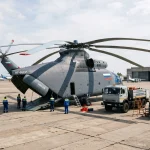
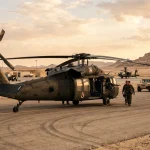
- Single Rotor: Found on many conventional helicopters, this system features one main rotor and a tail rotor. The tail rotor counteracts the torque produced by the main rotor, providing stability and control.
- Coaxial Rotors: Two rotors are mounted one above the other, rotating in opposite directions. This design eliminates the need for a tail rotor and offers enhanced lift and maneuverability.
- Intermeshing Rotors: Similar to coaxial rotors, two rotors are positioned close to each other but at different angles, allowing them to intermesh without colliding. This configuration improves efficiency and is commonly found in military helicopters.
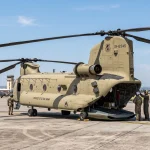
- Tandem Rotors: Two large rotors are placed fore and aft, providing balanced lift and often found in heavy-lift helicopters like the CH-47 Chinook. This design is effective for lifting large payloads.
Functions of the Rotor System
The rotor system is responsible for several vital functions that enable the helicopter to perform its dynamic maneuvers:
- Lift Generation: By adjusting the angle of attack (pitch) of the rotor blades, helicopters can climb or descend. Increased pitch generates more lift, while decreased pitch allows for descent.
- Directional Control: The cyclic control alters the pitch of the rotor blades as they rotate, enabling the pilot to control the helicopter’s tilt and direction. This capability allows for agile flying and precise hover maneuvers.
- Stability: The tail rotor plays a crucial role in maintaining stability by counteracting the torque of the main rotor. This system allows for efficient turns, maintaining directional control without a dramatic shift in altitude.
Understanding the complexity and design of the rotor system is crucial for aspiring pilots and aviation enthusiasts alike. Each rotor type and configuration presents unique characteristics and operational advantages, paving the way for innovations in helicopter design and capabilities. As technology advances, we can expect to see even more exciting developments in rotor systems, enhancing flight safety and performance.
The Role of the Engine: Powering Helicopter Flight
The engine in a helicopter is the powerhouse that transforms fuel into mechanical energy, enabling the machine to lift off the ground and navigate through the skies. Typically, helicopters are equipped with either piston engines or turbine engines. Piston engines, which are similar to car engines, are often found in smaller helicopters, providing a reliable and cost-effective power source for general aviation. Turbine engines, on the other hand, offer higher power-to-weight ratios, making them the preferred choice for larger helicopters and those used in commercial and military operations.
Turbine Engines vs. Piston Engines
When comparing turbine and piston engines, a few key differences stand out:
- Turbine Engines: These engines are known for their lightweight and compact design, which allows helicopters to carry more payload or fly faster. They can efficiently produce a large amount of thrust, making them ideal for heavy-lift operations.
- Piston Engines: While generally heavier than turbine engines, they provide sufficient power for lighter helicopters and are often more economical to operate. They are favored for training and recreational flying due to their lower initial purchase and maintenance costs.
Understanding the mechanics of these engines is crucial for aspiring helicopter pilots and aviation enthusiasts. Both types have unique performances and operational costs that can significantly affect the choice of helicopter for specific missions, whether it’s search-and-rescue, charter services, or aerial photography.
Fuel Efficiency and Performance
The engine also plays a crucial role in fuel efficiency, which impacts operational costs and flight range. Turbine engines are generally more fuel-efficient than piston engines at higher altitudes and speeds, a factor that becomes increasingly important in commercial applications where each pound of fuel can affect profitability. Efficient fuel management systems are integrated into modern helicopter engines to optimize consumption and enhance performance.
In conclusion, the engine is not just a component but the heart of a helicopter that demands careful consideration based on the intended use. Innovations continue to evolve in engine design, aiming for greater efficiency and lower emissions, which will pave the way for future advancements in helicopter capabilities. Understanding these dynamics is essential for anyone interested in pursuing a career in aviation or simply wanting to appreciate the complexities behind rotorcraft flight.
Flight Control Systems: How Pilots Steer Helicopters
Helicopters are marvels of engineering, capable of flying vertically and navigating through complex environments. At the core of this intricate machinery are the flight control systems that enable pilots to steer and maneuver these aircraft with remarkable precision. Unlike fixed-wing planes, helicopters rely on a unique combination of controls to maintain stability and direction. Understanding how these systems function is essential for anyone interested in aviation, whether you’re aspiring to fly one day or simply curious about how these machines operate.
The primary controls a pilot uses in a helicopter include the cyclic, collective, and anti-torque pedals. Each serves a distinct purpose that contributes to the overall maneuverability of the helicopter:
- Cyclic Control: This stick-like control allows pilots to change the pitch of the rotor blades as they rotate, enabling lateral or forward movement. By tilting the cyclic forward, for instance, a pilot can cause the helicopter to fly forward, while tilting it sideways moves the helicopter laterally.
- Collective Control: Located to the left of the pilot, this control adjusts the pitch of all rotor blades simultaneously. When a pilot pulls up on the collective, the pitch increases, leading to increased lift and elevation. Conversely, pushing it down reduces the blades’ pitch, allowing the helicopter to descend.
- Anti-Torque Pedals: Found at the pilot’s feet, these pedals control the tail rotor’s thrust. As helicopters tend to spin in the opposite direction of the main rotor’s rotation due to torque, pilots adjust the pedals to maintain directional control. Pressing the right pedal increases right yaw, while the left pedal does the opposite.
In addition to these controls, modern helicopters are often equipped with sophisticated avionics systems that enhance pilot capabilities. These systems can include GPS for navigation, altitude measures, and even autopilot functions that assist in complex flight operations. The integration of such technology not only boosts safety but also allows pilots to focus more on strategic flying and less on managing individual control inputs.
Pilots undergo rigorous training to master these controls and learn to respond swiftly to changing conditions. Situational awareness is crucial, especially in challenging scenarios such as urban environments or adverse weather. Each maneuver requires precision and practice, highlighting the complexities of operating a helicopter. As pilots gain experience, they develop an intuitive understanding of how pitch, power, and rotor dynamics interact, allowing them to perform spectacular flights, from emergency rescues to scenic tours.
Understanding the intricacies of flight control systems not only demystifies how helicopters work but also enhances appreciation for the skill of those who pilot them. Whether you’re considering becoming a pilot or are simply fascinated by aviation, knowing how these systems operate provides deeper insights into the fascinating world of rotorcraft flight.
Importance of Avionics: Technology in Modern Helicopters
Modern helicopters are equipped with cutting-edge avionics that significantly enhance flight safety, navigation, and overall operational efficiency. These systems, often likened to the brain of the helicopter, integrate various technologies that support pilots in managing the complexities of flight. Notably, advanced avionics can include GPS navigation, terrain awareness, weather radar, and autopilot features, transforming how helicopters are flown today.
One of the primary functions of avionics is to improve situational awareness. For instance, GPS systems provide real-time positioning data, enabling pilots to chart their course more effectively and avoid obstacles, especially during low-altitude flights over urban areas or rugged terrains. Weather radar systems further support this by allowing pilots to detect and navigate around adverse weather conditions, which is crucial for safety in challenging environments. The combination of these technologies means that pilots can make informed decisions quickly, enhancing their ability to respond to dynamic situations.
Another essential aspect of modern avionics is autopilot functionality. While the notion of autopilot can sound like a convenience, it plays a critical role in managing pilot workload during long flights or when flying in complex airspace. For example, autopilot systems can take over specific flight control tasks, allowing pilots to focus on navigation, communications, and monitoring systems. This not only increases operational efficiency but also reduces fatigue, making flights safer overall.
Moreover, avionics systems are increasingly becoming more integrated, allowing data to be shared between different components. This interconnectedness helps in real-time diagnostics and monitoring of helicopter systems. Should a malfunction occur, the avionics can alert the pilots immediately, providing them with valuable information to troubleshoot the issue before it escalates. As helicopters continue to evolve, the role of avionics will only become more critical, paving the way for new innovations and safety measures that will shape the future of rotorcraft aviation.
Fuel Systems: Keeping Helicopters in the Air
Fuel systems in helicopters are crucial for ensuring that these versatile machines can soar safely and efficiently through the skies. Without a reliable fuel system, a helicopter’s power and performance would falter, potentially leading to critical situations mid-flight. Understanding how these systems work not only provides insight into helicopter operation but also showcases the engineering that keeps them airborne.
Modern helicopters typically employ fuel tanks located in the airframe, engineered to maximize safety and efficiency. These tanks are designed to minimize the risk of fuel leakage and are often equipped with baffles that help reduce fuel sloshing, which can affect the helicopter’s balance during maneuvers. Helicopters may utilize different fuels, including aviation gasoline (AvGas) or jet fuel (Jet A), depending on the engine design and operational requirements. The choice of fuel can significantly impact performance, as each type has its unique combustion properties and energy content.
Once the fuel is stored in the tanks, it must be efficiently delivered to the engine. This is handled by a fuel pump system, which ensures a steady flow of fuel, adapting to the demands of the engine based on throttle input and operational conditions. In many helicopters, this system includes features like fuel filters to remove contaminants and ensure clean fuel is always supplied. Additionally, the fuel system is often equipped with various sensors that monitor fuel levels, pressure, and flow rate, providing pilots with vital information to manage fuel consumption effectively.
Safety and Reliability
Safety is paramount in helicopter operations, and the fuel system plays a pivotal role in that regard. Engineers incorporate fail-safe mechanisms to prevent fuel starvation, which could lead to engine failure. For example, many systems are designed to allow fuel to be drawn from multiple tank sections, ensuring that even if one tank runs low, fuel can still be sourced from others. This redundancy is crucial during critical phases of flight, such as takeoff and landing.
For aspiring pilots or those interested in aviation careers, understanding fuel systems is essential. During flight training, pilots learn not only how to operate their aircraft but also how to perform pre-flight inspections, which include checking fuel levels and the condition of fuel lines. Knowledge of these systems can also guide maintenance decisions, helping to identify when a fuel component may need attention.
In summary, a helicopter’s fuel system is a sophisticated arrangement that ensures reliable power, contributes to flight safety, and impacts operational efficiency. By recognizing the importance of the fuel system, helicopter enthusiasts can appreciate the engineering marvel that allows these incredible machines to take flight time and time again.
Safety Features: Essential Systems for Safe Flight
In the complex world of aviation, safety is non-negotiable, especially when it comes to helicopter flight. These incredible machines, capable of vertical takeoff and landing, rely on a variety of safety features to ensure the well-being of both the pilot and passengers. Critical systems are integrated into helicopter designs to mitigate risks, providing redundancy and reliability in the face of potential failures.
One of the most significant safety mechanisms is the redundant systems approach. Helicopters are equipped with multiple control systems for vital functions such as the rotor blades and engine operations. For instance, many helicopters feature dual hydraulic systems that control flight surfaces; if one system fails, the other can take over, allowing the pilot to maintain control. This redundancy is especially crucial during emergency situations, such as engine failure or a malfunction in flight controls.
Another essential component of helicopter safety is the automatic flight control systems (AFCS). These advanced systems assist pilots in managing the helicopter’s altitude, speed, and navigation. By automating certain functions, the AFCS reduces pilot workload and the chance of human error. Many modern helicopters are also equipped with terrain awareness and warning systems (TAWS), which provide alerts about potential ground collisions, further enhancing safety during low-altitude flights.
Helicopters also prioritize emergency preparedness through survival equipment. This includes life vests for water landings, emergency flotation devices, and first aid kits, all designed to prepare occupants for the unexpected. Pilots undergo rigorous training in emergency procedures, familiarizing themselves with how to respond to various in-flight emergencies. This combination of well-thought-out safety systems and comprehensive pilot training creates a robust safety net.
Understanding these safety features is not only crucial for aspiring pilots but also for anyone intrigued by the workings of helicopters. Whether you are a future pilot or a casual enthusiast, recognizing the engineering marvels built into these flying machines can deepen your appreciation for their capabilities while honoring those who have paved the way in aviation safety. By maintaining high standards and an emphasis on safety, the helicopter industry continues to evolve, ensuring safer skies for everyone.
Maintenance Needs: Keeping Helicopters Airworthy
Maintaining helicopters is not just about routine checks; it is a blend of meticulous attention to detail and a solid understanding of the aircraft’s intricate systems. Regular maintenance ensures that these complex machines remain airworthy and can perform their critical functions safely. The stakes are high, as improper maintenance can lead to mechanical failures, jeopardizing the lives of pilots and passengers alike.
To keep helicopters flying safely, several key maintenance practices are essential. Here’s a look at some vital aspects:
Routine Inspections
- Daily Checks: Before and after each flight, pilots perform a pre-flight inspection. This includes checking fuel levels, examining rotors, and ensuring all controls function properly.
- Scheduled Maintenance: Helicopters follow strict maintenance schedules specified by manufacturers. These can involve detailed inspections every few hundred flight hours, focusing on critical components like the rotor system, engine, and avionics.
Component Replacement
Helicopters have various components that require periodic replacement to prevent failures. This includes:
- Rotor Blades: Depending on usage and wear, rotor blades must be inspected and potentially replaced to maintain optimal performance.
- Engine Overhauls: Engines typically undergo complete overhauls after a certain set number of flight hours to ensure they continue to operate reliably.
Record Keeping
Accurate and detailed record-keeping is crucial in helicopter maintenance. It helps in tracking inspections, repairs, and replacements, which ensures compliance with regulatory standards. This documentation is necessary for:
- Safety Audits: Regulatory bodies require thorough records for safety audits, so maintaining clear logs can prevent legal issues.
- Resale Value: A well-documented maintenance history significantly enhances a helicopter’s resale value.
Advanced Diagnostics
With the advancement of technology, helicopters increasingly utilize sophisticated diagnostic systems. These systems provide real-time data on various conditions, helping mechanics to identify potential issues before they escalate. Pilots can also be alerted to irregularities during flight, which is invaluable, especially in challenging environments.
By prioritizing these maintenance needs, operators can safeguard their helicopters against mechanical failures while promoting safety for all on board. Whether you are a pilot, a technician, or an enthusiast, understanding the maintenance requirements of helicopters deepens appreciation for the engineering and care required to keep these marvels of aviation in the skies.
Innovations in Helicopter Design: Future Components
The future of helicopter design is an exciting frontier, driven by advances in technology and innovative engineering solutions that promise to enhance performance, safety, and efficiency. As the aviation industry seeks to respond to increasing operational demands and environmental challenges, several key innovations are being developed that will redefine what helicopters can achieve.
One prominent avenue of innovation is the development of electric and hybrid propulsion systems. These designs not only aim to reduce dependency on traditional fossil fuels but also promise lower noise levels-an essential factor for urban operations where noise pollution is a concern. Helicopters like the Airbus CityAirbus are exploring fully electric options that can operate with significantly reduced emissions, catering to the growing demand for greener aviation solutions.
Another area of innovation focuses on the rotor system. Advanced rotor designs are being researched to improve aerodynamic efficiency and reduce vibration, which can enhance passenger comfort and extend component life. For instance, active rotor control technologies are being developed to dynamically adjust rotor blade angles in response to changing flight conditions. This adaptability can improve stability and fuel efficiency during various flight phases, paving the way for more versatile helicopter operations.
Safety is also being prioritized with the integration of advanced avionics and autonomous systems. Next-generation avionics provide pilots with enhanced situational awareness through improved navigation and communication systems, while some models are testing autonomous flight capabilities. This technology can potentially reduce pilot workload during complex missions and enhance operational safety, especially in challenging environments or during night flights.
As these components continue to evolve, the future of helicopter design looks promising. With advances in electric propulsion, rotor technology, and safety systems, helicopters will not only become more efficient but also more capable of meeting the demands of modern transportation, emergency services, and recreational flying. The integration of these innovations signifies a transition toward smarter, greener, and safer aviation, inviting both enthusiasts and industry professionals to witness the next era of helicopter flight.
Comparing Helicopter Types: Which One Suits You?
Choosing the right type of helicopter is essential for anyone interested in flying, whether for recreational purposes, professional use, or emergency services. With a variety of helicopter types available, each designed for specific roles, understanding their unique features can help you make an informed decision.
Light utility helicopters, such as the Robinson R44, are popular for their versatility and low operating costs. These helicopters excel in personal transport, aerial photography, and agricultural applications. They are typically easy to fly, making them suitable for aspiring pilots. In contrast, medium helicopters like the Bell 412 are widely used for emergency medical services (EMS) and law enforcement due to their spacious cabins and advanced avionics, providing room for medical equipment and personnel. If your goal is to engage in such missions, a medium helicopter offers the necessary features and reliability.
For those interested in heavier lifting or cargo transport, heavy-lift helicopters such as the Sikorsky CH-53E are unmatched. These machines can transport tons of cargo over long distances and are used by the military for troop movements and logistics. If you envision a career in military aviation or external-load operations, training on a heavy-lift helicopter is vital.
Lastly, the growing interest in urban air mobility has led to innovations like eVTOL (electric Vertical Take-Off and Landing) aircraft. These futuristic flying machines promise to redefine city transport, making them an exciting choice for those looking to be at the forefront of aviation technology. They focus on electric propulsion for cleaner, quieter operations, appealing to environmentally conscious pilots.
In conclusion, identifying what you primarily want from a helicopter-be it leisure flying, emergency services, heavy-lifting, or innovative urban transport-will guide your choice. Each type has its strengths and considerations, making the right fit an essential part of your flying journey.
Becoming a Pilot: Training and Certification Overview
To pursue a career as a helicopter pilot, aspiring aviators should be prepared for a journey that combines rigorous training, technical knowledge, and hands-on experience. Helicopter flying is not only thrilling but also requires a solid understanding of various aircraft systems and operational protocols.
First and foremost, obtaining the necessary certifications is crucial. In the U.S., this typically begins with earning a Private Pilot Certificate for helicopters, which requires a minimum of 40 flight hours, though many students log significantly more. Training involves both ground school to cover aviation theory, regulations, and helicopter systems, as well as practical flight training under the guidance of a certified instructor. Topics such as flight maneuvers, navigation, and emergency procedures are integral parts of the curriculum.
Once the Private Pilot Certificate is secured, many pilots pursue additional ratings to increase their qualifications. These can include the Instrument Rating, which expands a pilot’s ability to fly in various weather conditions, and the Commercial Pilot Certificate, which allows for paid flying jobs. Each of these pathways requires rigorous testing and flight hours, often leading to specialized training in specific helicopter models and environments, such as multi-engine operations or night flying.
For those aiming for a professional career, such as in air medical services, law enforcement, or surveying, accumulating flight hours through ongoing training and gaining experience in various operational scenarios is vital. Joining aviation-related organizations can provide networking opportunities and insights into the industry. Pilots also need to stay informed about technological advancements in helicopter avionics and safety systems, which are constantly evolving.
Ultimately, becoming a helicopter pilot is a rewarding endeavor that calls for dedication, continual learning, and a passion for flying. Whether you’re drawn to the thrill of hovering above stunning landscapes or the challenge of complex flight operations, the journey to the skies begins with the right training and a commitment to excellence in aviation.
Frequently asked questions
Q: What materials are helicopters typically made from?
A: Helicopters are commonly constructed using lightweight yet strong materials such as aluminum, titanium, and composite materials. These materials provide the necessary strength for safety while minimizing weight, which is crucial for flight performance.
Q: How does a helicopter’s rotor system contribute to flight?
A: The rotor system of a helicopter is essential for flight as it generates lift through its rotating blades. By adjusting the pitch of these blades, a pilot can control ascent, descent, and lateral movement, making the rotor system vital for maneuverability and stability.
Q: What type of fuel do helicopters use?
A: Helicopters typically use aviation gasoline (100LL) or jet fuel (Jet A) as their fuel sources. The choice between these fuels depends on the helicopter engine type, with piston engines using aviation gasoline and turbine engines using jet fuel for optimal performance.
Q: How important is maintenance for helicopter safety?
A: Regular maintenance is critical for helicopter safety, affecting the operational reliability of essential components. Scheduled inspections and adherence to manufacturer guidelines help prevent malfunctions and ensure that safety features, like rotor systems and avionics, are functioning properly.
Q: Can weather conditions affect helicopter flight?
A: Yes, weather conditions significantly impact helicopter flight safety and operation. Factors like wind speed, visibility, and precipitation can influence a helicopter’s ability to take off, navigate, and land safely. Pilots must assess weather reports and make decisions accordingly.
Q: What role does avionics play in helicopter operation?
A: Avionics are crucial for modern helicopter operation, providing pilots with navigation, communication, and flight control systems. Advanced avionics enhance situational awareness and enable safer, more efficient flying through features like GPS and autopilot systems.
Q: How can pilots control a helicopter’s altitude?
A: Pilots control a helicopter’s altitude primarily through the collective control, which adjusts the pitch of the rotor blades to increase or decrease lift. Additionally, the cyclic control allows for adjusting the rotor disk’s angle, helping to manage altitude and maneuverability.
Q: What innovations are currently shaping helicopter design?
A: Innovations such as fly-by-wire technology, electric propulsion, and enhanced composite materials are shaping helicopter design. These advancements aim to improve fuel efficiency, reduce maintenance costs, and enhance safety and performance features in modern helicopters.
Closing Remarks
Understanding what a helicopter needs to fly is just the beginning of your aviation journey. From the essential components that create lift and stability to the fascinating science behind rotor dynamics, every aspect reveals the incredible engineering that makes these machines soar. If you’re intrigued, dive deeper into our related topics like the different types of helicopters or the history of helicopter evolution to expand your knowledge even further.
Don’t miss out on our exclusive newsletter for aviation enthusiasts, packed with insights and tips for aspiring pilots and helicopter buffs alike. Ready to take your exploration higher? Check out our guide on helicopter tours that could give you a thrilling firsthand experience of flight!
Share your thoughts in the comments below or connect with us on social media-let’s keep the conversation going! Your next adventure in aviation awaits, so keep exploring and learning about the magnificent world of helicopters!
Get our latest guides, news, and insights highlighted in your Google Search & AI Overviews.