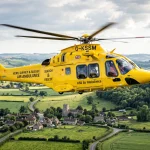
Did you know that helicopter rotor blades can reach impressive heights, often towering over 14 feet? Understanding rotor height is crucial not just for aviation enthusiasts but for anyone who interacts with helicopters, from aspiring pilots to onlookers at airshows. The height of these blades impacts everything from safety clearances to flight dynamics, making it an essential topic in the world of aviation. As we explore the nuances of rotor height measurements, you’ll gain insights into why these dimensions matter-whether you’re a casual observer or someone considering a career in aviation. Join us as we delve into the fascinating world of helicopter blades and discover what makes them such remarkable components of flight!
How Helicopter Rotors Are Measured
To accurately measure helicopter rotor heights, several factors are taken into account that relate to both safety and performance. The height of a helicopter’s main rotor blades can be determined using various methods, including standard measuring techniques and advanced technologies.
One common method involves measuring from the ground to the tip of the rotor blades while the helicopter is in a static position on a level surface. This measurement is crucial because it helps ensure that there is adequate clearance during operations, particularly in confined areas. For example, helicopters like the R-44 and R-66, depending on their configurations, can have different rotor heights that may affect their performance in diverse environments and conditions.
In addition to traditional measuring techniques, innovative technologies are also emerging. Laser-based systems and drone-assisted measurements provide high precision and efficiency, reducing human error while taking rotor height measurements. These advanced systems can quickly assess rotor heights and help in the planning of landings and takeoffs, especially in challenging terrains.
Regardless of the method used, it’s imperative for operators to regularly check rotor heights to comply with safety regulations and to ensure the helicopter’s performance meets required standards. Understanding rotor height is critical not only for safe operation but also for optimizing the helicopter’s maneuverability and stability in flight.
The Importance of Rotor Height in Aviation
The rotor height of a helicopter is not just a matter of specification; it’s a critical factor in ensuring safe operations and optimizing performance. For instance, typical rotor blades can reach heights between 8 to 14 feet, depending on the model. This variation significantly impacts various aspects of flight, including clearance with buildings or trees during landing and takeoff, as well as the helicopter’s ability to maneuver in confined spaces.
Understanding rotor height is vital for several practical reasons. First, it determines the minimum clearance required for safe operations. Operators must be aware of their helicopter’s rotor height to prevent accidents when flying in close proximity to obstacles. Moreover, rotor height plays a crucial role in aerodynamics. Higher blades can enhance lift but may also introduce additional drag. Moreover, rotor height is fundamental for stability; improperly configured rotors can lead to situations where the helicopter becomes unstable during flight or difficulties arise during hovering.
In addition to these technical considerations, rotor height awareness is essential for compliance with aviation regulations. Different jurisdictions may have specific regulations regarding obstacle clearance, which are influenced by rotor height. Helicopter operators need to adapt their flight plans accordingly to avoid violations and ensure safety.
In summary, rotor height is a pivotal aspect of helicopter operation that affects safety, performance, and regulatory compliance. Understanding its implications empowers pilots and operators to make informed decisions, ensuring both efficient flights and adherence to safety protocols.
Understanding Rotor Dynamics and Performance

The intricacies of rotor dynamics are vital to understanding how helicopters function effectively in diverse environments. One of the core principles at play is the interaction between rotor height and aerodynamic performance. As the rotor blades rotate, they generate lift while simultaneously facing drag. This relationship is influenced by several factors, including the shape of the blades, their angle of attack, and the height at which they operate.
Higher rotor blades generally correlate with increased lift. This is because blades positioned further from the ground can access more undisturbed air, which enhances their ability to generate lift. However, as blade height increases, the associated drag can also rise, impacting fuel efficiency and overall performance. For instance, a data comparison reveals that while larger rotor systems can provide more lift, they may also require more powerful engines and higher fuel consumption to maintain optimal performance.
The Role of Rotor Design
Another critical aspect of rotor dynamics lies in the design of the rotor blades themselves. Variability in blade shape, pitch, and length can lead to significant differences in performance. Modern rotor systems might incorporate innovative technologies like variable pitch control, enabling pilots to adjust the angle of attack dynamically. This adaptability helps optimize performance based on current flight conditions and objectives-whether that be cruising, hovering, or rapid ascent.
Additionally, real-world applications illustrate these principles. For example, when assessing the operational capabilities of the Bell 206 versus the Eurocopter EC120, one can observe how rotor height and configuration translate into specific mission outcomes, such as search and rescue operations or EMS missions. Pilots trained to leverage these dynamics effectively can enhance safety and efficiency in their flights, ensuring timely responses in urgent scenarios.
Stability and Control
Rotor dynamics also play a pivotal role in a helicopter’s stability. Proper management of rotor height can prevent undesirable occurrences, such as vortex ring state, where the helicopter descends through its own downwash, leading to a loss of control. Understanding and measuring rotor height allows pilots to maintain specific climbing angles and avoids potential crises during hover or landing scenarios. Therefore, continuous education about rotor dynamics, combined with practical experience, is crucial for aspiring pilots and seasoned professionals alike.
In summary, grasping the dynamics behind helicopter rotors offers critical insights that influence operational efficiency, safety, and innovative designs in aviation. By understanding these concepts, enthusiasts and experts alike can appreciate the engineering marvel of helicopters and their tremendous capabilities.
Common Helicopter Models and Their Blade Heights

When considering the world of helicopters, understanding the height of the rotor blades is essential, both for practical flying and for technical specifications. The heights of rotor blades can vary significantly among different models, influencing their capabilities, efficiency, and suitability for various missions. For instance, the renowned *Bell 206*, often used in law enforcement and air medical services, features a rotor diameter of approximately 40 feet, which translates to a rotor height of about 20 feet from the ground in a typical hover. This ample height allows for effective lift while maintaining stability during operations.
Another prevalent model, the *Eurocopter AS350 Ecureuil*, boasts a slightly smaller rotor diameter of around 36 feet. This means that when hovering, the rotor height reaches up to 18 feet. Its design benefits from this height by enabling rapid ascents and agile maneuvering, crucial for tasks such as search and rescue missions or aerial photography. Meanwhile, the heavy-lift *Sikorsky CH-53 Sea Stallion* exemplifies larger rotor systems, with a rotor diameter exceeding 79 feet, translating to a blade height around 39.5 feet. This immense size supports its primary role in transporting heavy payloads, demonstrating how rotor height directly affects operational capacity.
To provide a clearer understanding, the following table outlines several common helicopter models and their respective rotor blade heights:
| Helicopter Model | Rotor Diameter | Approximate Rotor Height (Hover) |
|---|---|---|
| Bell 206 | 40 ft | 20 ft |
| Eurocopter AS350 Ecureuil | 36 ft | 18 ft |
| Sikorsky CH-53 Sea Stallion | 79 ft | 39.5 ft |
Understanding these variations in rotor height is pivotal for pilots and enthusiasts alike. It impacts how helicopters interact with their environments, affects performance in various mission profiles, and is crucial for ensuring safety during operations-especially in crowded or challenging conditions where rotor clearance from obstacles is a significant concern. By appreciating the diverse designs and capabilities of helicopter rotors, one not only enhances their knowledge but also their respect for the engineering feats that enable safe and efficient flight.
Regulations Governing Rotor Height in Aviation
In the world of aviation, regulations governing rotor heights are crucial for ensuring safety during helicopter operations. The rotor height significantly affects not only the aircraft’s performance but also its interaction with the environment and compliance with safety standards. Helicopter manufacturers and aviation authorities set specific guidelines that dictate minimum rotor clearance requirements, which are designed to enhance safety during takeoff, landing, and in-flight operations.
Regulatory bodies such as the Federal Aviation Administration (FAA) in the United States and the European Union Aviation Safety Agency (EASA) enforce these standards. These regulations stipulate that helicopters must maintain a certain distance from obstacles when in flight, and this is heavily influenced by rotor blade height. For example, helicopters used in urban areas or during search and rescue missions are often required to adhere to stricter clearance guidelines to prevent accidents with buildings or terrain. Operators must also consider the weight and load that can affect rotor height during takeoff and landing, as heavier loads can lead to lower blade clearances.
Flight manuals provided by manufacturers typically detail the rotor height measurements along with standard operating procedures. For instance, a helicopter’s operational ceiling and effective rotor height may vary during different flight maneuvers, requiring pilots to adjust their flying techniques based on these regulations. Pilots are trained to understand these parameters to ensure they operate within safe limits, thereby minimizing risks associated with rotor interactions with the environment.
Furthermore, these regulations are periodically reviewed and updated based on advancements in helicopter technology and historical incident data. This ongoing process seeks to mitigate risks associated with rotor height, especially in areas with high air traffic density or complex landscape features. Keeping up with regulatory changes is essential for pilots and aviation professionals, as compliance not only enhances safety but also ensures the continued ability to operate in various airspace environments.
Impact of Rotor Height on Flight Stability

In helicopter flight, rotor height plays a crucial role in maintaining stability. The distance between the rotor blades and the ground, or any potential obstacles, directly affects the performance of the helicopter. A rotor system that is too low may encounter turbulence from ground effect, which can lead to unpredictable behavior during takeoff and landing. This phenomenon can be particularly pronounced in urban environments where tall buildings create complex airflow patterns, making it essential for pilots to be vigilant about rotor height, especially during critical flight phases.
Flight Dynamics and Control
The height of the rotor blades influences the helicopter’s center of gravity and overall aerodynamics. A higher rotor position generally allows for smoother airflow over the blades, enhancing lift and control. Conversely, when rotor blades are closer to the ground, particularly in hover mode, they can experience increased drag and diminished efficiency. This could lead to a decrease in altitude stability, requiring more precise adjustments from the pilot to maintain control. For example, helicopter models like the Bell 206 have been noted for their stable flight characteristics, partly due to their optimal rotor height configurations.
Safety Considerations
Pilots are trained to anticipate how rotor height impacts flight stability, especially when maneuvering in confined spaces or during operations near obstacles. Height regulations set by aviation authorities aim to minimize risks associated with rotor interactions with the environment. During search and rescue missions or medical evacuations, maintaining appropriate rotor height becomes paramount not only for the safety of the crew and passengers but also for the successful execution of the mission.
Moreover, understanding wind effects is crucial. Gusty winds can create sudden changes in lift, and a helicopter flying at a lower rotor height could be more susceptible to these variances. Therefore, pilots must continuously monitor both their altitude and rotor height, adjusting for environmental conditions to ensure safe flight operations.
In conclusion, effectively managing rotor height is essential to maintaining flight stability and ensuring safe helicopter operations. Pilots must remain aware of their rotor dynamics and adjust their flight techniques according to environmental challenges, thereby mitigating risks associated with unexpected rotor interactions.
Innovative Technologies for Measuring Rotor Heights
Modern advancements in aviation technology have greatly enhanced how rotor heights are measured, significantly improving the safety and efficiency of helicopter operations. Techniques that were once manual and susceptible to human error are now being replaced or augmented by innovative systems that provide precise, real-time data to pilots and ground crews alike. One of the standout developments in this area is the integration of lidar (Light Detection and Ranging) systems, which can accurately measure the distance between a helicopter’s rotor blades and ground level, even in challenging environments.
Lidar technology works by sending laser pulses to the ground and measuring the time it takes for the light to return. As a result, it creates a detailed, three-dimensional map of the terrain, allowing pilots to assess the topography and altitude variations during flight. This is especially valuable in rescue missions or operations in urban settings where obstacles are prevalent. By leveraging such precise data, pilots can make informed decisions about their rotor height and maintain optimal flight paths, reducing the risk of accidents related to rotor interactions with the environment.
Another innovative approach involves the use of inertial measurement units (IMUs), which combine accelerometers and gyroscopes to provide real-time feedback on a helicopter’s position and orientation. These devices can calculate rotor height by analyzing the helicopter’s altitudinal changes and movements. When integrated with advanced avionics systems, IMUs not only aid in measuring rotor height but also enhance overall flight dynamics, contributing to smoother operations and improved control.
Furthermore, pilot training programs are increasingly incorporating augmented reality (AR) applications to simulate rotor height measurements and scenarios. These interactive systems allow aspiring pilots to visualize rotor height effects on flight performance and engage with dynamic learning tools. By demystifying rotor dynamics and providing hands-on experience, such technologies help cultivate a generation of pilots who are well-equipped to navigate the complexities of rotorcraft operations safely and effectively.
Embracing these cutting-edge technologies not only enhances rotor height measurement accuracy but also instills a culture of safety and precision in helicopter aviation. As the industry continues to evolve, the integration of such innovative tools will undoubtedly play a crucial role in improving flight safety and operational efficiency for all helicopter aviators.
Rotor Height: A Critical Factor in Safety
The height of helicopter rotors isn’t just a technical specification; it plays a vital role in ensuring flight safety. When rotor blades are configured correctly, they help maintain a safe distance from the ground and obstacles, directly affecting a helicopter’s ability to operate effectively in various environments. Rotor height considerations are essential for preventing accidents, especially during takeoff, landing, and low-altitude maneuvers.
One major aspect of rotor height is its influence on the helicopter’s ground effect. This phenomenon occurs when a helicopter’s rotor interacts with the air near the ground, providing additional lift and enhancing stability. However, if the rotor height is too low, it can lead to unpredictable behavior, increasing the risk of collisions with structures or the terrain. Pilots often need to gauge rotor clearance accurately, perhaps using advanced technologies like lidar systems or inertial measurement units (IMUs), to monitor and adjust their altitude dynamically.
Moreover, rotor height becomes critical in adverse weather conditions. High winds can affect rotor performance, causing vibrations or leading to unexpected changes in flight attitude. In these scenarios, pilots must possess a keen understanding of their helicopter’s rotor dynamics to make real-time decisions that prioritize safety. Ensuring rotor height remains appropriate in a variety of weather conditions reflects the significance of continuous training and preparedness in aviation careers.
In essence, rotor height is not merely a parameter to be measured; it is a fundamental factor influencing safety protocols in rotorcraft operations. Pilots and aviation professionals must cultivate a deep understanding of how rotor height impacts flight dynamics to mitigate risks, ultimately fostering a culture of safety within the aviation community.
Challenges in Measuring Rotor Heights Accurately
Accurately measuring helicopter rotor heights is more complex than one might think. With safety so paramount in aviation, even slight inaccuracies can have serious implications. One of the primary challenges in this measurement process is ensuring uniformity in the conditions under which measurements are taken. For instance, rotor blades may have different angles when at rest versus when in operation, and these discrepancies can lead to variations in apparent rotor height. This necessitates the use of sophisticated tools and techniques that can adapt to dynamic conditions.
Another major hurdle is environmental factors, especially in field situations. Wind, temperature, and humidity can all affect rotor performance and positioning. For example, in windy conditions, blades may flex or bend, making it difficult to pinpoint their actual height accurately. Moreover, measuring devices must be robust enough to withstand these environmental challenges while still delivering precise readouts. This often requires a combination of advanced measurement technologies, such as lasers or highly sensitive sensors, to achieve consistent results.
Furthermore, the intrinsic design of helicopters plays a critical role. With various rotor designs and configurations across models, the methods for measuring heights can differ significantly. For instance, some helicopters employ articulated rotor systems that allow for a degree of independence in blade movement, which can complicate measurements. Maintenance crews and pilots must be trained to understand these differences and apply the appropriate measurement techniques tailored to the specific helicopter model.
To address these issues, aviation professionals often recommend implementing a regular training schedule that emphasizes not just the importance of accurate rotor height measurements, but also the practical skills needed to take them under varying conditions. Embracing technology, collaborating closely during pre-flight checks, and understanding the unique characteristics of each helicopter type can greatly enhance accuracy and safety, ultimately contributing to safer flight operations.
Effects of Wind and Weather on Rotor Height Measurements
The interplay of wind and weather conditions significantly affects the accuracy of rotor height measurements for helicopters. When measuring rotor heights, it’s essential to consider how environmental factors can create discrepancies between the perceived and actual heights. For example, in gusty winds, rotor blades can flex and bend, altering their position and making it difficult to ascertain their true height from the ground. This flexing not only affects measurements but also impacts rotor dynamics during flight, underscoring the importance of precise data during all conditions.
Impact of Weather Conditions
Different weather conditions bring specific challenges to rotor measurement. Rain, humidity, and temperature fluctuations can affect both the physical integrity of the rotor blades and the measuring instruments used. For example:
- High Winds: Wind can impose significant loads on rotor blades, causing them to shift or deflect from their nominal position.
- Humidity: Increased moisture can lead to corrosion or ice formation on blades, which might alter their weight and dynamics.
- Temperature Variations: Hot or cold temperatures can expand or contract materials, affecting blade stiffness and, consequently, their measurement.
Consequently, it is crucial for pilots and maintenance crews to perform rotor height measurements under controlled conditions or to account for environmental impacts when assessing rotor heights. Utilizing advanced technologies, such as laser rangefinders or 3D scanning tools, can provide more precise measurements despite these challenges.
Best Practices for Accurate Measurements
To mitigate the effects of wind and weather, here are a few best practices for obtaining accurate rotor height measurements:
- Choose Optimal Conditions: Whenever possible, conduct rotor height measurements on calm days with minimal wind.
- Use Advanced Tools: Invest in reliable measurement tools that can compensate for flexing and motion.
- Regular Training: Ensure that personnel are trained to recognize and adapt measurement techniques based on current weather conditions.
By implementing these strategies, aviation professionals can enhance the accuracy of rotor height measurements, leading to safer flight operations and contributing to the overall efficiency of helicopter maintenance and performance assessment.
Comparing Rotor Heights Across Helicopter Types
When examining rotor heights, it’s fascinating to note how they vary significantly across different helicopter types, shaped by design and operational requirements. For instance, single main rotor helicopters typically feature rotor blades that can range from about 30 feet to over 50 feet. The renowned Bell 206 has a rotor height of approximately 35 feet, while larger models like the Sikorsky UH-60 Black Hawk boast rotor heights nearing 53 feet. This variation serves specific functional purposes-from stability in hover to performance in forward flight.
In contrast, tandem rotor configurations, such as the CH-47 Chinook, present a unique case. With two sets of rotor blades, each rotor can be smaller, yet the overall rotor height can be substantial due to the dual-rotor system design. A Chinook’s rotor height is roughly 54 feet when both rotors are in operation. This allows for increased lift capacity and efficiency, especially in heavy-lift missions.
Another aspect to consider is the importance of rotor height in understanding a helicopter’s operational capabilities. High rotor blades enable better lift performance, particularly in high-altITUDE conditions, where air density is lower. For example, helicopters designed for mountainous terrain often have longer blades to optimize performance. Conversely, military helicopters might prioritize shorter blades for enhanced maneuverability and reduced vulnerability during operations.
Finally, rotor height also impacts maintenance procedures and operational practices. Helicopters with taller blades require careful handling and specific hangar accommodations to prevent damage. This logistical consideration is crucial for flight safety and operational readiness. Thus, understanding the diverse rotor heights across various helicopter types not only highlights their unique designs but also underscores the careful engineering considerations that make helicopters such effective tools in aviation.
Practical Tips for Assessing Rotor Height in the Field
To effectively assess rotor height in the field, it’s crucial to prioritize safety and precision. Understanding how to measure rotor height can not only enhance operational safety but also ensure compliance with surrounding obstacles and environmental conditions. Here are practical tips for accurately assessing rotor height:
One reliable method for measuring rotor height involves using a measuring tape or laser distance meter. Begin by ensuring the helicopter is on level ground and secured. Measure from the base of the helicopter, typically at the landing gear, straight up to the tip of the rotor blade. This measurement should be taken at the highest point of the rotor’s arc, as rotor blades often flex during operation. Consider conducting multiple measurements at different rotor positions, particularly if you’re assessing an aircraft with flexible blades like those on some turbine helicopters, to capture potential variations.
Environmental factors can also impact rotor height assessments. Wind conditions may cause rotor blades to sway, making it challenging to get an accurate measurement. To mitigate this, try measuring on a calm day or during stable periods when the helicopter is not in operation. Additionally, be aware of the effects of altitude on rotor performance. Higher altitudes often necessitate longer blades to compensate for thinner air, so understanding the operational context of your helicopter can provide insight into expected rotor heights.
When assessing rotor height, maintaining safety is paramount. Always ensure there is a safe distance from the rotor blades when measuring and use proper personal protective equipment. It’s advisable to position yourself at a safe angle and avoid standing directly beneath the blades, which may cause serious injury if the helicopter unexpectedly becomes operational. Furthermore, employing a team approach can enhance safety; have a second person watching for hazards while you take your measurements.
Lastly, consider documenting your measurements in a detailed log. This log should include the type of helicopter, the date and time of measurement, environmental conditions, and any anomalies observed during the process. This record could prove beneficial for ongoing maintenance and when addressing operational regulations specific to rotor height. By following these strategies, individuals can confidently assess rotor heights, ensuring operational readiness and compliance while promoting safety in the field.
Frequently Asked Questions
Q: What affects the height of helicopter blades?
A: The height of helicopter blades is influenced by several factors including design specifications, aerodynamic performance, and regulatory requirements. Different helicopter models have unique blade configurations to optimize flight stability and efficiency, which can affect overall rotor height.
Q: How are helicopter rotor heights tested?
A: Helicopter rotor heights are typically tested using ground clearance measurements during static tests and in-flight assessments. These tests ensure that the rotor blades maintain appropriate distances from the ground to avoid obstructions and to meet safety regulations.
Q: What are the maximum rotor heights for commercial helicopters?
A: Maximum rotor heights for commercial helicopters vary by model. Generally, most commercial helicopters have rotor heights ranging from 14 to 25 feet. Adhering to these specifications is crucial for compliance with airspace regulations and safe operations.
Q: Why is rotor height important for helicopter safety?
A: Rotor height is critical for safety as it affects the helicopter’s clearance from obstacles and its performance during takeoff and landing. Proper measurement helps in maintaining stability and avoiding potential hazards in varied flying conditions.
Q: How does rotor height impact helicopter performance?
A: Rotor height directly affects lift generation and aerodynamic efficiency. A higher rotor can improve performance in specific flight conditions, while an improper height can lead to increased drag and decreased stability, impacting overall flight safety.
Q: When should rotor height measurements be taken?
A: Rotor height measurements should be taken before pre-flight checks, during maintenance inspections, and after any modifications to the helicopter. This ensures compliance with safety standards and operational readiness.
Q: Can rotor height vary during flight?
A: Yes, rotor height can vary during flight due to dynamic changes in load distribution and air pressure. Pilots must monitor these variations to maintain optimal flight performance and safety.
Q: What methods are used for precise rotor height measurements?
A: Precise rotor height measurements utilize laser distance measuring devices and ultrasonic sensors. These technologies provide accurate data that helps ensure rotor height is maintained within safe operational limits.
Future Outlook
Understanding the height of helicopter blades is crucial for both safety and performance. Now that you know how rotor height measurements work, you might be curious about their impact on flight dynamics and design choices. Don’t miss our in-depth articles on the engineering behind rotorcraft (advanced rotor blade design) and factors affecting helicopter efficiency.
Ready to delve deeper? Subscribe to our newsletter for the latest insights on helicopter technology and aviation trends. If you have any questions or thoughts, drop them in the comments below-your feedback is invaluable to our community! Explore our site further to unlock a wealth of knowledge on everything from helicopter safety to piloting careers. Keep your passion for aviation soaring!
Get our latest guides, news, and insights highlighted in your Google Search & AI Overviews.